Farm Financing for Equipment Purchases and Technology Upgrades
August 27, 2026 | Last Updated on: August 27, 2026

By Anjali Patel
Looking for Business Financing?
Apply now for flexible business financing. Biz2Credit offers term loans, revenue-based financing, lines of credit, and commercial real estate loans to qualified businesses.
Set up a Biz2Credit account and apply for business financing.
You need efficient machinery and reliable technology systems to run farm operations in the United States. But investing in modern farm equipment, irrigation systems, and precision tools requires significant capital. This is why many farm businesses are not able to absorb these costs upfront without affecting working capital and daily operations.
Farm financing options solve this challenge for you. These loans allow you to spread costs across structured repayment plans. You can use funds from these loans to upgrade equipment and adopt new technology without disrupting cash flow.
In this article, we’ll see how farm financing works for equipment purchases and technology upgrades in modern agriculture. We’ll also see what types of farm equipment you can upgrade through farm financing.
Understanding Farm Financing for Equipment and Tech Upgrades
Farm financing offers financial support to purchase agricultural equipment and technology. Agribusiness owners can use these loans to acquire essential assets without paying the full cost upfront. Instead, these loans allow you to pay for the equipment in installments.
This allows farm owners to convert large capital expenses into manageable monthly or seasonal payments. In short, these farm operating loans protect working capital, which is essential for ongoing expenses such as seeds, labor, fuel, and maintenance.
Main Sources of Farm Financing:
Government-backed loans through the U.S. Department of Agriculture (USDA).
Farm Service Agency (FSA) loans, designed for rural and agricultural support.
Private financial services and commercial lenders who specialize in agribusiness lending.
How Farm Financing Works?
You can apply for agriculture loans, farm loans, or lines of credit depending on your business needs.
The lender then evaluates your repayment ability, credit history, and farm business performance.
Once approved, loan funds are disbursed to you for specific agricultural use. This may include equipment purchases or technology upgrades.
You can make repayment through structured loan terms. These terms may include fixed-rate or variable interest rates, depending on your risk profile and the lender.
Why This Structure Matters for Farm Businesses?
This financing structure is important for agribusiness owners because farm income is seasonal. Their revenue does not remain stable throughout the year, while expenses often remain constant.
Farm financing and farm loans for new farmers solve all these hurdles by aligning repayment schedules with farm income cycles. As a result, farm businesses can invest in growth without creating liquidity pressure.
Farm Equipment That Can Be Financed
Tractors and field machinery: Tractors support plowing, planting, and harvesting. With farm financing options, you can upgrade to more efficient models that reduce fuel use and increase output.
Harvesting equipment: You can purchase modern harvesters to improve speed and reduce crop loss during collection. This will improve your profitability during peak harvest seasons.
Irrigation systems: With modern irrigation equipment, you can improve water distribution and reduce waste for your farm operations. Also, it supports better crop health and resource control.
Storage systems: You can invest in silos, cold storage units, and grain handling systems using farm loans. This helps reduce post-harvest losses and improve supply management.
Transport and logistics vehicles: You can use loan funds to purchase logistics vehicles that support the movement of goods from farm to market. This also improves operational efficiency.
Livestock equipment: Farm loans can be used to invest in milking systems, feeding systems, and handling equipment. This helps you improve productivity in dairy and poultry farms.
Additional Information: Some lenders also offer no credit check farm tractor financing options for new or small farm operators. These financing solutions offer access to funds where traditional credit history may be limited.
Farm Technology to Upgrade
Precision agriculture systems: You can invest in GPS-based systems that allow accurate field mapping and controlled planting patterns. This will improve your yield consistency and reduce overlap in field operations.
Soil and crop monitoring tools: You can invest in soil sensors through farm loans that measure moisture, nutrients, and temperature in real time. This will help you make accurate decisions about irrigation and fertilization.
Drone-based monitoring: Drones provide aerial crop inspection and help you identify pest or disease issues early. This will help you reduce crop damage and improve response time.
Smart irrigation systems: You can use farm financing to purchase automated irrigation systems that control water usage based on soil data and weather conditions. This will help you reduce water waste and improve efficiency.
Farm management software: You can invest in digital platforms to track production, expenses, and inventory using loan funds. This will, in turn, help you improve financial planning and operational control.
Why Equipment and Tech Upgrades Matter in Modern Agriculture?
Improved Farm Productivity
Lower Cost Per Operation
Efficient Use of Inputs
Faster Decision Making
Long-Term Financial Stability
Modern machinery helps you complete your farming tasks faster and with higher accuracy. This also improves your crop cycles and reduces delays during planting and harvest seasons. As a result, your farm can achieve higher output per acre.
You can purchase advanced equipment that will help you reduce fuel consumption, labor dependency, and maintenance inefficiencies. Over time, this will lower the cost of production and improve profit margins across farming cycles.
New tech upgrades like soil sensors and smart irrigation systems ensure precise use of water, fertilizer, and nutrients. This helps you reduce waste over time and improve input-to-output efficiency.
Adopting new technology also helps you track real-time data to respond quickly to weather changes, soil conditions, and crop health issues. This helps you improve timing and reduce losses during critical farming stages.
Equipment purchases and tech upgrades require upfront investment and structured financing. You can finance them through farm ownership loans or farm operating loans that help you spread costs over time. As a result, you can maintain working capital for your farm while upgrading systems.
Types of Farm Financing Options
Equipment Loans
Term Loans
Farm Operating Loans
SBA Loans
Farm Ownership Loans
FSA Loan Programs
Farm operating loans for seasonal expenses.
Farm ownership loans for purchasing or expanding farmland.
Microloans for smaller financing needs.
Loan guarantees that encourage private lenders to finance eligible farm businesses.
You can use equipment loans to purchase essential machines, tools, and technology. You can invest in tractors, combines, planters, irrigation systems, livestock equipment, and other essential machinery. Here, the equipment itself serves as collateral that reduces risk for the lenders. Equipment financing works well for equipment that provides long-term value and remains in use for many years.
Term loans offer a lump sum loan amount upfront. These loans can be repaid in fixed monthly schedules. You can use this farm financing option for equipment purchases, technology upgrades, facility improvements, and farm expansion projects. Many lenders offer a fixed-rate option for term loans. This keeps your repayments predictable throughout the loan period and helps you plan cash flow more effectively.
Farm operating loans support the day-to-day financial needs of a farming operation. You can use these loans to cover recurring expenses that keep your business running throughout the production season. Also, these loan funds can be used to cover seeds and fertilizers, fuel and maintenance costs, labor costs, livestock feed, and other operating expenses. Since farm income is seasonal, this farm financing option provides essential working capital until crops or livestock generate revenue.
SBA loans are backed by the U.S. Small Business Administration and are approved through different lenders. You can apply for SBA 7(a) loan programs for equipment purchases, business expansion, technology investments, working capital, and commercial buildings used for eligible business activities. The government guarantee structure allows lenders to offer SBA loans at more competitive interest rates and longer repayment terms. However, they do come with strict eligibility requirements and extensive paperwork.
Farm ownership loans can be used to purchase farmland, expand existing operations, or improve agricultural property. These loans support long-term investments that strengthen the value and growth potential of a farm business.
These loans are administered by the Farm Service Agency (FSA) and offered by the U.S. Department of Agriculture (USDA). So, beginning farmers who cannot obtain traditional financing may qualify for beginning farmer and rancher loans under this program.
The Farm Service Agency offers several financing programs to support different agricultural needs. You can apply for loans like:
If you have a limited credit history, you can benefit from these farm financing programs. This is so because these loans play an important role in helping new agricultural businesses establish long-term financial stability.
The Bottom Line
Farm financing plays an important role in modern agricultural practices. You can use these loan funds to purchase farm equipment, invest in technology upgrades, and expand land holdings without disrupting working capital.
The U.S. Department of Agriculture (USDA) and the Farm Service Agency (FSA) provide different types of structured agriculture loans for different farm needs. You can apply for these loans to strengthen financial stability, improve productivity, and support long-term agribusiness growth.
So, if you are planning to purchase equipment or upgrade technology, evaluate multiple financing options carefully. You can choose the right structure that helps you improve farm efficiency, stabilize cash flow, and support sustainable farm business expansion.
Farm Equipment Loans Articles

First Time Farm Loan Guide: How New Farmers Can Finance Land, Equipment, and Startup Costs

Farm Loans for New Farmers: Common Mistakes That Delay Approval
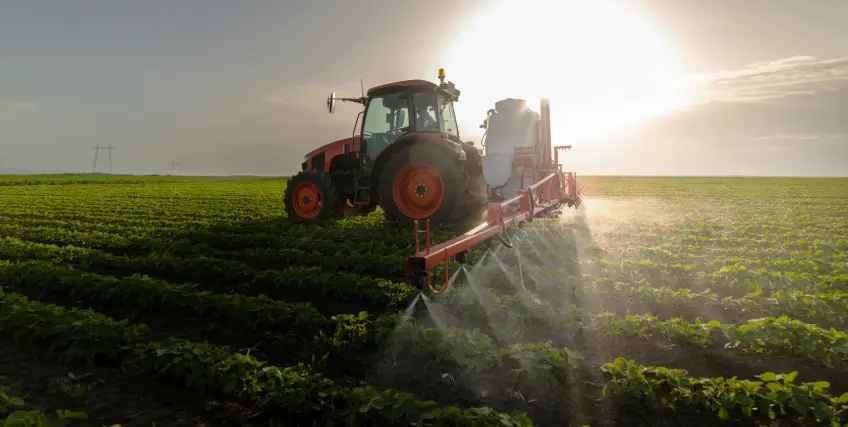
Farm Tractor Financing and Agricultural Innovation: Why Equipment Is Driving Farm Profitability
FAQs About Farm Financing Options
1. What is farm financing?
Farm financing refers to funding solutions that help agricultural businesses purchase farm equipment, upgrade technology, buy farmland, or cover operating expenses. These agriculture loans allow farmers to spread costs over manageable loan terms instead of paying the full amount upfront.
2. What types of farm equipment can be financed?
Most lenders finance tractors, harvesters, irrigation systems, planters, livestock equipment, storage facilities, and other essential farm equipment. The type of equipment eligible for financing depends on the lender’s requirements and the intended business use.
3. Can new farmers qualify for farm loans?
Yes. Several programs support farm loans for new farmers, including beginning farmer and rancher loans offered through the Farm Service Agency. Some lenders also provide microloans and government-backed financing for eligible applicants who have limited farming experience or a shorter credit history.
4. How do lenders evaluate farm financing applications?
5. What is the difference between farm operating loans and farm ownership loans?
Frequent searches leading to this page
Term Loans are made by Itria Ventures LLC or Cross River Bank, Member FDIC. This is not a deposit product. California residents: Itria Ventures LLC is licensed by the Department of Financial Protection and Innovation. Loans are made or arranged pursuant to California Financing Law License # 60DBO-35839