AG Equipment Loans vs. Dealer Financing: Which Option is Better for Farmers
June 18, 2026 | Last Updated on: June 18, 2026

By Anjali Patel
Looking for Business Financing?
Apply now for flexible business financing. Biz2Credit offers term loans, revenue-based financing, lines of credit, and commercial real estate loans to qualified businesses.
Set up a Biz2Credit account and apply for business financing.
Farm equipment purchases require a large amount of capital investment. This is why farmers and ranchers are now relying more on financing options instead of upfront purchases. Two of the most common funding options in this niche include agriculture equipment loans and dealer financing.
Both loan options support equipment purchases, but differ in interest rates, repayment flexibility, and total borrowing costs. So, before choosing the right financing option for your farm business, you must compare long-term affordability instead of just focusing on promotional monthly payments.
You’ll see in this article how AG equipment financing works, how AG equipment loans differ from dealer financing, and which option may fit different farming operations better.
What Are AG Equipment Loans?
AG equipment loans help farmers purchase necessary equipment through structured repayment plans, instead of paying upfront. These traditional farm equipment loans are provided by banks, credit unions, online lenders, and farm credit providers such as USDA (U.S. Department of Agriculture).
The farm equipment serves as collateral when you seek agricultural machinery financing. Loan structures usually range from 2 to 10 years, depending on the equipment type and loan amount.
You can use AG equipment loans to purchase:
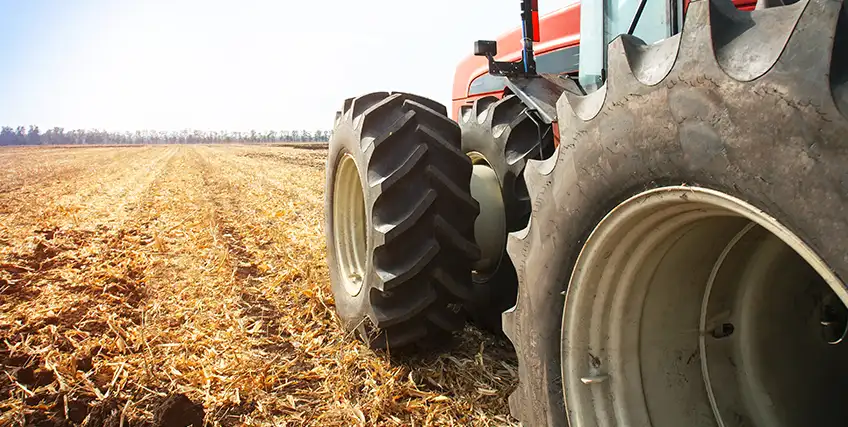
Tractors: Tractors support daily field operations across most farms which require significant capital.
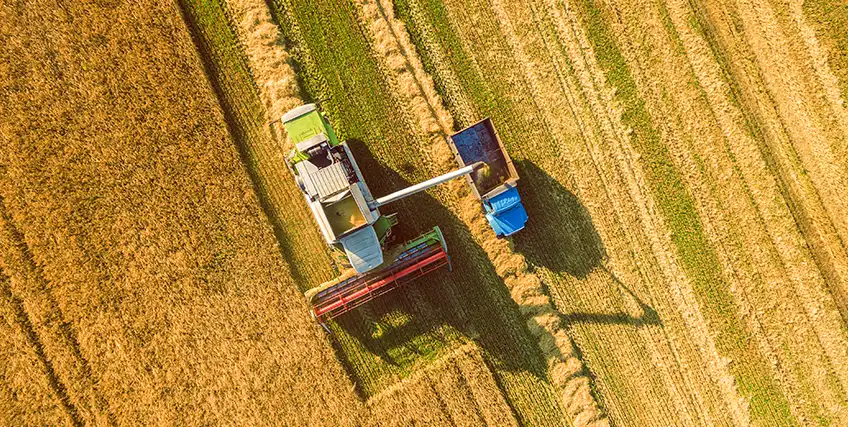
Harvesters and Balers: Funding large harvesting machinery requires higher financing amounts and longer repayment terms.
Sprayers and Loaders: Modern loaders and sprayers improve operational speed and production efficiency.
Irrigation systems: Irrigation equipment helps farms improve water management and crop performance.
Used equipment: You can purchase used equipment through AG direct equipment financing, reducing upfront purchase costs.
New equipment: New equipment may also qualify for competitive rates and lower financing risk.
What Lenders Look For?
Lenders review various factors before approving AG equipment loans. These include:
Annual farm revenue
Seasonal cash flow
Existing debt obligations
Farm credit history
Equipment resale value
Operating history
Down payment amount
You need to have strong financial records to access flexible terms and lower interest rates on equipment loans. Because in many cases, lenders place significant emphasis on repayment stability and operating cash flow. You can also use an AG equipment loan calculator before applying for funding.
Many lenders also offer flexible financing for seasonal revenue cycles, refinancing for existing equipment loans, dedicated loan officer support, online application platforms, and variable or fixed interest rate structures.
What is Dealer Financing?
Dealer financing for equipment comes directly through a dealership or manufacturer financing division. There are many agriculture equipment manufacturers who promote financing programs to support equipment sales. Manufacturers like John Deere, Kubota, and CNH Industrial provide equipment financing programs for various agricultural equipment purchases.
Dealer financing usually focuses on new equipment purchases instead of used equipment. In many cases, dealerships promote financing offers during seasonal inventory periods.
Features of Dealer Financing
Fast application process: Many dealerships provide simplified online application systems with quicker loan approvals.
Promotional interest rates: Dealerships offer temporary promotional financing offers that may reduce short-term borrowing costs.
Lower upfront costs: Certain AG equipment loan options reduce down payment requirements.
Leasing options: Some dealerships also offer equipment leasing options instead of long-term equipment loans.
Manufacturer incentives: Rebates and promotional discounts may support lower upfront costs.
There are programs like AgDirect that offer equipment financing options supporting dealership-based financing structures. But at the same time, dealer financing may limit flexibility. Because certain financing options apply only to specific dealership inventory or promotional periods.
AG Equipment Loans vs. Dealer Financing
| Factor | AG Equipment Loan | Dealer Financing |
|---|---|---|
| Financing Source | Bank, lender, or farm credit provider | Dealership or manufacturer |
| Equipment Selection | Multiple sellers and private party purchases | Dealer inventory only |
| Used Equipment Financing | Easier | Less common |
| Approval Timeline | Moderate | Faster |
| Flexible Terms | Higher | More limited |
| Promotional Rates | Less common | Common |
| Refinancing Options | Available | Limited |
| Best Fit | Long-term farming operations | Fast equipment purchases |
Interest Rates and Total Borrowing Costs
Interest rates directly affect the total repayment costs of equipment. Thus, farmers should evaluate the full borrowing expenses for equipment purchases instead of focusing only on monthly payments.
| Financing Option | Typical Interest Rates | Common Term Ranges |
|---|---|---|
| AG Equipment Loan | 6% to 12% | 2-10 years |
| Dealer Financing | 0% promotional to 9% | 2-7 years |
Additional borrowing costs on AG equipment loans include:
Balloon payments
Dealer processing fee
Deferred interest charges
Insurance requirements
Refinancing costs
AG equipment loans may include fixed rate or variable rate structures. While dealer financing promotes temporary low-rate offers for new equipment purchases. A fixed rate on an AG equipment loan generally provides stable loan payment amounts throughout the repayment period. Whereas, variable rates may reduce initial borrowing costs but can increase in the later phase.
When AG Equipment Loans May Be the Better Choice
Used equipment purchases: Traditional lenders also finance used equipment more easily when compared to dealer financing options.
Private party transactions: Many lenders also support equipment purchases outside dealership inventory.
Seasonal cash flow structure: There are various loan programs that align with repayment schedules with harvest cycles.
Lower monthly payment needs: AG equipment loans offer longer repayment terms that may reduce short-term financial pressure.
Refinancing opportunities: Existing equipment loans may also qualify for refinance programs with better repayment structures.
When Dealer Financing Makes More Sense?
Dealer financing often suits farmers who require fast funding, to purchase new equipment, and are looking for promotional interest rates.
New Equipment Purchases: Dealerships provide promotional financing options for new machinery purchases.
Fast equipment replacement: Faster equipment approvals help farmers avoid delays during harvest or planting periods.
Lower upfront costs: Certain dealership programs reduce down payment requirements.
Promotional financing offers: Temporary low-rate offers may reduce short-term borrowing expenses.
Leasing options: Leasing structures may support farms that upgrade equipment frequently.
At the same time, farmers should review financing terms carefully. Promotional rates may expire quickly, while repayment flexibility may remain limited compared to traditional farm equipment loans. Dealer financing may work best for farms prioritizing speed and short-term affordability.
Hidden Costs Farmers Should Watch For
AG equipment loan agreements often include costs beyond standard interest rates. These costs may include processing fees, origination fee, and other costs. Thus, you should carefully review financing terms before signing the agreement.
Some costs to pay attention to include:
Deferred interest clauses: Certain promotional offers may charge retroactive interest after introductory periods expire.
Prepayment penalties: Some lenders charge fees for early loan repayment.
Maintenance package costs: Bundled service plans may increase monthly financing expenses.
Dealer markups: Financing-related pricing increases may appear inside equipment costs.
Insurance requirements: Additional coverage requirements may increase operational expenses.
Unexpected financing costs can pressure cash flow during slower production periods. As a result, farmers should review repayment structures, financing fees, and long-term affordability carefully.
Which Option Is Easier to Qualify For?
Comparing the two options, AG equipment loans and dealer financing, the approval requirements differ a lot. This is because factors like credit profile, revenue stability, and equipment type, all influence financial eligibility for both options.
If we talk about traditional lenders, they focus more on farm credit history, debt-to-income ratio, cash flow stability, equipment value, and existing liability for approval. Also, there are certain lenders who are registered through the NMLS (national multistate licensing system) and may request additional documentation during the loan application process.
On the flip side, dealer financing offers faster loan approvals. They also offer promotional interest rates but do require a stronger borrower profile for approval. This is because their main focus remains on equipment sales.
In short, dealer financing is comparatively easier to be approved. And, AG equipment loans are better if you need long-term flexibility.
Conclusion
AG equipment loans and dealer financing, both funding options support agricultural equipment purchases. However, they serve different operational and financial priorities. Traditional equipment loans often provide flexible loan terms, refinancing options, and used as well as new equipment purchases. While dealer financing may work better for fast funding approvals, promotional interest rates, and new equipment purchases.
Farmers must compare both the financing options, their repayment flexibility, and the total borrowing cost before selecting a lender or dealership. This is because affordability matters more than temporary promotional offers.
So, you must compare AG equipment loans with dealer financing before choosing one to protect cash flow, preserve working capital, and support long-term growth across your farming operations.
Agribusiness Loans Articles
Best Farm Loans for Equipment and Machinery: How to Finance Tractors, Harvesters, and More
What Determines Ag Loan Rates: 8 Factors That Can Affect Your Farm Financing Cost
How Agriculture Operating Loans Can Help Farmers Expand and Grow Their Businesses
FAQs About AG Equipment Loans
1. Is dealer financing better than AG equipment loans?
Dealer financing works better for fast equipment purchases and promotional interest rates. While AG equipment loans offer stronger repayment flexibility and easier used equipment financing.
2. Can farmers finance used agricultural equipment?
Farmers can finance used agricultural equipment, including tractors, harvesters, loaders, balers, and sprayers. They can use traditional farm equipment loans as they support used equipment purchases more easily than dealer financing options.
3. What credit scores help farmers qualify for AG equipment loans?
Most lenders usually prefer strong credit profiles for competitive rates. However, loan approval also depends on various factors like cash flow, farm revenue, existing debt, and equipment value. Also, equipment itself serves as collateral for AG equipment financing, so even if you have a bad credit score, some lenders might approve it.
4. Do AG equipment loans require a down payment?
Certain lenders do require a down payment to qualify for AG equipment loans. This happens especially for larger loan amounts or higher-risk borrowers. Also, down payment requirement depends on equipment type, borrower profile, and financing terms.
5. Can farmers refinance existing equipment loans?
Farmers can refinance their existing equipment loans as there are many lenders who offer refinancing options. This may help them reduce their monthly loan repayment amounts or improve their current interest rates.
6. Are fixed rate equipment loans better than variable rates?
A fixed rate loan structure offers stable monthly payments throughout the repayment period. While variable rates may reduce initial borrowing costs, but may increase future payment amounts in case the market rises.
7. How long do farm equipment loans usually last?
Traditional AG equipment loans generally range from 2 to 10 years. However, the loan term depends on factors like equipment type, loan amount requested, and lender requirements. Thus, it is important to consult a loan officer before choosing any of the financing option for farm equipment purchases.