From Deficit to Growth: The Best Way to Create a Budget for Small Business Expansion
October 28, 2026 | Last Updated on: October 28, 2026

Looking for Business Financing?
Apply now for flexible business financing. Biz2Credit offers term loans, revenue-based financing, lines of credit, and commercial real estate loans to qualified businesses.
Set up a Biz2Credit account and apply for business financing.
Business expansion might be a milestone for a lot of entrepreneurs but it also has a way of costing money before any new revenue starts coming in. Think about it. Your business now has to carry the expenses of new equipment and an additional lease before that expansion starts making money. So, if you have a growing business, it might just seem like you are running a deficit even when the underlying business is sound. Smart entrepreneurs deal with this kind of situation by building a small business budget around that gap to keep a timing problem from turning into a cash problem. That’s why it is important to learn the best way to create a budget when you have growth financing as a part of your business plan.
The aim of this article is to explain the importance of financial planning for business owners, and the best way to create a budget. It will also discuss how businesses can plan for financing without depleting their day-to-day cash.
Why Does a Small Business Budget Matter for Expansion?
A budget, basically, serves as a compass. It guides companies through complicated aspects of handling revenue, expenses, working capital, and debts, so they can ultimately achieve organisational goals. In other words, it lists information about the current state of your company’s financial situation, as well as estimates for future spending and income. In case of business expansion, a budget helps you to understand whether your company can afford an expansion before any money is spent or borrowed. Here are more ways how it helps:
It shows what the business can afford.
It keeps operations separate from growth.
It sizes repayment before the loan exists.
It makes a funding request easier to follow.
It exposes spending habits worth fixing.
It ties spending to financial goals.
A budget turns an expansion idea into a cost estimate, which tells you how much capital the project needs and how much of it has to be borrowed.
When expansion spending sits in its own budget line, payroll and rent are not quietly drained to cover it.
Your monthly surplus tells you how large a debt repayment the business can carry without strain. That is a far better starting point than the largest amount a lender might approve.
Lenders want to know how borrowed money will be used and repaid. Clear expansion lines answer many of those questions early.
A line-by-line review can surface subscriptions nobody uses and contracts that are overdue for renegotiation.
The best way to create a budget for expansion starts with a target, such as opening a second location by a set date, and works backward to the monthly money management needed to reach it.
What Is the Best Way to Start a Budget Before You Expand?
Start with the numbers the business already has. A template is tempting when looking for the best way to start a budget, but the more useful first step is an honest picture of where money went over the past year. If that picture shows a deficit, find out whether it comes from thin margins or from timing, because each one needs a different fix. The best way to create a budget for growth depends on knowing which problem you have.
- Pull 12 months of statements from every business bank account and checking account.
- Move any personal finance activity out of business financial accounts.
- Review the balance sheet for the business's net worth. The SBA calls it the foundation of managing business finances.
- Split fixed expenses, such as rent and insurance, from variable costs.
Track expenses by month to spot seasonal dips in cash flow.
Put a dollar figure on each expansion goal.
What Is the Best Way to Create a Budget That Includes Growth Financing?
With a clear baseline, creating a budget for the expansion itself is the next step. The best way to create a budget with financing built in is to treat borrowed money as a cost with a repayment schedule attached.
Separate the Operating Budget From the Expansion Budget
Match Each Expansion Cost to the Right Financing
Term loans: suited to broad growth costs, such as a buildout or a larger inventory order, repaid in regular installments over a set term.
Equipment financing: built for machinery and vehicles, with the equipment itself typically serving as collateral.
SBA 7(a) loans: a flexible, government-backed option that the SBA says can cover working capital, equipment, real estate and refinancing.
SBA 504 loans: long-term, fixed-rate financing for major fixed assets such as buildings and long-life equipment. The SBA states that 504 loans cannot be used for working capital or inventory.
Treat Every Loan Payment as a Fixed Expense
Build a Budget Plan for the Ramp-Up Months
- Stage large purchases so the spending plan follows milestones.
- Set aside a contingency line for cost overruns.
- Price client entertainment carefully. The IRS states that entertainment expenses are generally not deductible, while business meals are generally 50% deductible.
The operating budget covers what it costs to keep the doors open today. The expansion budget covers the new project and the financing behind it. Keeping them apart, ideally in separate accounts, shows the moment growth spending starts drawing on payroll money.
The best way to create a budget around borrowed money is to match the financing to the purchase, so repayment terms line up with how long the purchase will earn its keep.
A loan payment belongs in the monthly budget from the first due date, not from the month new revenue is expected to arrive. List it alongside rent and insurance as a fixed expense, then check whether current cash flow can cover it on its own. If it cannot, the plan needs a smaller loan or a later start date. SBA guidance lays out the trade-off plainly: paying cash for an asset leaves less money for operating expenses, while a loan spreads the cost over time but adds interest and fees. This is the point where the best way to create a budget and a realistic plan for paying off debt become the same exercise.
Which Budgeting Methods Support Financial Planning for Business Owners?
No single method fits every company, and the best way to make a budget is often a blend. Three approaches borrowed from personal finance adapt well to business use.
Zero-based budgeting
Envelope budget
Pay Yourself First Budgeting
Zero-based budgeting means giving every dollar of expected income a purpose at the beginning of the month. Habit carries nothing forward; each expense must be re-valued. This is more time-consuming than updating last year’s numbers, but it may be the best way to create a budget that sets aside money for growth.
The envelope budget has its own separate accounts. One is for payroll, one is for taxes, and the expansion fund has its own. That way the expenses of one can't accidentally drain the funds of the other. A budgeting application linked to those accounts shows you each balance at a glance.
In the business world, the idea of paying yourself first means something slightly different. Each deposit is “topped” with reserves and tax set-asides, which are transferred to a savings account before any bills are paid. The business can indeed spend what's left. Together with a monthly review, this can be the most effective way of setting a budget that automatically protects savings goals.
How Does a Small Business Budget Protect Cash Flow During Growth?
There is a distinction between profit and cash, one that expansion will only serve to accentuate. That is why a budget is necessary to safeguard cash flow as it puts in place the parameters for where funds are to be held and the timing of their movement before the fact.
- Keep an emergency fund in a separate savings account, sized to cover several months of fixed expenses.
- Line up loan due dates with the days customers usually pay.
- Keep owner draws steady. Take-home pay should cover the family budget, including groceries and child care, without surprise withdrawals from the business.
- Track expenses weekly, not just at month end.
- Compare the monthly budget against actual spending and adjust before small gaps grow.
The best way to create a budget for growth leaves room for things to go wrong, which raises the next question.
What Is the Best Way to Make a Budget Hold Up Under Pressure?
A budget that only works when everything goes to plan is not finished. Before signing for financing, run it through a few hard questions.
Can loan payments survive a slow quarter? Recalculate cash flow with lower revenue and see whether the payment still clears.
What if equipment costs more than quoted? Check whether the contingency line absorbs the difference.
How long is the runway if new revenue arrives late? Count the months existing cash can cover every payment.
Would a higher interest rate break the plan? For variable-rate debt, test a larger payment.
Passing these checks is what separates the best way to create a budget from a wish list.
Conclusion
Plans for business expansion can get derailed if the cost runs over the revenue projections. The best way to create a budget for growth is to take this gap into consideration. When you do this, the budget will keep aside money for growth spending and treat loan payments as fixed expenses in the first month. Business owners don’t need to see the future to do sound financial planning, they need to put away enough money to do it.
Once the numbers are in place, the best way to create a budget is to use actual financing numbers as opposed to speculative numbers. Digital lending platform allows business owners to review prequalified funding options online. Being prequalified doesn’t mean that you’re approved, just that you might qualify.
Business Loan Articles

Understanding Cash Flow for Business: Meaning, Formula and More

What Is Annual Revenue and How Do You Calculate It?
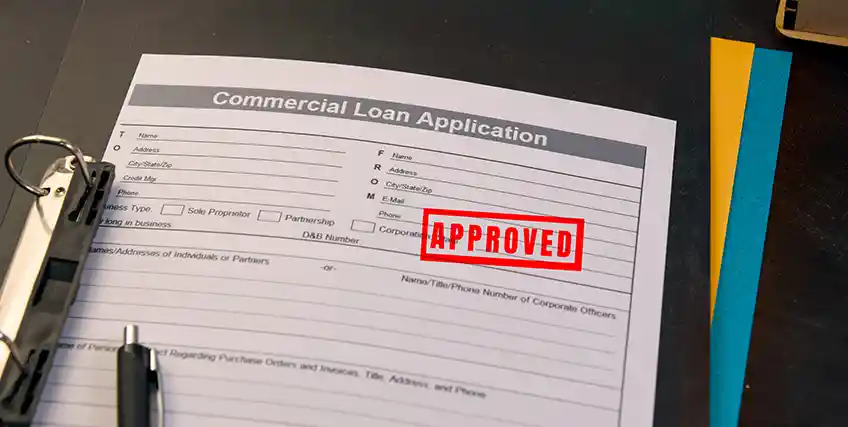
Steps to Prepare for Your First-Time Business Loan Application
FAQs About the Best Way to Create a Budget
1. What is the best way to create a budget for a business that plans to borrow?
For a sound financial planning for business owners, a budget has to be created from at least a year of actual statements. In that budget, the expansion must be added a separate section. It is also important to list every loan payment, a business might have, as a fixed expense. It is wise to check whether a business's cash flow can handle the expenses before approving it.
2. What is the best way to start a budget if a business has never had one?
The best way to create a budget from scratch is to start by gathering all the recent bank statements into one place and then categorizing spending into fixed and variable costs. It is also important to keep personal accounts separate from business ones. Once this baseline is established, business owners can set monthly targets for every category and then measuring what has actually been spent against them.
3. Should loan payments appear in a small business budget as fixed expenses?
Yes. A loan payment must be paid on time, irrespective of whether sales increases or falls. So it belongs with other fixed expenses like rent and insurance. Business who are looking for the best way to create a budget mist treat loan payments as a fixed cost as it will keep debt repayment from putting pressure on daily operations.
4. What tools make the best way to make a budget easier to maintain?
Smart business owners usually link their business accounts with a budgeting app as it reduces manual tracking significantly. But it is worth noting that while tools may help but the best way to create a budget is to consistently review each month.
5. How often should financial planning for business owners include a budget review?
Business owners have to review their budget on a monthly basis and do a formal analysis of it every quarter. The best way to create a budget is to think of it as a living document that adjusts as you see results.