How to Start a Dropshipping Business with Little to No Money?
September 01, 2026 | Last Updated on: September 01, 2026

Looking for Business Financing?
Apply now for flexible business financing. Biz2Credit offers term loans, revenue-based financing, lines of credit, and commercial real estate loans to qualified businesses.
Set up a Biz2Credit account and apply for business financing.
Key Takeaways
Learning how to start a dropshipping business with little to no upfront investment starts with understanding the model: you sell products without ever holding inventory.
- Print on demand and dropshipping look similar, but they use different supplier relationships and different product types.
- You never touch inventory, which is why the model fits an online business without investment, using free storefront trials, no-fee supplier apps, and organic traffic instead of paid ads.
- A profitable niche, a reliable supplier, and a free storefront are the three building blocks of any online business without investment.
- Automation and AI tools now handle tasks that used to require paid staff, which keeps the total cost near zero.
Every new entrepreneur searches the same phrase at some point: “how to start a dropshipping business with no money”. It makes sense. Dropshipping has always been pitched as the low-barrier way to sell products online without buying inventory upfront. However, starting a business without money can be overpromising. You can start a dropshipping business with little upfront cost, but you may ultimately need to invest some money.
You can start dropshipping business operations with a laptop, a free trial, and a few hours a night. But there is a second half of this story that most beginner guides skip: what happens after launch. Once orders start coming in, most founders eventually want to buy inventory in bulk, run paid ads, or hire help. That is when the business stops being a side hustle and starts needing real funding.
This guide covers how to start a dropshipping business using free tools and what it actually takes to qualify for financing.
What Is Dropshipping and How Does It Work?
Dropshipping is a retail method where a store owner sells a product without physically stocking it. Understanding this is the real starting point for anyone “researching how to start dropshipping with $0”. Here is the basic flow:
- A customer places an order on your online store.
- You forward that order and the customer's shipping details to your supplier.
- The supplier packs and ships the product directly to the customer.
- You keep the difference between your selling price and the supplier's cost.
This structure is exactly why so many beginners research “how to start a dropshipping business with no money”. But it is important to note that you need at least a small amount of sum to start a dropshipping business. For example, even if you use a free website builder, you may need to pay for plugins, a custom domain name, marketing tools, or subscription fees for dropshipping apps that connect your store to suppliers.
Print on Demand and Dropshipping: What's the Difference?
Print on demand is often confused with dropshipping because both models skip inventory. Founders sometimes start dropshipping business plans assuming print on demand is just a subcategory, but the two are not the same.
Product type. Dropshipping sells existing, pre-made products from a supplier's catalog. Print on demand creates a custom design that gets printed onto a blank item, such as a shirt or mug, only after a customer orders it.
Supplier relationship. A dropshipping supplier usually stocks thousands of ready-made products. A print on demand partner is closer to a manufacturing partner that produces one item at a time.
Branding control. Print on demand gives founders more control over design and brand identity. Dropshipping relies more on product selection and marketing than original design work.
Startup cost. Both models let you launch dropshipping with small investment, since neither requires bulk purchasing, but print on demand often carries slightly higher per-unit costs because each item is custom-made.
Return rates. Dropshipping tends to see fewer returns tied to design errors, while print on demand occasionally faces returns from sizing or print placement issues since each item is made to order.
Founders trying to decide between the two should think about whether they want to sell what already exists or design something original. Either path supports the same goal that most beginners have in mind when they search how to start a dropshipping business: launching without a large upfront investment.
How to Start Dropshipping for Free: A Beginner’s Guide
This is the practical core of how to start a dropshipping business. Some founders call this dropshipping with low investment, but the mechanics are the same either way. The order matters. Skipping a step here usually costs more later, not less. Follow these seven steps in sequence to see real, sustainable results.
Pick a Profitable Niche
- Choose one product category you understand, such as pet supplies, phone cases, or home organization.
- Check search demand and social interest before committing to a niche.
- Avoid oversaturated categories with dominant, established competitors.
- Confirm the niche has enough product variety to expand later without starting over.
Select a Reliable Supplier With Zero Upfront Fees
- Look for supplier apps that only charge you after a customer has already paid.
- Avoid platforms that require a minimum order quantity.
- Check supplier reviews for shipping speed and product quality complaints.
- Confirm the supplier integrates directly with your storefront platform to automate order forwarding.
Get Samples
- Order a sample of your top two or three product candidates before listing them.
- Check stitching, materials, and packaging quality in person.
- Time the shipping to set realistic delivery expectations for customers.
- Use the sample to shoot your own photos and videos instead of relying only on supplier images.
- Note any packaging issues, since customers judge unboxing experiences almost as much as the product itself.
Set Up Your Store Using Free Platforms
- Use a free trial period on a major ecommerce platform to build and test your store.
- Keep the design simple: clear product pages, visible shipping policies, and an easy checkout.
- Add a basic returns and shipping policy page before your first sale, since this builds early trust.
- Delay upgrading to a paid plan until your free trial window is close to ending.
Product Listing
- Write original product descriptions instead of copying supplier text.
- Use your own sample photos wherever possible.
- Price products to cover supplier cost, payment processing fees, and a real profit margin.
- Start with five to ten products rather than flooding the store on day one.
Drive Traffic Through Organic Channels
- Post short-form video content showing the product in use.
- Answer questions in relevant online communities without being overly promotional.
- Build an email list from day one, even before your first sale.
- Use search-optimized product titles and descriptions so search engines can find your store.
- Track which channel sends the most orders, then double down on that one before spreading effort thin.
Save Hours With Automation and AI
- Automate order forwarding so supplier notifications happen without manual entry.
- Use AI tools to draft product descriptions and social captions faster.
- Schedule social posts in advance instead of logging in multiple times a day.
- Set up automated email responses for common customer questions.
- Review automation reports weekly so errors get caught before they affect customers.
A narrow, well-researched niche keeps every later step cheaper and easier. Research the niche across four areas before committing: product demand, target audience behavior, competitor strength, and room for catalog expansion.
Your supplier relationship determines whether you can genuinely start a dropshipping business with small upfront cost end up prepaying for stock anyway.
Never sell a product you have not personally seen. This step is easy to skip when you are trying to start a dropshipping business, but skipping it usually costs more in refunds later. A single bad review about product quality can undo weeks of organic marketing work.
Every major ecommerce website offers a free trial that may be enough time to figure out how to start a dropshipping business.
You can list products on Shopify, eBay, Etsy, WooCommerce, TikTok Shop, Facebook Marketplace, etc.
Product pages do the selling for you, so treat them as the most important part of your storefront. Anyone still asking how to start a dropshipping business with little money should treat this step as the moment the business actually becomes real.
Paid ads are optional at launch. Organic traffic is not. Your marketing strategy should focus on organic growth like short-form video, SEO-optimized listings, and community engagement. Consistency matters more than any single viral post.
Free and low-cost automation tools now handle work that used to require hired staff, which matters most for solo founders who started a dropshipping business with little money and no team to lean on.
Following these seven steps in order is the most reliable answer to how to start a dropshipping business that beginners are searching for in 2026.
Can You Qualify for Business Funding as a New Dropshipper?
While it is possible to start a dropshipping business with little to no upfront capital, many entrepreneurs eventually seek funding to invest in marketing, automation tools, inventory testing, or website improvements. Understanding how funding providers evaluate applicants can help you prepare for future growth.
Funding Qualification Requirements
- Business age and operational history
- Monthly or annual revenue
- Credit score and financial stability
- Existing debts and repayment history
- Business bank account activity
Why Income History is Important
- Sales revenue
- Profit margins
- Advertising expenses
- Business bank statements
- Tax documents (when applicable)
Evaluating Lender Credibility
- Reading verified customer reviews
- Checking licensing and regulatory compliance
- Reviewing loan terms, fees, and repayment conditions
- Looking for transparent communication and clear contracts
- Confirming there are no hidden charges
Most lenders and financing providers assess several factors before approving a business loan or line of credit, including:
For brand-new dropshipping businesses, traditional funding can be difficult to obtain because there is limited proof of performance. As a result, many founders rely on personal savings, revenue reinvestment, or alternative funding options during the early stages.
Lenders often review your income history to determine whether your business generates consistent cash flow. A dropshipping store with several months of stable sales is generally viewed as less risky than a newly launched store with no revenue.
To strengthen your funding eligibility, maintain accurate records of:
A documented income history can improve your chances of qualifying for financing and securing better loan terms.
Not all funding providers are equally trustworthy. Before accepting financing, research the lender's reputation by:
Credible lenders provide clear information about eligibility requirements, interest rates, and repayment schedules without making unrealistic promises.
How Can Business Consultants Help New Dropshippers?
Business consultants and financial advisors can be valuable resources for dropshipping entrepreneurs who plan to seek funding. They can help:
- Assess your funding readiness
- Organize financial documentation
- Improve business plans and revenue projections
Identify suitable lenders and financing options
- Avoid costly financing mistakes
For first-time entrepreneurs, professional guidance can simplify the funding process and increase the likelihood of securing financing when the business is ready to scale.
Even if you start a dropshipping business with small amount, building a strong sales record, maintaining clean financial documentation, choosing reputable lenders, and seeking expert guidance can improve your chances of obtaining funding in the future.
Bottom Line
Learning how to start a dropshipping business with little to no funds comes down to understanding the model, choosing the right products, and leaning on free tools instead of paid shortcuts.
The step process outlined here, from picking a niche to automating order fulfillment, shows exactly how to start a dropshipping business without spending huge upfront cost. It also works as a repeatable checklist: founders who revisit these steps when adding a second or third product line tend to avoid the mistakes that sink first-time stores.
As the business grows, maintaining accurate income records and financial documentation can also improve eligibility for future funding opportunities. When exploring financing options, be sure to evaluate lender credibility carefully and consider working with experienced business consultants who can help identify suitable funding solutions.
Digital Marketing Articles

How a Social Media Marketing Agency for Small Businesses Can Help Drive Growth
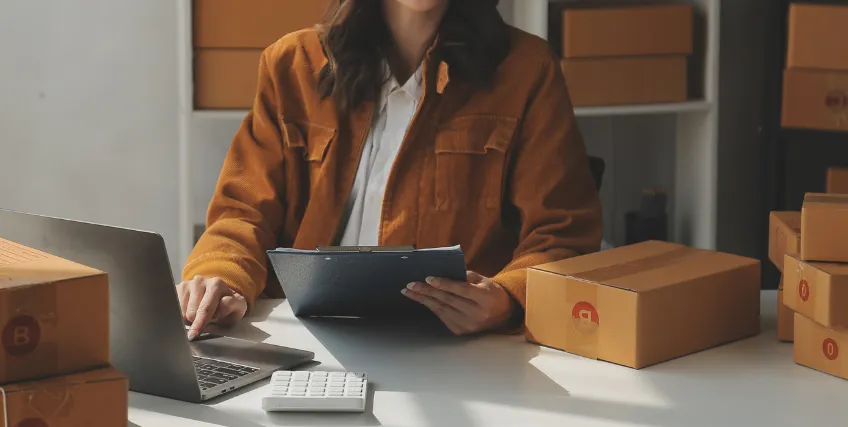
How to Become a Dropshipper: Funding Strategies for Launching Your Online Store

Best Way to Budget Marketing Expenses for Small Businesses
FAQs about Starting a Dropshipping Business
1. Can you really start a dropshipping business with no money?
It may be possible to start a dropshipping business with little to no upfront investment. However, you'll need to make up for the lack of funding by investing your time, effort, and creativity. Many beginners use free ecommerce trials, basic store templates, and organic marketing methods like social media to launch their business without spending much money.
2. Why do so many dropshippers fail?
Many dropshippers struggle because they view the business model as a quick way to make money instead of treating it like a legitimate business. This mindset often results in poor supplier selection, thin profit margins, weak branding, and excessive dependence on paid advertising, making long-term success difficult.
3. How can a beginner dropship?
First-time dropshippers should start by researching and selecting a profitable niche, partnering with trustworthy suppliers, and creating a simple online store. Focus on promoting products through cost-effective channels such as social media, content marketing, and SEO. As the business grows, continue developing your marketing and e-commerce skills to improve results.
4. Is dropshipping on Amazon free?
5. Is dropshipping still profitable in 2026?
Frequent searches leading to this page
Term Loans are made by Itria Ventures LLC or Cross River Bank, Member FDIC. This is not a deposit product. California residents: Itria Ventures LLC is licensed by the Department of Financial Protection and Innovation. Loans are made or arranged pursuant to California Financing Law License # 60DBO-35839