New Equipment Financing: Funding New Assets While Preserving Working Capital
October 05, 2026 | Last Updated on: October 05, 2026

By Anjali Pate
Looking for Business Financing?
Apply now for flexible business financing. Biz2Credit offers term loans, revenue-based financing, lines of credit, and commercial real estate loans to qualified businesses.
Set up a Biz2Credit account and apply for business financing.
As a small business owner, buying brand-new equipment can help your business improve productivity, expand capacity, and adopt modern technology. But paying the full price upfront can reduce liquidity and leave less money for everyday expenses. New equipment financing offers you another way to acquire assets while protecting cash reserves.
You can apply for new equipment loans for small businesses that help spread the cost across scheduled payments. This helps your business maintain working capital and support long-term growth.
This guide explains how new equipment financing works, the best equipment financing options for businesses, qualification requirements, repayment terms, and costs. It also covers how to choose the right financing option that fits your business needs.
What is New Equipment Financing?
New equipment financing allows a business to borrow money or lease an asset to acquire new equipment. Instead of paying the entire cost immediately, you can pay in easy monthly installments. Common business assets include construction equipment, commercial vehicles, medical equipment, commercial ovens, and office furniture.
Unlike financing for used equipment, this structure focuses on brand-new assets that you can purchase from manufacturers, dealers, or approved lenders. Here, the equipment itself serves as collateral for the financing, depending on the loan structure.
For equipment loans, a lender provides an approved loan amount. The business then makes monthly loan payments until the balance is repaid. On the contrary, for leasing equipment, the business pays to use the asset under an agreed contract.
You can use an equipment finance agreement to define payment schedules, ownership conditions, fees, and other obligations. However, the exact structure depends on the financing provider and your business’s financial profile.
Why Finance New Equipment Instead of Paying Cash?
Preserve Working Capital
Maintain Cash Reserves
Access Modern Technology
Support Business Growth
Potential Tax Benefits
New equipment financing allows you to preserve cash for payroll, inventory, marketing, and unexpected expenses. This way, you can retain cash flow for ongoing operations while spreading the equipment cost.
Keeping cash reserves for your business can provide a stronger financial cushion. You can then use the funds to respond to seasonal expenses, emergencies, or new opportunities without immediately seeking additional funding.
Modern assets may help improve efficiency, production capacity, accuracy, and service quality. With new equipment financing, you can purchase new equipment without waiting to save enough cash that could delay an important upgrade.
A small business can add capacity without making a large upfront investment. This can be useful when your business expansion requires equipment before additional revenue is fully realized.
Your business may qualify for tax deductions, depending on the financing arrangement and applicable tax rules. Section 179 of the IRS may allow eligible businesses to deduct qualifying equipment costs, while depreciation can spread an asset’s cost over time. However, you should consult a tax professional about eligibility and current rules.
Best Equipment Financing Options for Businesses
There are several ways in which you can finance new equipment for your business. But you should compare ownership goals, costs, flexibility, and repayment requirements. This can help you identify the best equipment financing option for your business.
Equipment Financing Loans
SBA Loans
Term Loans
Equipment Leasing
Finance lease: A finance lease allows a business to use the equipment while making regular payments. Depending on the agreement, the business may purchase the equipment or gain ownership at the end of the lease.
Operating lease: An operating lease provides access to equipment for a set period without requiring ownership. It can suit businesses that want to use newer technology and replace equipment more frequently.
Business Line of Credit
Vendor or Manufacturer Financing
Equipment financing allows a business to borrow money specifically to purchase new equipment. The lender typically pays the equipment seller, while the business repays the borrowed amount over an agreed period. The equipment may serve as collateral for the loan, making this option suitable for businesses that want to own the asset.
Certain SBA loans can be used to finance the purchase of new equipment. The Small Business Administration guarantees a portion of eligible loans, while participating lenders provide the funds. This option may offer longer repayment periods for qualifying businesses.
A term loan provides a lump sum that a business can use to purchase new equipment from a manufacturer or dealer. The business then repays the principal and interest through scheduled payments over a fixed or agreed period. This can work well for higher-value equipment purchases that require predictable repayment.
Equipment leasing allows a business to use new equipment without paying its full purchase price upfront. Instead, the business makes regular lease payments for an agreed period.
A business line of credit provides access to funds up to an approved limit. A business can draw the amount needed to purchase equipment and repay what it uses, making this option more flexible than a traditional equipment loan.
Equipment manufacturers and dealers may offer financing directly or through lending partners. These programs allow businesses to arrange financing while purchasing the equipment, which can simplify the process and sometimes provide promotional rates or terms.
How to Qualify for New Equipment Financing?
To qualify for new equipment financing, requirements may vary by lender and financing structure. But most lenders generally review:
Credit score and credit history: Lenders may review your credit score, credit report, and overall creditworthiness to assess repayment risk.
Time in business: Established businesses may have an easier time demonstrating financial stability. On the other hand, startups may need stronger financial documentation or guarantees.
Annual revenue: Lenders may review annual revenue to determine whether the business generates enough income to support new payments.
Cash flow: Consistent cash flow helps demonstrate that the business can manage monthly payments alongside existing expenses.
Financial statements: Gather all the necessary documents such as balance sheets, profit and loss statements, tax records, and other financial statements when applying for new equipment financing.
Tax returns: Providing recent tax returns can help verify business income and financial performance.
Equipment details: Lenders may ask for quotes, invoices, specifications, or an appraisal, particularly for expensive equipment.
Collateral: Depending on the financing structure, the equipment or other business assets may serve as collateral.
Understanding Repayment Terms and Costs
Before accepting new equipment financing, you should evaluate the complete cost rather than just focusing only on monthly payments.
Review the following factors:
Interest rates: Compare interest rates offered by different lenders. A fixed rate can provide more predictable payments.
APR: Review the annual percentage rate to understand the broader annual cost of borrowing. This includes the applicable fees along with the interest rates.
Monthly loan payments: Make sure your monthly payments fit comfortably within projected cash flow, including during slower business periods.
Loan amount: Make sure you borrow only what you need. This will help you avoid paying interest on unnecessary funds.
Fees: Check for fees such as origination, documentation, application, late-payment, and other administrative fees.
Prepayment penalties: Determine whether the new equipment financing agreement charges a fee for paying the balance early.
Lease costs: For equipment leasing, review total payments, purchase options, maintenance responsibilities, and end-of-term conditions.
Tax considerations: Consider how depreciation and potential tax deductions may affect the overall cost, based on your tax situation.
How to Choose the Right New Equipment Financing Option?
Determine your equipment needs: Identify the new equipment required, its purchase price, and how long you expect to use it.
Protect working capital: Choose a structure that leaves enough cash available for daily operations and unexpected expenses.
Compare financing structures: You can evaluate options like equipment loans, SBA loans, term loans, equipment leasing, and a business line of credit based on your needs.
Compare total costs: Look beyond the monthly payment and calculate the total amount that you will pay over the financing period.
Match the term to equipment life: Avoid financing equipment for much longer than its expected useful life.
Consider ownership: You can either choose a loan or finance lease if equipment ownership is important. An operating lease may suit businesses that prefer flexibility.
Evaluate cash flow: Make sure your repayment schedule remains manageable during both strong and slow revenue periods.
Compare lenders: You must compare rates, fees, qualification requirements, funding speed, and customer terms from multiple providers.
Consider potential tax benefits: For new equipment financing, evaluate applicable tax deductions and depreciation rules with a qualified tax professional.
Measure business value: Consider whether the equipment can increase productivity, reduce costs, improve capacity, or generate additional revenue.
The Bottom Line
New equipment financing can help businesses acquire modern assets without using a large portion of their available cash. Financing options like SBA loans, equipment loans, equipment leasing, lines of credit, and vendor programs provide different ways to balance ownership, flexibility, and cost.
Choosing the right funding option depends on your creditworthiness, cash flow, equipment needs, repayment capacity, and long-term business goals. But you must compare rates, fees, loan terms, tax considerations, and total costs before applying for new equipment financing. This will help you preserve working capital for continued operations and growth.
Equipment Financing Articles
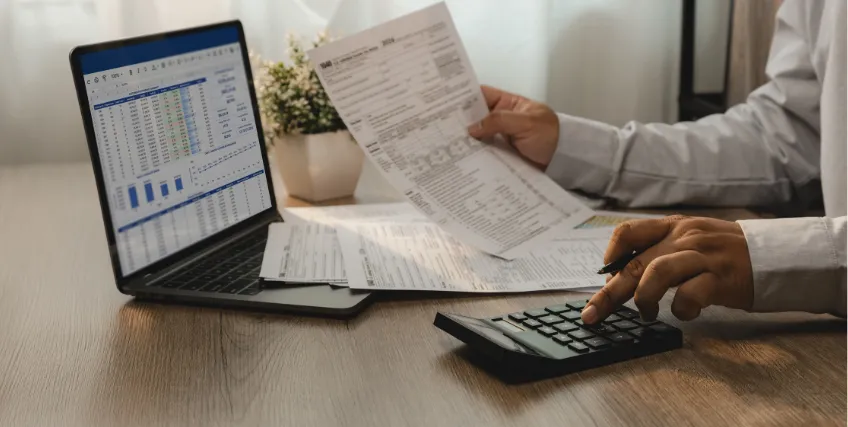
Equipment Financing Requirements: Documents that Lenders Need for Approval and Funding
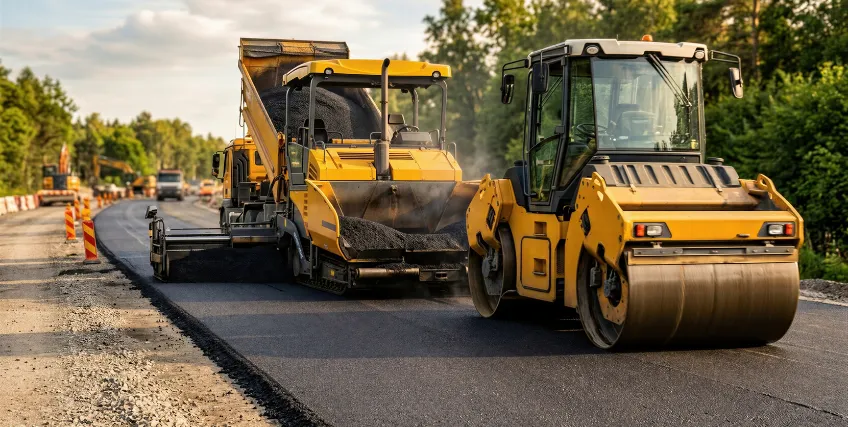
What Are the Best Options for Small Business Equipment Loans with Lower Interest Rates?
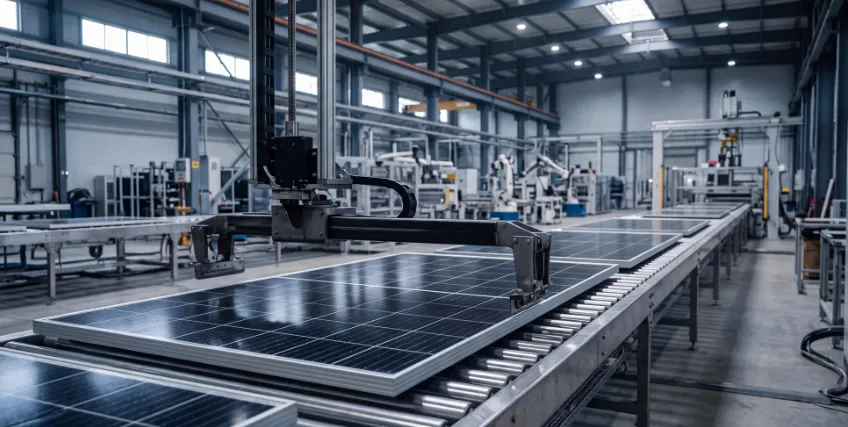
Business Equipment Loan Rates and Terms: What Do They Look Like in USD?
FAQs About New Equipment Financing
1. What are the best equipment financing options for businesses?
The best equipment financing options for businesses include equipment loans, SBA loans, term loans, business lines of credit, equipment leasing, and vendor financing options. The right loan option depends on the equipment cost, ownership goals, cash flow, creditworthiness, and repayment terms.
2. How can I apply for equipment financing?
To apply for equipment financing, you must prepare your business and personal financial information, equipment details, revenue records, and credit information. You should also compare lenders and then choose an option with suitable rates, fees, and repayment terms.