Understanding Equipment Financing Loan for Small Businesses
October 14, 2026 | Last Updated on: October 14, 2026

Looking for Business Financing?
Apply now for flexible business financing. Biz2Credit offers term loans, revenue-based financing, lines of credit, and commercial real estate loans to qualified businesses.
Set up a Biz2Credit account and apply for business financing.
Key Takeaways
An equipment financing loan is a financing solution that helps businesses purchase machinery, vehicles, or technology without draining cash reserves.
SBA 7(a) and SBA 504 loans are two government-backed equipment financing options for growing companies.
Equipment leasing offers an alternative to buying when hardware or machinery may become outdated quickly.
Equipment financing for startups with limited credit history may still be available, since the equipment itself serves as collateral.
Comparing business equipment loan vs. lease terms helps you choose the option that best fits your cash flow.
Lenders usually require an equipment quote, financial statements, and time-in-business documentation before approval.
An equipment financing loan lets business owners buy equipment without paying the full price upfront. Instead of draining working capital, you can spread the cost of important equipment over time while keeping cash for everyday expenses. For many small businesses, technology equipment financing has become as important as truck financing or medical equipment financing, since computers, software, and IT infrastructure now support daily operations.
This article talks about how equipment financing loans work, the top small business loan options available in the US, and how to decide between financing and leasing.
What Is an Equipment Financing Loan?
An equipment financing loan is a type of business loan used specifically to purchase equipment, machinery, vehicles, or technology. The purchased equipment usually serves as collateral, which often makes approval easier and interest rates lower. Rates and terms vary by lender, and repayment periods usually match the equipment's useful life.
How it works:
A lender or bank funds most or all of the purchase price.
The business receives a lump sum and repays the loan in fixed monthly installments.
Once the loan is paid off, the business owns the equipment.
Some lenders may finance up to 100 percent of the equipment cost for essential business assets.
What Types of Equipment Can You Finance with an Equipment Financing Loan?
Nearly any business asset with a useful life of more than a year can qualify, and most lenders accept both new and used equipment as long as it holds resale value. Common categories include:
Vehicles and fleet, including trucks, vans, and specialty vehicles for delivery or service businesses.
Manufacturing machinery, including CNC machines, presses, and production line equipment.
Medical and dental equipment, including imaging machines, chairs, and diagnostic tools.
Restaurant and kitchen equipment, including ovens, refrigeration units, and point-of-sale systems.
IT infrastructure and computers, including servers, laptops, and networking hardware. Businesses that upgrade this equipment often choose IT equipment leasing instead of purchasing.
Office furniture & equipment, including desks, phone systems, and copiers.
Equipment Financing Benefits
Financing equipment instead of paying cash upfront offers several advantages:
Preserves cash flow for payroll, marketing, and emergencies.
May qualify for Section 179 tax deductions, letting you write off qualifying equipment costs in the same year you place it in service.
Builds business credit when payments are reported to commercial bureaus.
Offers monthly payments that simplify budgeting.
Top Equipment Financing Loan Options
The right option depends on your creditworthiness and the type of equipment you are purchasing.
SBA Loans
SBA 7(a) Loans for Equipment Financing, the most flexible SBA option, usable for machinery, commercial vehicles, working capital, and more, with loan amounts up to five million dollars and government guarantees that can reach 75 to 85 percent depending on loan size.
SBA 504 Loans for Equipment Financing are for major, long-life fixed assets like heavy machinery, offering fixed rates and lower down payments, typically suited for larger purchases.
Purpose and fit: 7(a) suits general business needs, while 504 suits large, long-life equipment.
Down payment and equity: 504 loans often require a smaller down payment than conventional financing.
Terms and pricing: 504 loans typically carry fixed rates, while 7(a) loans may have variable rates.
Speed and process: 7(a) loans usually close faster, while 504 loans involve a third-party Certified Development Company and a longer approval timeline.
Term Loans
Approval can take days instead of weeks.
Credit score requirements are usually more flexible than SBA programs.
Online lenders have made equipment financing more accessible for startups, since many use revenue and cash flow data instead of years of tax returns to evaluate applications.
Equipment Loan
Down payments are often lower than unsecured loans, sometimes zero to twenty percent.
Approval is based heavily on the equipment's value and resale potential.
Ownership transfers to the business once the loan is fully repaid.
The Small Business Administration guarantees a portion of certain loans, lowering risk for lenders. This often results in better rates and terms for borrowers. Two SBA programs that stand out for equipment purchases:
Key differences to consider:
Which program should you choose?
If you need one large, long-term asset and want a lower down payment, an SBA 504 loan is often the better fit.
If you need flexibility to cover equipment alongside working capital or other costs, an SBA 7(a) loan is usually the stronger choice.
A traditional term loan works much like an equipment financing loan but without SBA backing, trading a slightly higher rate. Banks, credit unions, and online lenders all offer equipment term loans, typically with repayment periods of two to seven years.
An equipment loan is a simple equipment financing structure in which a bank, credit union, or specialty lender provides funds tied to one specific piece of equipment. The equipment itself secures the loan, so no additional collateral is usually required.
Equipment Loan vs. Equipment Lease: Quick Comparison
Understanding the difference between an equipment loan and a lease helps you choose the equipment financing structure that fits your goals.
Ownership: A loan builds equity toward ownership, while a lease usually requires you to return the equipment at the end of the term unless you buy it out.
Upfront cost: Loans often require a down payment, while leases typically require little to no upfront cash.
Tax: Loan payments may qualify for Section 179 deductions, while lease payments are often fully deductible as a business expense.
Flexibility: Leases make it easier to upgrade equipment, while loans make more sense for assets with a long useful life.
Best for: IT equipment leasing is especially popular for computers and servers that need frequent upgrades, while an equipment loan fits vehicles, machinery, and other long-life assets better.
What Documents Do I Need to Apply for Equipment Financing?
Lenders review documents to confirm your business can repay an equipment financing loan on schedule. Typical requirements include:
Business license and formation documents.
Personal and business tax returns, typically the last two years.
Recent business bank statements.
An equipment quote or invoice from the seller.
Personal credit report and, in some cases, a personal guarantee.
Year-to-date financial statements, including profit and loss and balance sheet.
A business plan, which is especially useful when applying for equipment financing for startups with limited financial history.
How to Choose Between Financing and Leasing
Deciding between a loan and a lease depends on how you plan to use the equipment and how you want to manage cash flow and taxes. There is no single right answer, so consider each factor against your specific situation.
Consider your timeline: if you will use the equipment for its entire useful life, a loan usually costs less overall.
Consider your cash position: if preserving capital matters most, a lease might be a better option.
Consider technology turnover: Businesses investing heavily in technology equipment financing often prefer leasing so they are not stuck with outdated hardware.
Consider your tax strategy: Talk to an accountant about whether Section 179 or lease deductions benefit your business more.
Consider your credit profile: Equipment financing companies sometimes approve applicants that traditional lenders decline.
How to Apply for an SBA Loan for Equipment Financing
Applying for an SBA-backed equipment financing loan involves more documentation than a conventional term loan, but the trade-off is often a lower rate and longer repayment term.
Determine which program fits your needs: SBA 7(a) for flexibility or SBA 504 for major fixed assets.
Gather required documents, including tax returns, financial statements, and an equipment quote.
Find an SBA-approved lender or, for 504 loans, a Certified Development Company.
Submit your application along with a clear explanation of how the equipment will support business growth.
Complete underwriting, which may include a review of collateral value and personal credit.
Close the loan and receive funding, often disbursed directly to the equipment seller.
Bottom Line
Choosing the right way to finance new machinery, vehicles, or technology can shape your business's cash flow and growth for years to come. An equipment financing loan may help you get the required equipment quickly. Whether you choose an SBA loan, a conventional term loan, or a lease, take time to compare rates, terms, and tax implications before signing.
Start by getting quotes from equipment vendors, then request offers from two or three lenders so you can compare total financing costs. When in doubt, a conversation with a lender or accountant can help you match the right financing structure to your specific goals.
Equipment Financing Articles

Best Hospitality Equipment Financing Options for Restaurants, Hotels, and Cafés
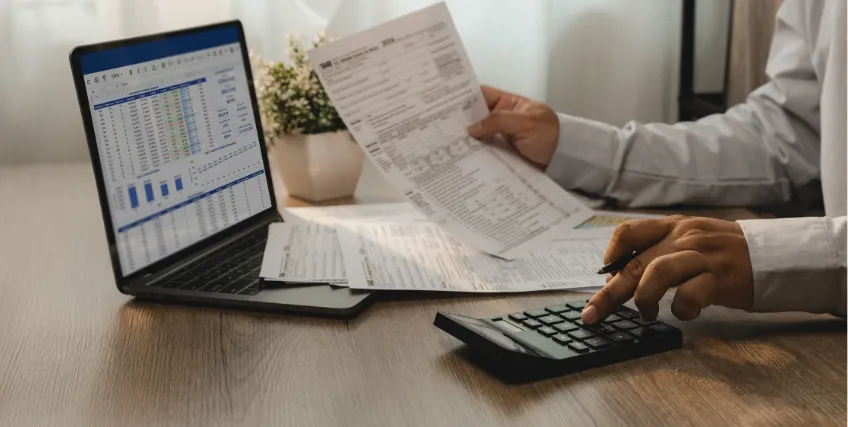
Equipment Financing Requirements: Documents that Lenders Need for Approval and Funding
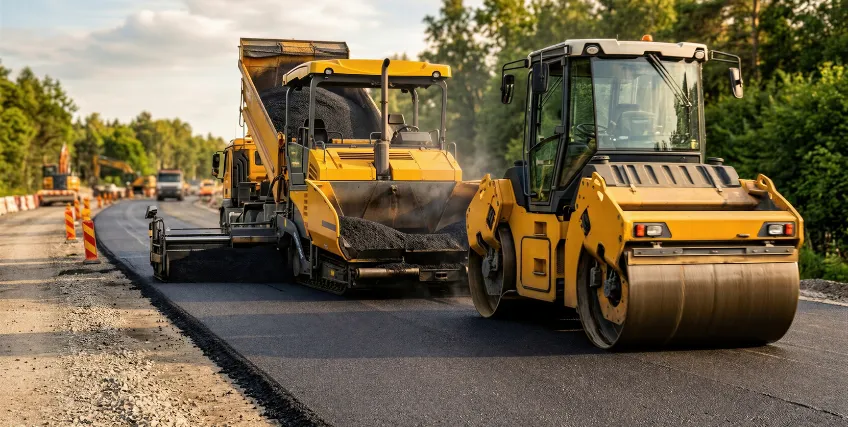
What Are the Best Options for Small Business Equipment Loans with Lower Interest Rates?
FAQs About Equipment Financing Loans
1. What credit score do I need to qualify for an equipment financing loan?
Most conventional lenders look for a credit score of at least 600, while SBA loans often require 650 or higher. Online and alternative lenders may approve lower scores in exchange for higher rates.
2. Can I get an equipment financing loan with bad credit?
You may get equipment financing with bad credit, as lenders focus on the equipment’s value rather than your credit score alone. Some lenders focus more on the asset's value and your business's annual revenue than on a low personal credit score.
3. How fast can I get approved for equipment financing?
Online term loans can be approved within a few business days. SBA loans typically take four to twelve weeks, depending on the program and documentation.
4. What is the difference between financing and leasing equipment?
5. Is equipment financing tax deductible?
6. Should I choose an SBA loan or a conventional equipment financing loan?
Frequent searches leading to this page
Term Loans are made by Itria Ventures LLC or Cross River Bank, Member FDIC. This is not a deposit product. California residents: Itria Ventures LLC is licensed by the Department of Financial Protection and Innovation. Loans are made or arranged pursuant to California Financing Law License # 60DBO-35839