2026 Guide to Low‑Interest Green Energy Loans
October 22, 2026 | Last Updated on: October 22, 2026

Looking for Business Financing?
Apply now for flexible business financing. Biz2Credit offers term loans, revenue-based financing, lines of credit, and commercial real estate loans to qualified businesses.
Set up a Biz2Credit account and apply for business financing.
Government support for renewable energy and clean power is motivating both owners and lenders to pursue the same. For interested borrowers, modern lenders have even introduced numerous green energy loans. These loans can be used to invest in multiple types of green energy, with the most expensive ones being solar and wind. According to Deloitte, solar energy project costs are expected to increase by 36% to 55%, while wind project costs may rise by 32% to 63% by the end of 2026. Furthermore, increasing compliance requirements and development expenses add more pressure on the budget, requiring competitive and low interest energy loans.
The speed of financing in green energy loans matters equally. Renewable energy systems and advanced clean energy technologies require significant upfront investment. Slight delays in financing decisions can ripple and lead to major delays at the start of your project.
In this article, we’re going to take a closer look at multiple green energy financing options, their benefits, and eligibility criteria.
Understanding Green Energy Loans
Green energy loans are specialized loan programs to build or set up eco-friendly renewable energy projects including but not limited to solar energy, wind energy, hydropower energy, bioenergy & biofuels, geothermal energy, green hydrogen, and more. These loans are offered by both non-profit and for-profit entities, with varying interest rates depending on the borrower's credit history. As these loans help in making energy efficiency improvements in urban and rural infrastructure, borrowers may be able to secure green energy loans at competitive rates.
Types of Renewable Energy Setups Covered Under Green Energy Loans
Green energy loans cover various renewable energy developments and structures including:
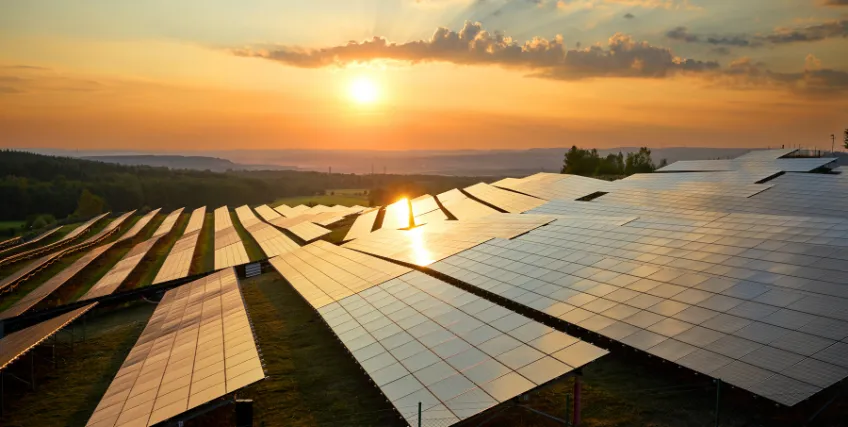
- Solar panels
- Electric vehicles
- Hydrogen vehicles
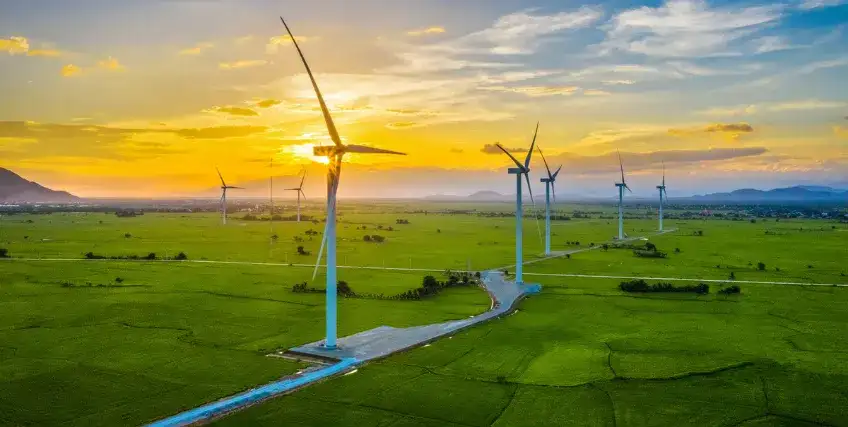
- Wind turbines
- Smart windows
- Heat pumps
- Waste-to-Energy machines and infrastructure
- Green power construction equipment
- Green power agriculture equipment
- HVAC systems
Green Energy Loan Options Available in 2026
To secure loan funds, borrowers can opt for various green energy loan options in 2026. These include:
DOE Loan Programs
Energy Dominance Financing Program (EDFP): No information is publicly available on the guarantee, loan term, and loan tenure. Interested businesses must reach out to DOE to understand these terms.
Clean Energy Financing: These are large scale loans of up to $3,600,000,000, with up to 80% guarantee. Only towns, cities, non-profit housing authorities, and tribal governments can apply for green energy loans under these programs.
Advanced Technology Vehicles Manufacturing (ATVM) loan program: These loans are offered to original equipment manufacturers with the condition that the loan amount cannot exceed 80% of overall project costs.
Traditional Term Loans
Line of Credit
Equipment Loans
Working Capital Loans
The U.S Department of Energy (DOE) offers various funding options to energy startups and townships that require government aid in setting up their energy projects. These financing options include both grants and loans. Some of its offered loan programs include:
Multiple lenders offer green energy loan programs with fixed interest rates. These programs come with adjustable loan tenure and amount. Owners can negotiate these loan terms to lower their monthly payment and repay over a couple of years. Traditional term loans come with strict scrutiny and require borrowers to present complete financial documents and a moderate credit score.
Unlike term loans, line of credit offers the flexibility to use the loan funds for any purpose. Owners can install solar panels, heat pumps, or any other green energy construct. Owners may withdraw funds flexibly as per project requirements and only need to pay interest on what they borrow instead of the entire credit line. With monthly repayments, the line of credit gets replenished and can be reused without any loan application. Lastly, you may get the option to pay a minimum amount and carry forward your balance to the next month.
For business purposes, even electric-powered heavy equipment, construction equipment, forklifts, telehandlers, etc. can be considered under equipment loans. These loans are mostly secured with the asset and come with lower interest rates. By making a downpayment, borrowers can aim to secure better rates and repayment terms. Many times, equipment dealers tie up with private lenders to offer these loans.
If green equipment is a part of working capital, working capital loan can be used as a green energy loan. In comparison to equipment loans, working capital loans aren't particularly tied to any equipment. Instead, borrowers can themselves choose the collateral, which can either be the green energy equipment, future receivables, or some other business asset.
Why Take Green Energy Loans?
There are several benefits of opting for green energy loans. From finding v options and faster funding to tax benefits and flexible repayment structures, you might be able to benefit from these all.
Lower Interest Rates
Secured Loans
Possible Tax Savings
Easy Loan Repayment Terms
Faster Funding Decisions
With green energy on rise, several lenders are now offering green energy loans. In the competitive market, borrowers may be able to secure lower interest rates. They can also opt for higher loan amounts with the documents supporting the costs of their renewable energy improvement plans.
Green energy loans mostly include a project, like installation of solar panels or development of some other green energy constructs. In this type of loan, the asset itself serves as a collateral. In case of any default, personal and business assets remain secured while the lender seizes the assets to recover damages.
The government is backing up green energy sources, and any investments made in green energy projects may help in tax savings. Businesses may be able to claim tax benefits and rebates on any of the interest paid on green energy loans, while also reducing emissions and electricity costs. It is advised to always consult with a tax professional.
Because of high competition in the loan market, borrowers can expect to get favorable loan terms with adjustable or smaller monthly payments. For green energy loans, the Annual Percentage Rate (APR) may also be lower.
Considering the loan amount is secured with a collateral, and the push towards green energy sources, borrowers can expect to see faster decisions on their loan application.
Eligibility Criteria to Secure Low Interest Green Energy Loans
Most of the time, the eligibility criteria for green energy loans remain simple, but it can also vary for each lender and credit profile.
Credit Score: Lenders still rely on credit scores to evaluate a borrower's creditworthiness. According to Experian, a score between 630-749 is considered good, 750-799 as very good, and 800-850 as excellent. Thus, try to maintain a score above 630 to secure green energy loans.
Debt-to-Income Ratio: In case your debts outweigh your income, it becomes difficult for lenders to trust you as a creditable borrower. Try to refinance and consolidate all debts under a single loan or pay off previous debts to secure a green loan for solar panel, EVs, and more.
Financial Statements: You’ll also need to provide various financial statements including bank statements, tax returns, profit & loss statements, and more.
Down-Payment: Although the renewable energy project itself secures the loan, some lenders still require some down-payment. Not only does this help in securing the loan but also helps you secure better loan terms.
Co-Signer: Getting a co-signer or guarantor to share risk profiles may also help improve the chances of securing low interest green loans.
Conclusion
Green energy is definitely going to make the world a more sustainable and lively place for generations to come. How fast the world adapts to it is a major concern. Green energy loans make it easier to invest in green energy solutions and also come up with a plethora of benefits including possible tax deductions, reduced utility bills, and flexible repayment terms. Likewise, owners can set up solar panels at their property in a more convenient way and decrease electricity bills. To secure better loan terms, we recommend shopping at multiple lenders and finalizing the one that best matches your requirements.
Green Energy Financing Articles
Clean Energy Funding Options for Businesses
How Green Energy Funding in USA Works
How Commercial Solar Financing Companies Help Businesses Beat Rising Utility Costs
FAQs about Green Energy Loans
1. What are green energy loans?
Green energy loans help individuals and organizations secure funds to set up and install green projects that use or produce renewable sources. At large scale, these can include wind turbines, thermal power plants, and more. While in daily life, these can also cover solar panels, heat pumps, and electric vehicles.
2. Does U.S. Department of Energy offer any green energy loans?
The U.S. department of energy offers both loan guarantees and direct loans to support renewable energy projects. These include Clean Energy Financing Program and Advanced Technology Vehicles Manufacturing (ATVM) loan program.
3. What is the loan tenure for green energy loans for solar panels?
The loan tenure for green energy loans for solar panels is typically 3-10 years, depending on the selected lender and loan product. Some lenders may also provide the option to foreclose the loan with some exit interest rates.
4. Where to get low interest green energy loans?
The interest rates vary and fluctuate because of various factors, like loan amount, loan tenure, credit score, collateral, down payment, and more. To find low interest green energy loan options, try opting for secured loan options and online lenders as they use AI-based underwriting for a thorough evaluation.
5. What credit score do I need to secure a green energy loan?
Typically, a credit score of above 670 falls under the good category. However, your application may depend on various factors along with credit score, like income stability, business plan, debt-to-income ratio, loan amount, and more.