How to Choose the Right Truck Financing Options for Your Industry
August 19, 2026 | Last Updated on: August 19, 2026

Looking for Business Financing?
Apply now for flexible business financing. Biz2Credit offers term loans, revenue-based financing, lines of credit, and commercial real estate loans to qualified businesses.
Set up a Biz2Credit account and apply for business financing.
Key Takeaways
- Truck financing solutions vary by industry, credit profile, and how long you have been in business.
Equipment financing, term loans, leasing, specialized fleet lenders, and SBA loans are the main paths to funding a commercial truck.
- Truck-secured lending uses the vehicle itself as collateral.
- New operators pursuing new-business truck funding or semi-truck financing should expect closer scrutiny.
Every trucking business has different operational and financial requirements. A transportation company running long-haul routes, a logistics provider managing regional freight, a construction business operating dump trucks, a landscaping company using seasonal service vehicles, and a delivery fleet handling last-mile shipments all rely on trucks in different ways.
Choosing the right truck financing option requires careful evaluation of your cash flow, credit profile, equipment needs, and long-term business goals. Factors such as repayment terms, down payment requirements, interest rates, and ownership preferences can significantly impact the overall cost and flexibility of financing.
This article explores the some of the common truck financing options available to commercial trucking businesses and explains how industry-specific needs influence financing decisions.
What Is a Commercial Truck Loan?
A commercial truck loan is a type of financing used specifically to purchase a tow truck, semi-truck, dump truck, trailer, flatbed trailer, or other heavy commercial vehicle for business use. The lender provides the funds needed to buy the vehicle upfront, and you repay that amount in fixed monthly installments over an agreed term. Unlike a personal auto loan, a commercial truck loan is underwritten around business revenue, industry risk, and the value of the equipment itself.
Here is how a typical commercial truck loan works in practice:
- The truck serves as collateral for the loan, which reduces the lender's risk.
- Loan terms usually run from 36 to 84 months, depending on the age of the truck.
- Down payments range from 0% to 20%, depending on your credit profile and lender type.
- Interest rates depend on your credit score, time in business, annual revenue, and the age and condition of the truck.
- Some lenders also factor in your industry, since certain freight categories carry more risk than others.
Commercial truck loans are just one of many truck financing options available to carriers today. Choosing the right structure depends on your industry, your monthly cash flow, and your long-term growth plans. A newer company may prioritize speed and flexibility, while an established fleet may prioritize the lowest possible rate.
Why Different Industries Need Different Truck Financing Solutions
While a commercial truck loan works similarly across industries, the right financing usually depends on how the vehicle is used, how revenue is generated, and the company's long-term goals. Understanding these differences can help business owners select truck financing options that align with their operational realities.
Transportation Companies
- Equipment financing
- SBA loans
- Specialized fleet financing
Logistics Providers
- Specialized fleet lenders
- Equipment financing
- Leasing for rapid fleet expansion
Construction Businesses
- Equipment financing
- Term loans
- SBA loans for established firms
Landscaping Companies
- Equipment leasing
- Term loans
- Equipment financing with lower monthly payments
Delivery Companies
- Equipment leasing
- Equipment financing
- Specialized fleet financing
Transportation businesses typically operate long-haul trucks that accumulate high mileage and remain in service for many years. Since these vehicles are critical revenue-generating assets, transportation companies often prioritize ownership and long repayment terms that keep monthly payments manageable.
Best financing options:
Logistics companies frequently manage multiple vehicles across regional and national networks. They may need to expand fleets quickly to support new contracts or changing customer demands. As a result, they often value financing solutions that allow for scalability and fleet growth.
Best financing options:
Construction companies commonly use dump trucks, concrete trucks, and other heavy-duty vehicles tied to project-based work. Revenue can fluctuate depending on contract schedules, making payment flexibility an important consideration.
Best financing options:
Landscaping businesses often experience seasonal revenue patterns, with peak demand occurring during warmer months. Conserving working capital for payroll, materials, and equipment maintenance is often just as important as acquiring vehicles.
Best financing options:
Delivery businesses operate vehicles intensively and frequently replace them due to high wear and tear. They may prefer financing solutions that allow for regular vehicle upgrades to improve efficiency and reduce maintenance costs.
Best financing options:
Some Common Commercial Truck Financing Options Available
There is no single best answer when it comes to funding a truck purchase. Each financing structure serves a different business need, and the right choice often depends on how long you plan to keep the vehicle, how much of a down payment you can offer, and how quickly you need funding. Below are the most common truck financing options used across the trucking industry today, along with the type of operator each one tends to fit best.
Equipment Financing
- Financing up to 80% to 100% of the truck's purchase price.
- Fixed monthly payments over the loan term, which makes budgeting predictable.
- Ownership of the truck once the loan is paid off in full.
- Approval based heavily on the equipment's age, mileage, and overall condition.
- Faster underwriting compared to unsecured loans, since the collateral lowers lender risk.
Term Loans
- Cover working capital alongside a vehicle purchase.
- Finance repairs, insurance premiums, or licensing costs.
- Access funds faster than a traditional bank loan typically allows.
- Consolidate multiple smaller debts into a single, predictable monthly payment.
Bridge a temporary cash flow gap between customer payment cycles.
Equipment Leasing
- Keep monthly payments lower than a traditional purchase loan.
- Upgrade to newer trucks more frequently, which helps with fuel efficiency and emissions compliance.
- Avoid large, unpredictable maintenance costs on aging equipment.
- Preserve cash for fuel, payroll, insurance, and other daily operating expenses.
- Test a new route or contract before committing to a long-term purchase.
Specialized Fleet Lender
- Faster underwriting, since they already understand truck values and depreciation schedules.
- More flexibility for older trucks, salvage titles, or non-standard equipment.
- Programs built specifically around truck and trailer financing needs, from single trucks to full fleets.
- Relationships that can support future fleet expansion as your business grows.
- Industry-specific guidance on which routes, loads, or truck types tend to hold value best.
SBA Loans
Equipment financing is a loan secured specifically by the truck or trailer you are purchasing. It is one of the most widely used truck financing structures in the industry, largely because the vehicle itself reduces the lender's risk and simplifies underwriting.
Key features of equipment financing include:
This structure is a strong fit for owner-operators who want to build equity in their equipment over time and eventually own their trucks outright. Among the various truck financing options, equipment financing remains the most common starting point for first-time buyers.
Term loans provide a lump sum of capital that you repay on a fixed schedule, typically with equal monthly payments. Unlike equipment financing, a term loan is not always tied to a specific asset, which gives you more freedom in how you use the funds.
Consider a term loan when you need to:
Term loans work well for carriers who need flexibility beyond a single truck purchase, especially during seasonal slowdowns. This makes term loans a useful complement to other truck financing options rather than a replacement for them.
Leasing lets you use a truck without owning it outright. You make monthly payments for a fixed period, and at the end of the term you can return the vehicle, renew the lease, or purchase it at a predetermined price.
Leasing tends to make sense when you want to:
Fleets that prioritize newer vehicles, predictable costs, and lower upfront capital often lean toward leasing over ownership, especially in industries where technology and emissions standards change quickly. Leasing is one of the more flexible financing options for businesses that expect to change equipment often.
Specialized fleet lenders focus exclusively on trucking equipment financing rather than general small business lending. Because they work inside the industry every day, they understand truck values, depreciation curves, and route-level risk far better than a general bank does.
Benefits of working with a specialized lender include:
If you operate multiple trucks or plan to scale a fleet over the next few years, a specialized lender is often the most efficient path among all available truck financing options.
SBA loans are backed by the Small Business Administration and offered through approved lenders, which reduces risk for the lender and often results in better terms for the borrower. They are a solid choice for businesses with strong financials and an established track record.
What to expect from SBA financing:
- Competitive interest rates compared to many alternative lenders.
Longer repayment terms, which lowers your monthly payment obligation.
- More documentation requirements and a longer approval timeline than equipment financing.
- Strict requirements around time in business, annual revenue, and personal credit history.
- Personal guarantees are typically required from business owners.
SBA loans work best for established carriers with several years of financial history, not startups still building a track record. They remain one of the more affordable truck financing options once you clear the eligibility bar.
Deciding Best Truck Financing Option: Buy vs. Lease
Deciding between buying and leasing is one of the most important choices, and it directly shapes which truck financing options is good for your business. Each option affects your cash flow, and your long-term equity differently.
Buying a truck makes sense when you:
- Plan to run the vehicle for many years without frequent upgrades.
- Want to build equity and eventually own the asset outright.
- Can absorb rising maintenance costs as the truck ages.
- Qualify for competitive rates through equipment financing or an SBA loan.
- Run predictable, long-haul routes where equipment life expectancy is well understood.
Leasing makes sense when you:
- Want predictable, lower monthly payments with fewer surprises.
- Prefer to upgrade trucks every few years to stay current on technology.
- Operate in a business where efficiency standards and emissions rules change quickly.
- Want to avoid resale risk and depreciation on older equipment.
- Need to conserve cash for growth rather than tying it up in equipment ownership.
There is no universal right answer. The best decision among the truck financing options available to you depends on how long you plan to keep the truck, how much risk you can absorb, and how your industry is likely to evolve over the next several years.
Step-by-Step: How to Apply for Truck Financing
Applying for financing does not have to be complicated once you understand what lenders are looking for. Follow these steps to move through the process efficiently and improve your odds of approval.
Check your credit profile
Gather your documents
Decide on the right structure
Get pre-qualified with multiple lenders
Submit your application
Review the offer terms carefully
Consider refinancing later
Close and fund
Review both your personal and business credit scores before applying. Lenders use these scores, along with your payment history, to set your interest rate and repayment terms.
Prepare recent tax returns, bank statements, and a valid commercial driver's license (CDL). If you are a startup founder, be ready to show a detailed business plan and revenue projections as well, since lenders will want to see how you plan to generate income.
Compare equipment financing, leasing, term loans, specialized fleet lending, and SBA loans side by side. Match the structure to your industry, your route type, and your monthly cash flow.
Compare rates and terms from banks, credit unions, and specialized fleet lenders. This step alone can help you find far more competitive truck financing options than settling for the first offer you receive.
Provide accurate financial details, equipment information, and any supporting documentation the lender requests. Errors or missing paperwork here can significantly delay approval.
Check the interest rate, term length, down payment requirement, and any prepayment penalties before signing anything. Ask questions if any clause is unclear, since the fine print is often where weaker truck financing options reveal themselves.
If your credit improves or market rates drop, a refinance truck loan can meaningfully reduce your monthly payment and free up cash flow. Many experienced carriers pursue this option once they have built two or three years of strong, on-time payment history.
Once approved, sign your final documents and receive funding to complete the purchase or lease option. Keep copies of every document for your records and future tax filings.
Bottom Line
Choosing the right truck financing options comes down to your industry, your credit profile, and how long you plan to keep the equipment on the road. Equipment financing and SBA loans suit carriers who want to build long-term equity in their trucks. Leasing and term loans offer flexibility for businesses that need to move fast, manage tight cash flow, or stay current with rapidly changing equipment standards. Lenders who specialize in trucking equipment financing can also open doors that a general bank simply cannot, especially for fleets planning to expand.
Transportation Business Loans Articles

How to Get Commercial Truck Financing with Bad Credit and No Large Down Payment
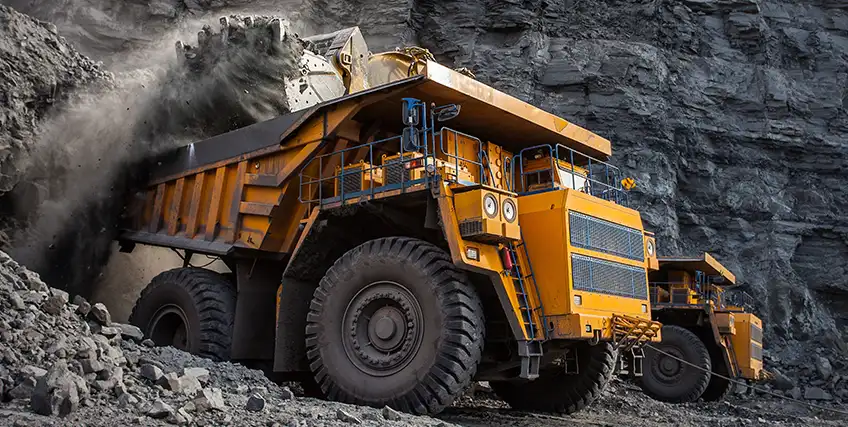
Trucking Equipment Financing Checklist: Documents You'll Need Before Applying
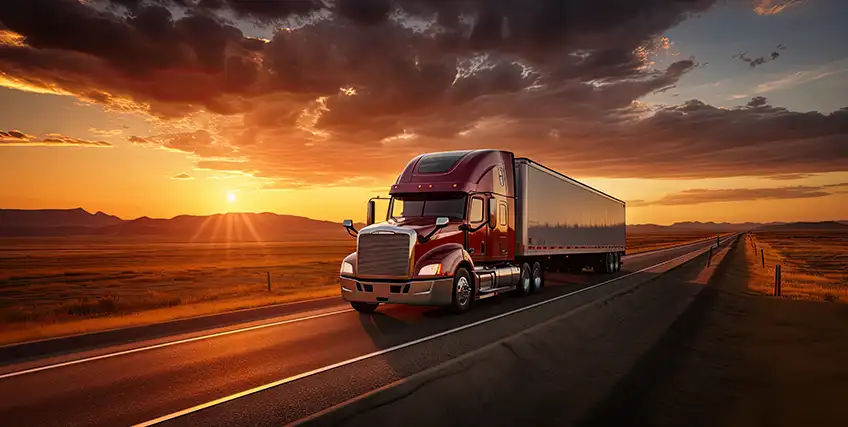
Truck Financing for Newer Businesses: Common Reasons Applications Get Rejected and How to Avoid Them
FAQs about Truck Financing Options
1. How to choose the best truck financing option?
There is no one best truck financing option. It depends majorly on your business needs, credit profile and repayment timeline. The right choice should also align with how your trucks are used, your revenue cycle, and your long-term goals, whether that is preserving cash flow, expanding your fleet, or building equity through ownership.
2. Can a new business qualify for truck financing?
Many lenders offer truck finance for new business owners, even if they have limited operating history. While startups may face stricter eligibility requirements than established companies, approval is still possible with a good credit history, a reasonable down payment, proof of income, and a well-developed business plan.
3. Is it better to lease or finance a commercial truck?
The choice between leasing and financing depends on your business goals and cash flow needs. Leasing typically offers lower monthly payments and allows you to upgrade to newer trucks more frequently. Financing, on the other hand, allows you to build equity in the vehicle and eventually own it outright.
4. When should you consider a refinance truck loan?
5. What are the most common truck financing options for businesses?
Frequent searches leading to this page
Term Loans are made by Itria Ventures LLC or Cross River Bank, Member FDIC. This is not a deposit product. California residents: Itria Ventures LLC is licensed by the Department of Financial Protection and Innovation. Loans are made or arranged pursuant to California Financing Law License # 60DBO-35839