Best Farm Loans for Equipment and Machinery: How to Finance Tractors, Harvesters, and More
September 30, 2026 | Last Updated on: September 30, 2026

Looking for Business Financing?
Apply now for flexible business financing. Biz2Credit offers term loans, revenue-based financing, lines of credit, and commercial real estate loans to qualified businesses.
Set up a Biz2Credit account and apply for business financing.
Key Takeaways
- The best farm loans for equipment cover tractors, harvesters, irrigation systems, and other heavy machinery.
USDA Farm Service Agency (FSA) loans are a major funding source for farmers, particularly those who cannot obtain conventional financing. Traditional bank loans, commercial lenders, and equipment dealer financing are also common options for purchasing farm equipment and funding farm operations.
- Lenders look at credit history, farm revenue, collateral, and time in operation before approving the best farm loans.
- Interest rates vary by lender type, loan term, and down payment size.
Farm equipment does not come cheap. A used tractor still runs into tens of thousands of dollars. For most farming operations, you need heavy machinery, and paying cash is not always possible. Farm owners look for farm loan programs to get started.
But choosing the best farm loans for equipment and machinery can feel a bit overwhelming. This article lists some of the common direct loan options available, best farm loan rates, qualification requirements, and how to apply for a loan.
Why Equipment Financing Matters for Farm Businesses
Machinery is the backbone of modern agribusiness. Without the right equipment, planting, harvesting, and transport all slow down. Financing lets you access equipment now instead of waiting years to save enough cash.
Preserves working capital for seed, feed, and labor costs.
- Spreads large purchases into predictable monthly payments.
- Lets you upgrade equipment as technology improves.
- Builds a credit history that supports future borrowing.
- Reduces the risk of downtime during planting or harvest windows.
Many farm owners search for the best farm loans specifically because equipment costs rise every season while margins stay thin. A well-structured loan protects cash flow during off-seasons and unpredictable weather years.
Top Farm Loan Options
The best farm loans depend on your operation size, credit profile, and how quickly you need funds. Below are the main categories worth comparing before you commit to a lender.
USDA Farm Loans
- Designed for small and beginning farm operations.
- Offer up to $50,000 for equipment, machinery, and other operating needs.
- Feature a simplified application process compared to standard FSA loans.
- Work well for farmers buying their first tractor or implement.
- Often close faster than larger farm ownership loans.
- Can be used for equipment purchases tied to a larger farm ownership or expansion plan.
Offers longer repayment terms, which lowers monthly payments.
- Backed by the federal government, which often means more favorable terms than conventional financing.
- Requires documentation of farm income and a clear repayment plan.
- Can be combined with other USDA programs for larger equipment packages.
Agriculture Loan
The U.S. Department of Agriculture (USDA), through its Farm Service Agency (FSA), offers some of the most accessible financing for equipment and machinery. These programs support family farms, beginning farmers, and operations that may not qualify for conventional bank loans.
Every state has a USDA service center where farmers can meet with loan officers, submit applications, and get guidance on which FSA program fits their needs. Visiting a USDA service center in person helps you better understand eligibility, loan guarantees, and paperwork requirements. Staff can also explain how FSA loans compare with other agriculture loan options in your area.
Beyond USDA programs, a standard agriculture loan from a bank, credit union, or farm credit system lender is another financing option. These loans are typically faster to close than government-backed programs, which matters when equipment is needed before a specific planting or harvest date.
- Offered by banks, credit unions, and specialized agricultural lenders.
Can be structured as term loans or equipment-specific financing.
- Often allow the equipment itself to serve as collateral.
- May close faster than USDA-backed options, which helps during time-sensitive purchases.
- Some lenders specialize exclusively in agriculture, which can mean more flexible underwriting.
Dealer financing is worth mentioning too. Many equipment manufacturers offer in-house financing with promotional rates, especially during slower sales periods. Comparing dealer offers against a traditional agriculture loan is a smart step before signing anything, since promotional rates do not always beat a bank's standard terms once fees are included.
General Requirements to Qualify
Lenders evaluate several factors before approving any of the best farm loans for equipment and machinery. Meeting these requirements upfront speeds up approval and can improve your offered rate.
Credit score: Most lenders want a credit score in the mid-600s or higher, though FSA microloans allow more flexibility.
Farm income documentation: Tax returns, profit and loss statements, and cash flow projections show your ability to repay.
Time in operation: Established farms with a track record often qualify for better terms than brand-new operations.
Collateral: The equipment being financed, land, or other farm assets may secure the loan.
Business plan: For larger loans, lenders may ask for a written plan showing how the equipment supports revenue growth.
Debt-to-income ratio: Lenders check existing obligations to confirm you can comfortably handle a new payment.
Beginning farmers without a long credit history should not assume they are out of options. FSA microloans and beginning farmer programs exist specifically to help newer operations access the best farm loans on reasonable terms. A USDA service center can walk you through which program fits your situation before you formally apply, which is often the quickest path to the best farm loans for a first-time buyer.
Best Farm Loan Rates
Interest rates are often the deciding factor when comparing lenders. Understanding what drives lender pricing helps you negotiate with confidence and avoid overpaying over the life of the loan.
Loan type: USDA and FSA programs generally offer lower, government-backed rates than conventional bank loans.
Credit profile: Stronger credit scores and consistent farm revenue typically unlock lower rates and better terms.
Loan term: Shorter terms usually carry lower rates but higher monthly payments.
Down payment size: A larger down payment reduces lender risk and can lower your rate.
Market conditions: Broader interest rate trends affect agricultural lending just as they do other loan categories.
Equipment age: Financing for new equipment often carries lower rates than loans for used machinery.
As of June 2026, farm loan rates in USDA-backed programs commonly range from around 3% to 6%, depending on the loan repayment term and other factors. Actual figures shift with market conditions, so always confirm current numbers directly with a lender or your local USDA service center before signing.
Tips to Strengthen Your Loan Application
A stronger application can shave real money off your financing costs over time. Consider these steps before you approach a lender for the best farm loans.
- Pull your credit report early and correct any errors before applying.
- Organize two to three years of tax returns and farm income statements.
- Get a written quote for the equipment so lenders can verify the loan amount.
- Ask each lender for a full breakdown of fees, not just the headline rate.
- Consider a larger down payment if it meaningfully lowers your rate.
- Time your application ahead of peak season, since lenders and USDA offices tend to see higher volume right before planting and harvest.
- Keep business and personal finances separate where possible, since clean records make underwriting faster.
Bottom Line
Financing tractors, harvesters, and other machinery does not have to be overwhelming. The best farm loans combine manageable rates, realistic terms, and a repayment schedule that matches your farm's cash flow cycle. Start with USDA Farm Service Agency programs if you qualify, then compare against conventional agriculture loans and dealer financing.
Meeting lender requirements ahead of time, understanding what shapes your rate, and shopping multiple offers puts you in the strongest position to fund equipment without straining your operation's finances. Taking the time to compare options now can save your farm business thousands of dollars over the life of the loan, making the search for the best farm loans well worth the effort.
Agribusiness Loans Articles
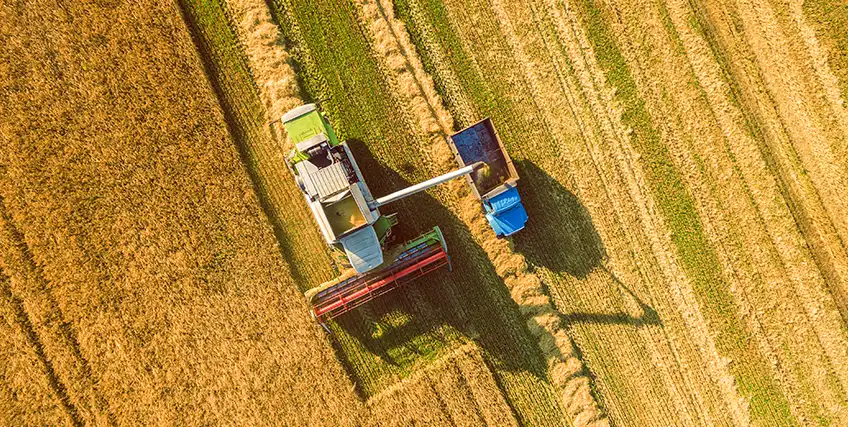
What Determines Ag Loan Rates: 8 Factors That Can Affect Your Farm Financing Cost
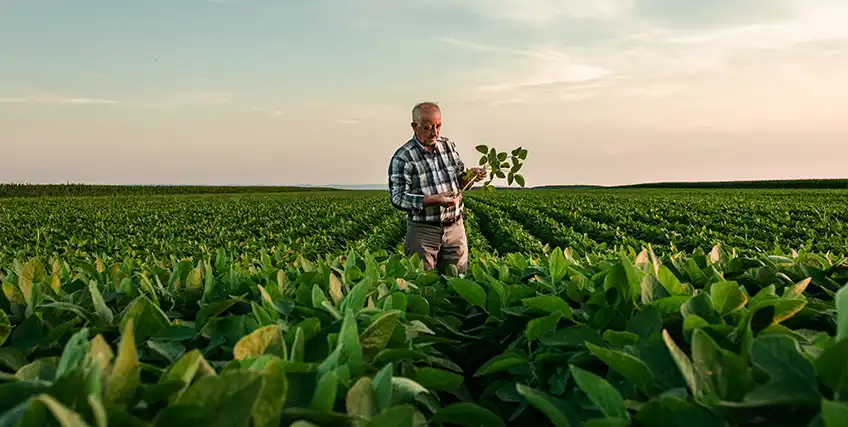
How Agriculture Operating Loans Can Help Farmers Expand and Grow Their Businesses
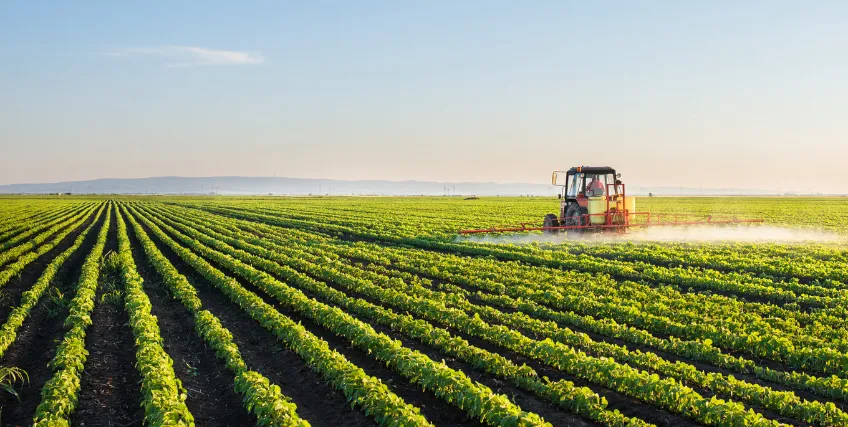
How to Use Farm Operating Loans to Manage Seasonal Cash Flow
FAQs about Best Farm Loans
1. What are the best farm loan interest rates available right now?
Rates change with market conditions, but USDA and FSA programs tend to offer some of the best farm loan interest rates for qualifying borrowers, often below conventional bank rates. Checking with your local USDA service center gives the most current figures.
2. How can I find the best farm loan rates for equipment financing?
Compare offers from USDA-backed lenders, local banks, credit unions, and equipment dealers. Request the annual percentage rate from each so you are comparing true costs, not just monthly payments.