Best Ways to Get Low Ag Loan Interest Rates for Small Farming Businesses
July 01, 2026 | Last Updated on: July 01, 2026

Looking for Business Financing?
Apply now for flexible business financing. Biz2Credit offers term loans, revenue-based financing, lines of credit, and commercial real estate loans to qualified businesses.
Set up a Biz2Credit account and apply for business financing.
Key Takeaways
USDA Farm Service Agency loans usually offer the lowest Ag loan interest rates for eligible producers.
Comparing multiple lenders helps you find competitive Ag loans in your area.
A business plan and good financial records lower your Ag loan interest rates over time.
Government-backed programs reduce risk for lenders, which often translates into better Ag loan interest rates for small farms.
Ag loan interest rates depend on your credit score, collateral, and loan type.
Knowing the difference between operating, ownership, and emergency loans helps you choose the right product for the right needs.
Running a small farming business requires you to make smart financing decisions. Any amount you borrow is shaped by Ag loan interest rates. Even a small difference in interest rates can add up to thousands of dollars over the life of a loan.
Farming income is unpredictable. That’s why it is also considered a risky business. Commercial banks or other lenders may be a little sceptical about lending money. Before you take a loan, you must compare Ag loan interest along with loan origination fees.
This blog aims to explain how agricultural loans work and how AG rates are compared. It also shares steps to qualify for lower financing costs.
What Are Ag Loans?
An Ag loan, short for agricultural loan, is a financing option for farmers, ranchers, and agri-business owners. Lenders structure these loans around farming cash flow.
Ag loans can fund many parts of a farming operation:
Purchasing farmland or expanding existing land.
Buying tractors, irrigation systems, or other heavy equipment.
Covering operating costs like seed, feed, fuel, and fertilizer.
Building or repairing barns, silos, and storage facilities.
Managing cash flow during planting and harvest cycles.
Recovering from drought, flooding, or other production losses.
Lenders evaluate several factors before setting Ag loan interest rates. These include your credit history, farm income, collateral value, debt-to-asset ratio, and the length of the loan term.
How Loan Pricing is Decided
Fixed-rate loans. Your payment stays the same for the entire term, which makes budgeting easier across multiple growing seasons.
Variable-rate loans. Pricing moves with a benchmark, such as the prime rate, SOFR, or Treasury yields, so payments can rise or fall over time.
Blended structures. Some lenders offer a fixed rate for an initial period before converting to a variable structure for the remainder of the term.
Choosing between fixed and variable pricing depends on how much certainty your operation needs versus how much risk you are willing to accept.
Best Farm Loan Options
Different lenders serve different needs, and matching your situation to the right source makes the difference. Here are the top sources to consider:
USDA Farm Service Agency (FSA) loans. These are widely considered the best farm loans for new and underserved producers, since the government sets favorable terms and partially guarantees the debt.
Farm Credit System lenders. This cooperative network specializes only in agriculture, which often results in more competitive Ag loan interest rates than a general community bank.
Community and regional banks. Local banks understand regional farming conditions and may offer flexible terms for established operations with strong credit.
Online agricultural lenders. These lenders move quickly and approve loans with less paperwork, though their Ag loan interest rates tend to run higher than government or cooperative programs.
Equipment manufacturer financing. Companies that sell tractors and machinery sometimes offer promotional rates tied to specific equipment purchases.
Credit unions with agricultural programs. Member-owned structures can sometimes pass on lower overhead costs in the form of better pricing.
To get the best farm loan interest rates, follow these steps before you apply:
Check your personal and business credit reports for errors and dispute anything inaccurate.
Gather two to three years of farm financial statements and tax returns.
Build a clear repayment plan tied to your harvest, calving, or production cycle.
Get quotes from at least three lenders before signing anything.
Ask each lender about origination fees, prepayment penalties, and rate-lock policies.
Consider whether a fixed or variable rate structure fits your operation's risk tolerance.
Producers who shop around and prepare strong documentation consistently land lower FSA Ag loan interest rates, regardless of farm size. A few benchmarks lenders commonly look at:
Credit score. Most agricultural lenders prefer a score of 680 or higher for the most favorable pricing, though FSA programs allow more flexibility.
Debt-service coverage ratio. Lenders want to see that your farm income comfortably covers existing and proposed debt payments.
Collateral position. Offering land, equipment, or other assets as security generally improves your pricing compared to an unsecured request.
Time in operation. Established farms with several years of consistent records are viewed more favorably than first-year operations.
Types of Farm Loans
Understanding the differences among the types of loans will help you avoid borrowing the wrong product for the job and secure better Ag loan interest rates.
Common categories include:
Operating loans: These cover short-term costs like seed, fertilizer, fuel, and labor, and are typically repaid within a year from sales revenue.
Farm ownership loans: Used to buy, expand, or refinance land, these loans carry longer terms and lower Ag loan rates compared to short-term operating credit.
Farm equipment loans: Designed for tractors, combines, and machinery, often secured by the equipment itself, which can support a lower rate.
Livestock loans: Cover the purchase of cattle, poultry, or other livestock, with repayment tied to sale or breeding cycles.
Emergency loans: Available after natural disasters to help producers recover lost income or repair damaged property.
Microloans: Smaller loans, often under $50,000, aimed at beginning farmers, niche operations, or specialty crop producers.
Storage and facility loans: Low-interest financing for building or upgrading on-farm storage and handling equipment.
Each loan type carries its own Ag loan interest rate structure. Short-term operating loans often carry slightly different Ag loan interest rates than long-term ownership loans. This is because the lender's risk profile changes with the term.
A practical way to think about it:
Short repayment window plus liquid collateral usually means a more favorable rate.
Long repayment window plus real estate collateral usually means a stable, predictable rate over many years.
Unsecured or disaster-related lending tends to carry the most variability, since risk is harder to price.
Matching the loan type to its actual purpose, instead of using one loan to cover everything, keeps your overall borrowing costs predictable and your Ag loan interest rates as low as your eligibility allows.
Farm Loan Programs by the US Government
The federal government plays a major role in keeping Ag loan interest rates affordable for American farmers. The USDA Farm Service Agency runs several programs built specifically for this purpose, and rates are reviewed and published on a regular basis.
Key federal programs include:
FSA Direct Operating Loans: Issued directly by the government, these loans help cover annual operating expenses, with rates set monthly based on the government's cost of funds.
FSA Direct Farm Ownership Loans: Used to purchase, enlarge, or improve farmland, these loans offer some of the best farm loan interest rates available to eligible borrowers, paired with long repayment terms.
FSA Guaranteed Loans: The government guarantees up to 95 percent of a loan made by a commercial lender, which lowers the lender's risk and often results in better terms for the borrower.
Microloan Program: A streamlined application process for loans up to $50,000, ideal for beginning and small-scale producers who need a faster path to capital.
Emergency Loan Program: Provides relief financing to producers in counties officially declared disaster areas by the federal government.
Commodity and Storage Facility Loans: Low-interest financing, funded through the Commodity Credit Corporation, for building or upgrading on-farm storage and handling equipment.
It helps to understand the difference between the two main FSA structures. Direct loans are funded and serviced by FSA staff at local county offices, with pricing set monthly. Guaranteed loans, by contrast, are funded and serviced by an approved commercial lender, with the government simply backing a large share of the balance. Guaranteed loans often process faster, while direct loans are typically reserved for borrowers who cannot secure financing elsewhere.
To qualify for these programs, you generally need to:
Operate as the primary operator of a family-sized farm.
Be current on any existing federal debt obligations.
Demonstrate the ability to repay the loan from projected farm income.
Show that you cannot obtain comparable credit through commercial channels alone for most direct loan programs.
Rates are published monthly and can shift with broader economic conditions, including Federal Reserve policy and Treasury yields. Contacting your local USDA Service Center or reviewing the FSA's published rate notices is one of the most reliable ways to access the program details.
Conclusion
Securing affordable financing is an important decision for a small farming business. Ag loan interest rates directly affect your monthly payments, your profitability, and your ability to reinvest in your operation.
Start by exploring government-backed programs through the USDA Farm Service Agency, term loans or other lines of credits. Compare them against Farm Credit System lenders, community banks, and online options before making a final decision.
With the right preparation and the right lender, your farming business can access financing that supports growth instead of holding it back. Take the time to compare your options now, and you will spend less time worrying about repayment later.
Agribusiness Loans Articles
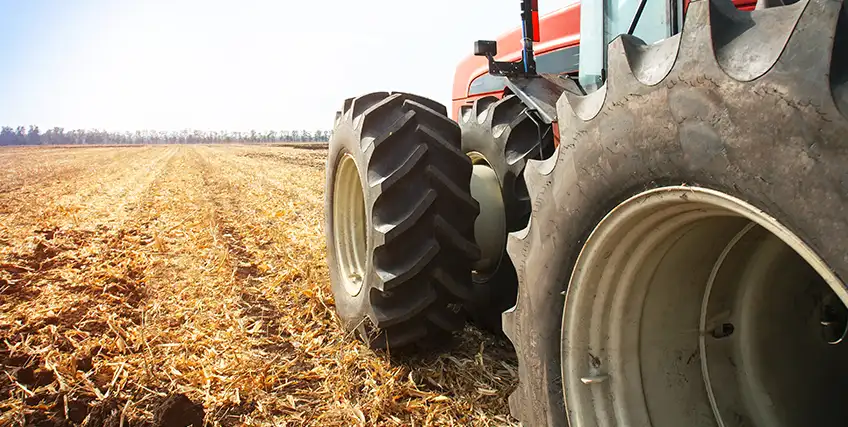
Best Farm Loans for Equipment and Machinery: How to Finance Tractors, Harvesters, and More
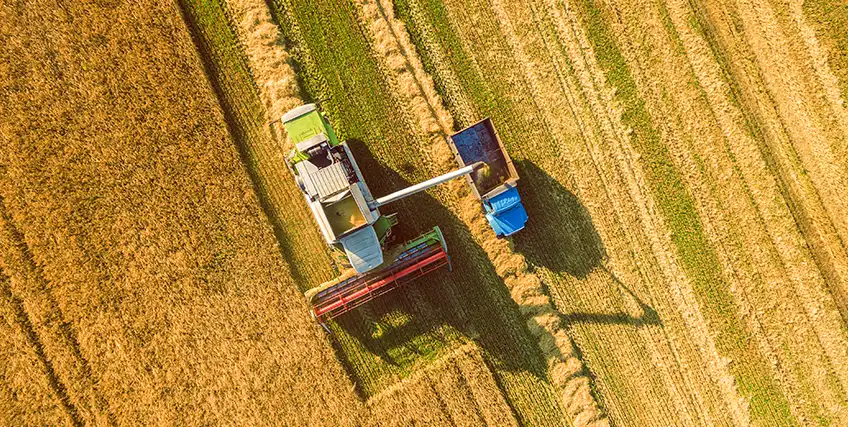
What Determines Ag Loan Rates: 8 Factors That Can Affect Your Farm Financing Cost
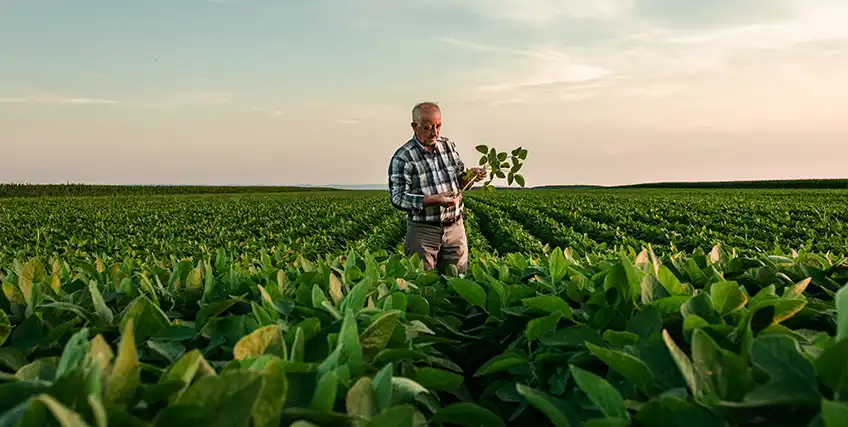
How Agriculture Operating Loans Can Help Farmers Expand and Grow Their Businesses
FAQs about Ag Loan Interest Rates
1. What are the current Ag loan rates?
Current FSA loan interest rates are between 3.750% - 5%, (as of June 1, 2026), depending on the loan type, term, and lender.
2. What credit score is needed for an Ag loan?
As with any loan, the exact credit score needed for a farm loan depends on the lender and the type of loan you are applying for.
3. What is the maximum loan amount for USDA farm loans?
The maximum loan amount for USDA Farm Service Agency (FSA) loans depends on the specific loan program. The maximum loan amount is $2,251,000 with a maximum repayment term of 30 years.
4. Can you get a small business loan to start a farm?
Yes, you may get a small business loan through FSA's "Beginning Farmer" direct and guaranteed loan programs. Farm ownership loans can provide access to land and capital.
5. What will disqualify you from a USDA loan?
You may be disqualified from a USDA loan if you have a high debt-to-income (DTI) ratio, lack stable employment, or exceed local income limits.
Term Loans are made by Itria Ventures LLC or Cross River Bank, Member FDIC. This is not a deposit product. California residents: Itria Ventures LLC is licensed by the Department of Financial Protection and Innovation. Loans are made or arranged pursuant to California Financing Law License # 60DBO-35839