Some of the Best Loans for Small-Scale Manufacturing Units
February 17, 2026 | Last Updated on: February 17, 2026

By Anjali Patel
Looking for Business Financing?
Apply now for flexible business financing. Biz2Credit offers term loans, revenue-based financing, lines of credit, and commercial real estate loans to qualified businesses.
Set up a Biz2Credit account and apply for business financing.
Key Takeaways
- Small-scale manufacturing units rely on external funding to manage working capital and long production cycles.
- There are different types of small factory loan options available including SBA loans, term loans, lines of credit, equipment loans, and working capital loans., equipment loans, and working capital loans.
- SBA 7(a) and SBA 504 loan programs are one of the common Micro, Small, and Medium Enterprises (MSME) loans for manufacturing companies available for expansion and fixed assets.
- Lenders evaluate cash flow, credit score, credit history, and business plans before approving business loans for manufacturing units.
Business owners can choose the right machinery loan for small factories depending on their business needs, repayment capacity, and funding purpose.
- To avoid financial stress, understanding interest rates, repayment terms, and upfront costs help when applying for business financing options.
The United States of America is world's second-largest manufacturer after the People's Republic of China. The largest subsector is chemical manufacturing, followed by food, beverage, and tobacco products. Hence, small-scale manufacturing units form the backbone of the manufacturing industry.
Various small businesses support local economies and supply chains from producing essential components to supplying finished goods. But, to run this industry, manufacturing businesses need a constant supply of funds into their pocket. Because expenses related to raw materials, labor, machinery, production lines, and utilities often create cash flow pressure.
To bridge all these financial gaps in today's time, business owners can rely on business loans for manufacturing units. These loans offer substantial capital to manage day-to-day operations, invest in new equipment, or expand facilities. This article explains all about the popular financing solutions for small manufacturers, how lenders evaluate borrowers, and how business owners can choose the most suitable loan options.
What Are Small-Scale Manufacturing Units
Small-scale manufacturing units are small businesses that are engaged in producing goods on a limited scale. They often serve regional or niche markets only. The units usually operate with fewer employees, moderate revenue, and controlled capital investment compared to large manufacturing companies.
Some of the examples of small-scale manufacturing units include food processing plants, textile units, auto-parts suppliers, packaging manufacturers, furniture makers, and small electronics assemblers. Since these units are smaller in size, they still require investment in manufacturing equipment, fixed assets, and inventory.
Small manufacturers often face liquidity challenges due to longer production cycles and delayed receivable collections. Therefore, this makes manufacturing financing an important branch of sustaining operations and meeting growth strategies for small businesses.
Why Small-Scale Manufacturers May Need Business Loans for Manufacturing Units
Every business owner knows that the manufacturing business is inherently capital-intensive. Unlike services-based businesses where business owners offer different kinds of services, manufacturers must invest upfront in raw materials, machinery, and labor before revenue starts coming in.
Manufacturers may need business loans for manufacturing units for:
Managing cash flow gaps that are caused by delayed receivable payments.
- Purchasing raw materials in bulk to reduce costs.
- Investing in new equipment or upgrading existing machinery.
- Supporting production lines during peak demand periods.
- Covering payroll and operating expenses.
- Expanding facilities or acquiring real estate for business purposes.
In short, without reliable business loans for manufacturing units even profitable companies may struggle to meet operational demands or accept large orders.
Types of Business Loans for Manufacturing Units
Small business owners can choose from a range of business loans for manufacturing units options depending on their business goals.
SBA Loans
Term Loans
Business Lines of Credit
Equipment Financing
Working Capital Loans
The Small Business Administration (SBA) loans are government-backed business loans and are one of the most popular small business loan options available. They offer lower interest rates along with longer repayment terms for qualified applicants. Also, these business loans reduce risk for the lender by offering partial guarantees. reduce risk for the lender by offering partial guarantees.
Manufacturing business owners can use SBA 7(a) loans for working capital, refinancing existing debt, or new equipment purchases. While SBA 504 loans are designed for long-term financing or fixed assets such as real estate, manufacturing equipment, and large machinery. Hence, these manufacturing business loans often involve certified development companies and non-profit intermediaries.
Term loans are business loan options that offer lump sum loan amount upfront through traditional banks, credit unions, and financial institutions. Business owners can repay these loans over a set period of time in easy monthly payments.
Manufacturing business can use term loans to finance expansion projects, add production capacity, purchase manufacturing equipment, or invest in new facilities. These business loans for manufacturing units are usually for planned and long-term business needs with predictable repayment schedules.
A business line of credit is a flexible funding option that offers easy and quick access to funds up to a pre-approved credit limit. Business owners can draw funds when they need, what they need, and pay interest only on the loan amount used.
Manufacturers can use line of credit to manage short-term working capital needs, purchase raw materials, or handle seasonal demand spikes. Hence, this flexibility often helps maintain smooth cash flow without committing to a full loan amount upfront.
Equipment financing can be used to purchase business assets such as tools, technology, and machinery. Business owners can pay in easy monthly installments for the equipment instead of paying full amount upfront. Also, the best part, the equipment itself serves as collateral, which in turn reduces risk for the lender.
Manufacturing businesses can use equipment loans to acquire new equipment, upgrade production lines, or replace outdated machinery. These business loans for manufacturing units reduce burden of large upfront costs while supporting operational efficiency.
Working capital loans are short-term business loan options that offer smaller loan amounts. These small factory loans are generally used to support daily business operations.
Manufacturing companies can use working capital loans to cover payroll, inventory purchases, and supplier payments. Hence, these business loans for manufacturing units are especially useful during slow receivable cycles or periods or rapid growth.
Eligibility Criteria for Business Loans for Manufacturing Units
Business owners can apply for different types of business loans for manufacturing units, but they need to understand the eligibility requirements first. As these requirements vary by lender and loan programs, here are some of the common factors that lender typically consider:
- Annual revenue and consistent cash flow
- Credit score and overall creditworthiness
- Credit history of the business and borrowers
- A solid business plan outlining growth and repayment strategy
- Collateral availability, including fixed assets or equipment
However, startup manufacturing units may face stricter eligibility requirements due to limited credit history. But there are alternative financing solutions such as invoice factoring, microloans, or merchant cash advances that are a bit easier to get approved.
How to Choose the Right Manufacturing Business Loan
For small business owners, choosing the right loan option depends on aligning the loan structure with business needs. This is because short-term business expenses require different loan options compared to long-term investments.
Hence, business owners should evaluate factors like:
- Repayment terms and flexibility
- Interest rates and borrowing costs
- APR (annual percentage rate)
- Loan amount and funding speed
- Origination fees and prepayment penalties
- Down payments and upfront requirements
- Suitability for manufacturing needs
The bottom line is that business owners should always compare traditional banks, gov-backed programs, and alternative lending options that help identify them the most practical business financing solution.
What Lenders Look For
Lenders do assess risk before approving for business loans for manufacturing units. This is because their evaluation focuses on the borrower's ability to repay.
Hence, lenders generally look for:
Strong credit score and clean credit history
- Stable and predictable cash flow
- Clear use of funds that are aligned with business needs
- Efficient production processes and order pipeline
- Management experience in the manufacturing industry
Hence, having a strong business loan application from borrower's end demonstrates reliability and reduces perceived risk.
How to Apply for Business Loans for Manufacturing Units
To apply for business loans for manufacturing units, business owners can follow these steps:
- The first step is to identify the suitable business financing options.
- Then business owners need to gather all the necessary financial documents and tax records.
- Next come submitting a detailed business plan.
- Then business owners need to provide information on collateral or fixed assets.
- Lastly, completing lender-specific documentation.
Hence, manufacturers that organize records in advance often experience faster approvals and smoother communication with lenders.
The Bottom Line
Business loans for manufacturing units play an important role in helping small-scale manufacturing units grow and remain competitive. These loans help businesses manage working capital, finance equipment purchases, invest in expansion, and align daily business operations.
But, before applying for these loans, understanding eligibility requirements, lender expectations, and available financing solutions are important steps of the ladder to make informed decisions. Hence, careful planning and thoughtful selection of loan programs help ensure that manufacturing businesses resilient and positioned for sustainable growth.
Loans for Small Factories Articles
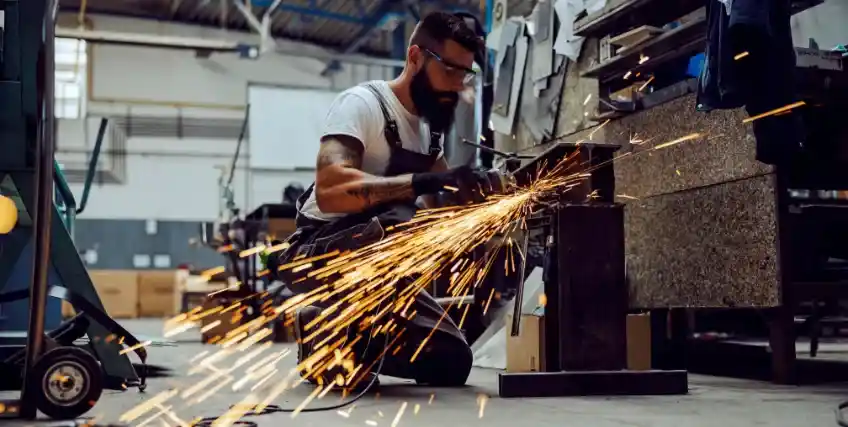
Using Loans for Small Factories to Manage Cash Flow and Seasonal Production Cycles

Are Loans for Small Factories Right for Your Manufacturing Business Key Factors to Consider
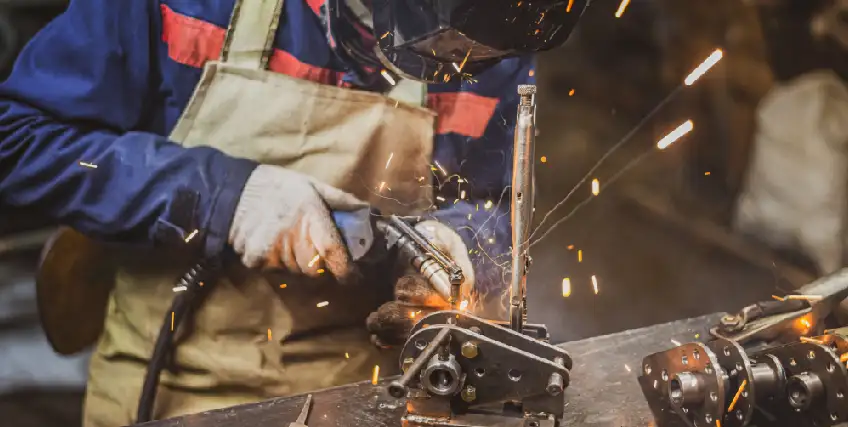
How Loans for Small Factories Help Manufacturers Upgrade Equipment and Scale Operations
FAQs About Business Loans for Manufacturing Units
1. What are the best business loans for small-scale manufacturing units?
The best business loans for small-scale manufacturing units depend on business needs. Some of the common options include term loans for expansion, working capital loans for daily operations, equipment loans for machinery purchases, and SBA loans for long-term financing with structured repayment terms.
2. Can small manufacturers apply for SBA loans?
Eligible manufacturing businesses can apply for SBA loans through approved lenders. Loan programs like SBA 7(a) and SBA 504 loans are widely used by manufacturing companies for working capital, equipment financing, and real estate purchases.
3. How do lenders decide eligibility for manufacturing business loans?
Lenders assess eligibility based on factors such as cash flow, credit score, credit history, time in business, revenue consistency, and the borrower's overall creditworthiness. Hence, having a clear business plan and stable operations improve approval chances.
4. Are equipment loans suitable for manufacturing businesses?
Equipment loans are specifically designed for manufacturing equipment purchases. Small manufacturers can use equipment financing to buy new equipment, upgrade production lines, or replace outdated machinery without heavy upfront costs.
5. Can startup manufacturing businesses qualify for business loans?
Startup manufacturing businesses may qualify for certain loan programs, though eligibility requirements are usually stricter. Some lenders offer small business loans, MSME loans for manufacturing, or government-backed initiatives designed to support early-stage manufacturing units.
