Are Loans for Small Factories Right for Your Manufacturing Business Key Factors to Consider
July 19, 2026 | Last Updated on: July 19, 2026

By Anjali Patel
Looking for Business Financing?
Apply now for flexible business financing. Biz2Credit offers term loans, revenue-based financing, lines of credit, and commercial real estate loans to qualified businesses.
Set up a Biz2Credit account and apply for business financing.
Key Takeaways
Loans for factory construction help business owners manage cash flow and working capital when operating costs increase or payments slow down.
- There are different types of factory financing options available, serving different factory needs.
Business owners can choose from different types of loan options including SBA loans, term loans, business lines of credit, equipment financing, and others.
- When applying for factory construction loans, small business owners should compare interest rates, repayment terms, and loan amounts.
- Small factory loans benefit small business owners when they have a detailed business plan, stable cash flow, and realistic monthly payments.
- Lenders review credit history, personal credit, and credit score when approving small factory loan benefits for small business owners.
Small factories in the United States keep the manufacturing industry moving. Every day, business owners balance production schedules, labor costs, and supplier payments. At the same time, the margins stay tight, and business expenses continue to rise.
In the manufacturing industry, moments arrive when growth opportunities outplace available cash. For example, having a new contract demands more inventory, aging machines slow output, and facility upgrades become unavoidable. Therefore, during these phases business financing becomes a practical consideration for small factory owners.
Business owners can seek small factory loan benefits that help bridge these cash flow gaps. These small business loans support working capital, fund equipment purchases, and stabilize cash flow. Moreover, borrowing also affects long-term operations and financial health.
This article breaks down how small factory loans benefit small business owners. It also explains risks, types of loan options, and key factors to consider, so that business owners can decide with clarity and confidence.
What Are Loans for Small Factories
Loans for small factories are business financing solutions designed for manufacturing operations. These small business loans support for-profit businesses that are involved in production, assembly, or processing. Before seeking small factory loan benefits, lenders review several factors. These include cash flow, business operations, credit history, personal credit, and overall creditworthiness.
However, loan programs vary based on lender and type of loan. Some of the small factory loan benefits working capital. While others support equipment purchases, real estate, or factory construction. Additionally, repayment structures depend on loan amount and repayment terms. And, monthly payments bring predictability for business owners.
Common Reasons Small Factories Apply for Loans
Small factories in the U.S. apply for business loans to solve real operational challenges. This is because each reason connects directly to production and business growth.
Small business owners apply for small factory loans benefits for:
Working Capital Support: Business funding covers payroll, utilities, insurance, and raw materials. It also helps business owners manage cash flow issues between customer payments.
Equipment Purchases and Upgrades: Small business loans support new equipment purchases that improve productivity. Because modern machines often reduce downtime and long-term operating costs.
Factory Expansion and Construction: Loans for factory construction support facility expansion and modernization. These loans can be used to fund long-term production growth.
Commercial Real Estate Ownership: Commercial real estate loans allow factories to purchase necessary production facilities. As a result, this helps stabilize long-term expenses.
Inventory Buildup: Inventory financing options support raw material purchases for large or seasonal orders.
Hence, each small factory loan benefit reflects a practical business need for small business owners, tied to operations.
Small Factory Loan Benefits
Before considering the different factory financing options, it’s important to understand that each loan option comes with a particular structure and offers stability when used wisely.
Here are some of the common small factory loan benefits:
Improved cash flow management: Small business loans help factory businesses smooth revenue gaps during slow periods.
Predictable repayment schedules: For small business owners, defined repayment terms allow better budgeting and planning.
Access to larger funding options: Manufacturing business owners can choose from a wide variety of loan programs available that offer higher capital than credit cards.
Preserved internal reserves: Business financing protects savings for emergencies or strategic use.
Support for business operations: Having stable business funding helps manufacturers maintain production continuity.
In short, all these small factory loan benefits strengthen operations when borrowing decisions align with different business needs.
Types of Financing Options Used by Factory Owners
There are different types of financing options available that support different factory business goals. However, understanding each financing option helps borrowers choose the right fit for their business needs.
- SBA Loans
- Term Loans
- Business Line of Credit
- Equipment Financing
- Inventory Financing
SBA loans are backed by the U.S. Small Business Administration and are one of the common small business loan options for business owners. These loans offer lower interest rates along with longer repayment terms for qualified business owners. SBA 7(a) loan programs can be used to support working capital, equipment purchases, and commercial real estate. For small factory loan benefits, SBA loans offer long-term investments with competitive rates and flexible terms. However, it is important to note that SBA doesn’t have a specific ‘factory loan’, but it can be used by factory owners.
Term loans are traditional business loan options that offer a lump sum loan amount upfront. These small business loans come with predictable repayment terms, including fixed or variable interest rates. Term loans are usually offered by banks and credit unions. Small factories can use term loans to support equipment purchases, facility upgrades, and refinancing.
A business line of credit is a flexible funding option that offers revolving credit up to a set credit limit. Business owners can draw funds when they need pay interest only on the amount used. Lines of credit can be used as small factory loan benefits to cover short-term cash flow gaps and unexpected operating costs.
Equipment financing is a funding option that allows businesses to purchase assets including machines, tools, and technologies. Here the equipment itself serves as collateral, reducing the risk for the lenders. Equipment financing can be used for small factory loan benefits to purchase new equipment without paying large upfront costs.
Inventory financing is a business funding tool that supports material purchases. These loans can be used for small factory loan benefits to cover short-term inventory needs. Also, these loan programs support production cycles and seasonal demand.
Factors to Consider Before Taking a Small Factory Loan
It is important to understand that every small factory loan benefit requires careful evaluation. This is because different factors often protect borrowers from future financial strains.
So, before applying for small factory loan benefits, here are some of the important factors to consider:
Cash flow and working capital: Reliable cash flow supports consistent monthly payments.
Interest rates and total cost: Low interest rates reduce long-term borrowing pressure.
Loan amount alignment: The loan amount should match real business needs and should align with small factory loan benefits.
Credit profile strength: Credit score, personal credit, and credit history affect eligibility.
Repayment terms and flexibility: Flexible terms help align payments with revenue cycles.
Lender requirements: Financial institutions follow underwriting rules, disclosures, and eligibility criteria.
Therefore, the small factory loan application process often includes income verification and business plan review. So, it’s important to review all these factors for small factory loan benefits as online lenders, credit unions, and business banks each follow different standards.
When a Business Loan Makes Sense for Small Factories
Small factory loan benefits often support growth timing and business purpose when applied carefully. They make sense when:
Revenue remains stable: Predictable income supports repayment.
A clear business plan exists: Defined goals guide fund usage.
Expansion or modernization is planned: Financing supports equipment purchases or facility improvements.
Refinancing improves structure: Refinancing replaces high-cost debt with competitive rates.
Hence, startup manufacturers may qualify for some of the loan programs if eligibility criteria are met.
When a Loan May Not Be the Right Choice for Small Factories
Borrowing requires caution in some situations. A loan may not fit when:
Cash flow issues persist: Instability complicates repayment.
Credit challenges exist: Bad credit can increase interest rates.
Debt levels are already high: Additional loans reduce flexibility.
Short-term funding covers long-term needs: Mismatched timelines create strain.
Hence, small factory owners need to look for other funding options that may better outcomes in these cases.
Final Words
Loans for small factories play a major role in U.S. manufacturing. When used thoughtfully, they support stability, growth, and modernization. Business owners benefit from understanding lenders, loan options, and repayment structures before applying. Clear planning protects cash flow and long-term creditworthiness. Hence, factory financing works best when aligned with realistic goals and disciplined management.
So, are you thinking about financing your next factory milestone? If yes, then compare loan options, review eligibility requirements, and connect with trusted financial institutions to move forward with confidence.
Loans for Small Factories Articles
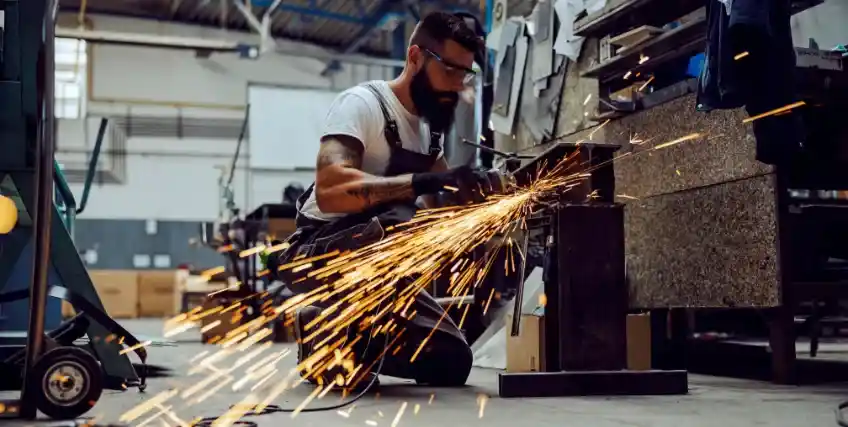
Using Loans for Small Factories to Manage Cash Flow and Seasonal Production Cycles
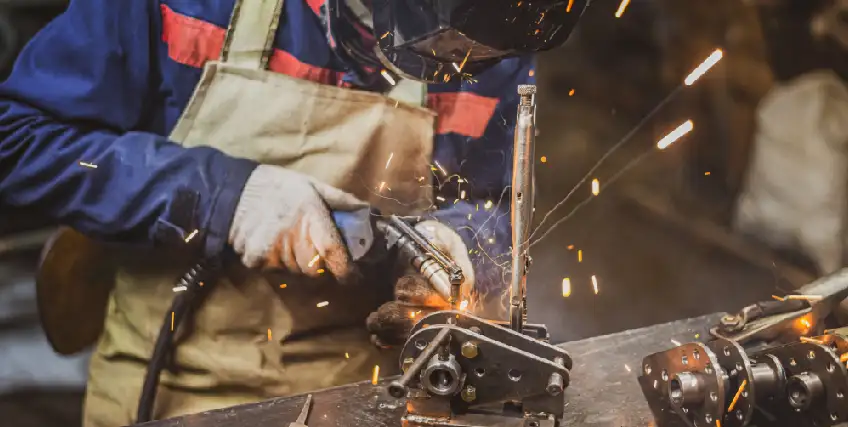
How Loans for Small Factories Help Manufacturers Upgrade Equipment and Scale Operations

Some of the Best Loans for Small-Scale Manufacturing Units
FAQs About Small Factory Loan Benefits
1. What loan amount can a small factory qualify for?
Loan amount depends on revenue, cash flow, and creditworthiness. Lenders also review business needs and repayment ability.
2. Can a factory startup apply for small business loans?
Startup factories can apply for loan programs with specific eligibility criteria. A strong business plan and good personal credit improve approval chances. Some SBA loans support early-stage manufacturing businesses.
3. How long does the loan application process take?
The application process varies by lender. Online lenders may approve faster than business banks or credit unions. Underwriting and document review usually take several days to weeks.
4. Do small factory loans require collateral?
Some types of loans require collateral like equipment or real estate. Factory construction loans and real estate loans often involve asset backing. Lenders explain collateral rules in disclosures.
5. Can I use a business line of credit for factory operating costs?
A business line of credit works well for short-term operating costs. It helps manage payroll, utilities, and inventory purchases. Interest applies only to the used amount.