Tips to Get Approved for Campervan Financing
July 28, 2026 | Last Updated on: July 28, 2026

By Anjali Patel
Looking for Business Financing?
Apply now for flexible business financing. Biz2Credit offers term loans, revenue-based financing, lines of credit, and commercial real estate loans to qualified businesses.
Set up a Biz2Credit account and apply for business financing.
Key Takeaways
- Campervan businesses rely on smart financing to expand vehicle fleets.
- The right campervan financing options help business owners secure competitive rates.
Lenders review credit score, credit history, and business cash flow when applying for financing a campervan business.
When applying for financing RV campervans, having a complete credit application speeds up the loan decisions.
Business owners need to have strong and clear business plans when applying for campervan financing options.
The campervan travel industry in the United States has grown into a profitable business space. There are several entrepreneurs offering campervan rental services, guided van life tours, and full-time travel experiences. However, expansion in this industry requires consistent access to funding for business owners.
Financing a campervan business helps business owners purchase vehicles without exhausting cash reserves. These business financing options often come with predictable monthly payment structures that allow better expense planning.
This article explains all about financing a campervan business for commercial use. It also covers some of the best ways to finance a campervan business and campervan loan approval tips for business owners.
Understanding Campervan Business Financing
Financing a campervan business refers to business loans and lease programs that are designed for commercial vehicle purchases. These loan programs help business owners and entrepreneurs acquire recreational vehicles that generate revenue for their business. Also, lenders treat campervans as working business assets.
Personal RV financing differs from traditional business lending. Financing a campervan business requires business owners to present revenue reports, financial records, and operating plans. Hence, having clear knowledge of financing terms help business owners avoid costly decisions later. Moreover, strong preparation helps improve eligibility for better rates and flexible terms.
Why Financing a Campervan Business is Important
Campervan businesses often operate in a high-investment environment. Thus, financing a campervan business supports long-term growth without draining working capital.
Here’s why financing a campervan business is important for business owners:
Manages high vehicle costs: Since campervan purchases require larger upfront investment, financing helps business owners spread costs into stable monthly payments.
Preserves working capital: Financing a campervan business allows them to use cash reserves for staffing, insurance, repairs, and marketing needs.
Supports faster fleet expansion: RV loans help businesses to purchase multiple vehicles at once. As a result, large fleets increase booking capacity.
Enables upgrades to new models: Financing a campervan business helps business owners purchase new RV units and invest in modern van conversions that attract premium travelers and full-time vanlife clients.
Strengthens business stability: Getting structured loan terms help businesses forecast expenses and maintain steady cash flow.
Builds long-term asset ownership: Getting paid vehicles become business assets with resale or trade-in value.
Types of Financing Options for Campervan Business Owners
There are different types of financing options available for business owners. However, when choosing the right financing option, business owners need to understand each loan type and choose wisely to make the better decisions.
- SBA Loans
- Term Loans
- Equipment Financing
- Equipment Leasing
- Commercial Auto Loans
SBA loans are government-backed loan programs that support small business growth. These loans can be used to finance campervan fleets and support business operations. However, business owners need to have organized financial records, and clear repayment plans to qualify for SBA loans. Also, these loans offer lower interest rates and longer repayment terms for qualified applicants, making it an ideal option for large loan amount needs. It is important to note that while the SBA doesn’t have specific ‘campervan financing’ product, the SBA products can be used for this purpose
Term loans are traditional business financing options that provide a lump sum loan amount upfront. These loans often come with predictable repayment schedules, offered through banks and credit union lenders. Term loans can be used by campervan business owners to purchase vehicles upfront. Hence, these loans work well for predictable revenue streams.
Equipment financing is a funding option that allows business owners to purchase business assets such as tools, vehicles, and machines. Here campervan can be used as collateral, working as a secured loan structure. Many online lenders offer equipment financing for recreational vehicles. However, approval for this loan option focuses more on credit score and business performance.
Another option for financing a campervan business includes equipment leasing. Here, the leasing option provides access to vehicles without ownership. Business owners can pay for the usage through flexible terms. This option helps businesses conserve cash during early business growth. There are many RV dealership networks that offer leasing for Class B RVs and motorhomes. Also, this option comes with lease-end buyouts and upgrades.
Commercial auto loan programs help businesses fund vehicle purchases. These loans cover campervan fleets, travel trailers, and service units. Here the loan rates often depend on credit history and down payment size. Many borrowers use trade-in vehicles to reduce loan amount needs. Moreover, commercial auto loans cover used RV inventory purchases.
Tips to Get Approved for Financing a Campervan Business
When financing a campervan business, preparation makes a major difference in the loan approval success. Here are the different steps that provide practical campervan loan approval tips for business owners.
Know What Your Lender Looks For
Strengthen Credit Profiles
Prepare Financial Documents
Plan a Solid Down Payment
Choose the Right Financing Options
Build a Strong Business Plan
Apply With Specialized Lenders
Get Pre-Approved
Avoid Common Approval Mistakes
Every lender evaluates financial stability before approval. Thus, having a strong credit score and credit history receive close attention. Business revenue trends also influence eligibility. Lenders review existing car loans, personal loans, and debt obligations. Balanced financial profiles support access to competitive rates.
Credit strength builds lender confidence. Business owners benefit from reviewing credit reports regularly. Correcting errors improves credit application outcomes. Higher credit score levels unlock better rates. Lower debt balances reduce risk perception.
Organized documentation speeds up loan processing. Lenders request tax returns, bank statements, and revenue reports. Business licenses and registration papers also matter. Complete files reduce back-and-forth communication. Professional presentation builds trust.
Down payment contributions lower lending risk. Larger upfront payments reduce financed loan amount. Many RV financing programs expect visible down payment commitment. Trade-in options also reduce financing needs. Existing vehicles or used RV units help offset purchase costs.
Every business has unique financial goals. Some owners prefer equipment financing for faster decisions. Others choose SBA or term loans for longer financing terms. Comparing campervan financing options helps secure best rates. Business owners should review interest rate offers carefully.
Business plans show lenders repayment capability. Revenue forecasts, booking projections, and maintenance budgets guide decisions. Plans demonstrate long-term sustainability. Vanlife travel demand supports business growth potential. Full-time travellers often seek reliable rental services.
Specialized online lenders understand the recreational vehicles industry. Many RV dealership financing departments support commercial purchases. Credit union institutions also offer relationship-based lending. In person meetings help explain business strategy. Strong lender relationships support future borrowing.
Pre-approved offers clarify borrowing power. Pre-approval strengthens negotiating position at any RV dealership. It also confirms realistic loan rates. Pre-approved status helps secure new RV inventory faster. Dealership teams respond quicker to prepared borrowers. It is important to note that the pre-approval does not guarantee funding.
Incomplete loan application files delay processing. Overstated revenue projections reduce credibility. Unrealistic financing terms create rejection risk. Accurate records and honest reporting build lender trust and help improve approval outcomes.
What Happens After Approval for Financing a Campervan Business
Loan approval signals the transition from planning to action. Hence, following clear next steps keep the process smooth for financing a campervan business:
-
Funds are released to the seller: The lender transfers the loan amount directly to the dealership or vehicle supplier.
-
Vehicle selection is finalized: Business owners choose campervan models, Class B RVs, or used RV units based on fleet goals.
-
Registration and insurance are completed: Commercial auto coverage protects recreational vehicles and travel trailers.
-
Down payment and trade-in adjustments apply: Any down payment or trade-in value is processed during purchase.
-
Monthly payment schedule begins: Repayment starts based on agreed financing terms and interest rate.
-
Business credit profile strengthens: On-time payments improve credit history and expand future eligibility.
Final Words
Campervan businesses thrive with smart funding strategies. Strong preparation, organized records, and healthy credit history open financing doors. The best way to finance a campervan always starts with understanding lender expectations.
Financing a campervan business supports fleet expansion, customer growth, and long-term stability. The right financing RV camper approach helps secure competitive rates and flexible terms. Every borrower benefit from knowing loan rates, financing terms, and eligibility requirements.
So, if you are looking for campervan financing options, start preparing your credit application today. Connect with a trusted lender, credit union, or online lenders and explore campervan financing options that move your business forward.
Campervan Business Loans Articles

How Credit Score Impacts the Best RV Loan Rates You Can Qualify For
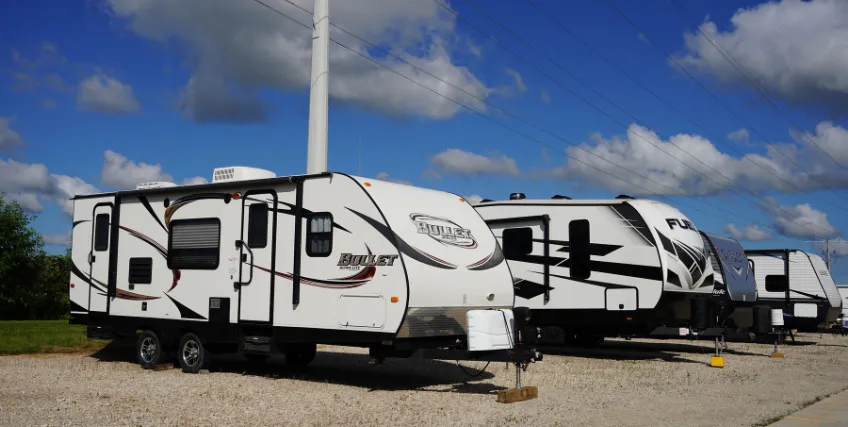
Campervan Finance Made Easy: How to Get Approved with Better Rates
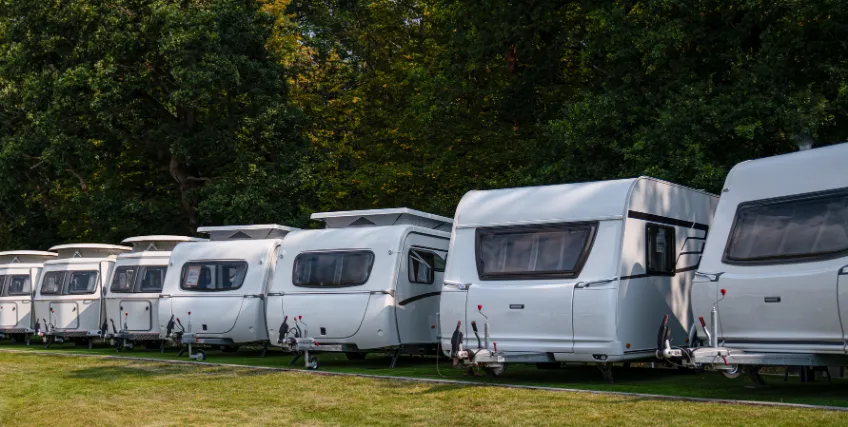
How to Choose the Best RV Financing Based on Your Business Need
FAQs About Financing a Campervan Business
1. What credit score is needed for campervan financing?
Most lenders prefer a fair to strong credit score for campervan financing. Business borrowers with stronger credit history often receive better rates and flexible terms. Some online lenders and credit union programs also consider revenue performance for eligibility.
2. Can a startup campervan business qualify for financing?
New campervan businesses can still access financing options. Lenders may request a solid business plan, projected revenue, and a personal credit application. A larger down payment can also improve loan approval chances.
3. What is the best way to finance a campervan for business use?
The best way to finance a campervan depends on business goals and cash flow. Some owners choose equipment financing for faster approvals. Others prefer SBA loans or commercial auto loan programs for longer loan terms and stable monthly payment structures.
4. How much down payment is required for campervan financing?
Most lenders expect a down payment for campervan financing. The amount depends on loan amount, credit score, and financing terms. Trade-in vehicles can also reduce upfront payment needs.
5. Can I finance a used RV or only a new RV?
Many lenders approve financing for both new RV and used RV purchases. Loan rates and interest rate offers may vary based on vehicle age and condition. Used RV financing often works well for fleet expansion at lower costs.