How to Get Approved for Investment Property Loans Quickly
July 08, 2026 | Last Updated on: July 08, 2026

Looking for Business Financing?
Apply now for flexible business financing. Biz2Credit offers term loans, revenue-based financing, lines of credit, and commercial real estate loans to qualified businesses.
Set up a Biz2Credit account and apply for business financing.
Buying a rental property or commercial space can be a great way to build long-term wealth, but it needs heavy financing and that too fast. Sellers rarely wait around for buyers or investors to get their financing in order. So, borrowers who are ready first, get to seize the opportunity to expand and grow. That's why a lot of borrowers opt for specialized investment property loans to finance such deals. However, these types of loans are more stringent than a traditional home loan (mortgage), and lenders look at everything, from your credit score to projected cash flow, very closely before they say yes.
This article will explain how property investment loans work, what underwriters look for, the documents that every borrower must have with themselves, and the loan options that are available in the market today.
What Are Investment Property Loans?
Investment property loans are used to purchase properties that generate income. These loans are not used for financing borrower's residences. Real estate here includes rental homes, multi-family buildings, or even some smaller commercial spaces. Since borrowers don’t live on the property, lenders view these loans as a higher risk and price them accordingly.
That risk shows up in three ways:
Higher interest rates than owner-occupied mortgage loans
A larger down payment, often 20 to 25 percent of the purchase price
Tighter underwriting standards, including reserve requirements
There’s one other important distinction here, though. Government-backed programs (FHA and VA) are designed for a primary residence—so they generally can’t be used for a pure real estate investment. If you’re looking for an investment property loan, borrowers typically work with conventional loans, commercial lenders, or private financing.
Why Does Your Credit Score Matter for Investment Property Loans?
Your credit score is the first thing most lenders look at — and it can affect just about everything else. Good score says that you're a safe bet to pay them back, so you'll get lower interest rates, smaller reserves, and faster approvals. Bad score means more costs and slower service. Loans can still be approved, but they might not be the best deals you can get.
What can a borrower do before applying for investment property loans?
Pull credit reports from all three bureaus and dispute any errors
Pay down revolving balances to lower credit utilization
Avoid opening new credit accounts in the months before the application
Keep older accounts active to preserve credit history length
Small improvements add up. Among investment property loans, a modest bump in the score can move a borrower into a better pricing tier, so the work quickly pays for itself.
How Does Debt-to-Income Ratio Affect Property Investment Financing?
What is a Debt-to-Income Ratio? Your debt-to-income ratio (DTI) is how much debt you have relative to your income. According to the Consumer Financial Protection Bureau (CFPB), lenders also use it to help them decide if they think a person can afford to make additional mortgage payments. When you invest in real estate, lenders estimate DTI in a different way.
What’s the answer? Because prospective rental income on the home can help service a portion of the additional debt. When underwriting, many lenders will consider a portion of your anticipated rent as income to qualify you, which reduces an otherwise unaffordable DTI. When you have substantiated reasonable rent estimates, you get some real leverage.
Of course, your existing debts still count against you. But paying off your car loan or credit card debt before you apply for investment property loans could tip the ratio in your favour.
How Can Property Cash Flow Strengthen Your Loan Application?
Lenders are as interested in the property as they are in the buyers. If your building produces a stable cash flow for the lender when you have a bad month, strong income projections can help you secure a loan for a rental property more quickly.
Several factors shape how a lender views cash flow:
Projected rental income compared against operating expenses and mortgage payments
Local vacancy trends for the property type
Whether the asset is a single-family rental property or one of the multi-unit properties that spread risk across several tenants
Condition of the building and any deferred maintenance costs
Multi-family assets tend to score well here because if you have one vacant unit it doesn’t wipe out all your income. Whichever kind of investment, having a clear and stable cash flow will tell your lender that the deal works on paper before you sign anything.
What Documents Do Lenders Require for Real Estate Investment Loans?
Missing documentation is perhaps the main cause for loan approvals to stall. As real estate investment loans require more paperwork than a normal home purchase, being an organized borrower will help you get through underwriting a lot faster.
Personal and financial records:
Government-issued identification
Two years of personal and business tax returns
Recent bank statements showing reserves for the down payment and closing costs
A personal financial statement listing assets and liabilities
Property-specific records:
Purchase agreement or letter of intent
Rent roll or projected rental income analysis
Property insurance quotes
Appraisal and inspection reports once ordered
It also makes a difference to keep your reserve in an FDIC-insured account because the lenders that provide investment property loans will want to know that your money is liquid and "seasoned." Have everything in order before you apply. Borrowers who provide a complete file on day one generally have a faster underwriting process on investment property loans.
What Types of Investment Property Loans Can Borrowers Choose From?
There is no one product that fits every deal. Tailoring the loan to the property and the investment approach is half the battle.
Conventional Loans for Rental Properties
Commercial Property Loans
Hard Money Loans for Fix-and-Flip Deals
Home Equity Loan Options
Conventional loans are still the most popular option for single-family and small multi-family purchase loans. They come with fixed- and adjustable-rate loans, simple loan terms, and competitive prices for creditworthy borrowers.
Commercial property loans can be used for anything from office space to retail buildings, mixed use properties, or even bigger multifamily housing projects. Lenders are much more focused on the property’s income than your own credit and personal finances, and the loan amount can actually be based on the building’s Debt Service Coverage (DSC) ratio.
Hard money is a loan for a short term, focused on speed. Fix-and-flip investors snatch these up to close in days, not weeks, taking on higher interest rates for the privilege. They’re best employed in situations where there is a defined exit (like a sale or refi) on the horizon.
A home equity loan allows you to borrow against your home to pay for your purchase. The pricing is attractive but since you’re securing the debt on your personal home, this one very much deserves real thought.
Comparing these types of loans to the property and the timeline is a good idea . And so is shopping around for more than one provider to get loans for investment properties.
How Can You Improve Approval Odds for Investment Property Loans Quickly?
When borrowers are requesting investment property loans, speed is all about being prepared. Implementing these seven steps could be beneficial:
Strengthen the credit profile early. Begin cleanup at least three to six months before applying.
Save beyond the minimum. A larger down payment lowers lender risk and often unlocks better pricing.
Document cash flow honestly. Conservative rental income projections build credibility during underwriting.
Define clear investment goals. Lenders respond well to borrowers who articulate a focused investment strategy rather than a vague plan.
Lower existing debt. Trimming obligations improves DTI before the application lands.
Compare multiple lenders. Each mortgage lender weighs risk differently, so quotes vary more than most borrowers expect.
Respond fast during underwriting. Same-day answers to document requests keep the file moving.
Real estate is different because your home (and maybe some other property you own) plays a different role than mutual funds, an ETF, or direct stock market exposure. Your property adds diversification and can insulate your overall portfolio from some market volatility, but only if the financing behind it is sound. Include the loan as part of your investment, not as an afterthought.
Conclusion
Speedy approval isn’t usually just a matter of luck. Lenders prefer borrowers who present with a great credit score, low DTI, reasonable cash flow projections, and a full package. Choosing the right product makes a difference too, whether it’s a standard home loan, a business property loan or short-term finance for a quick flip. Investment property loans allow you to enjoy income-generating rent and long-term equity building, so take your time getting prepared. You can get a head start on things and stay organized and the investment property loan approval will fall into place.
Commercial Real Estate Loans Articles

How Commercial Land Lenders Support Infrastructure Projects in Growing Cities?
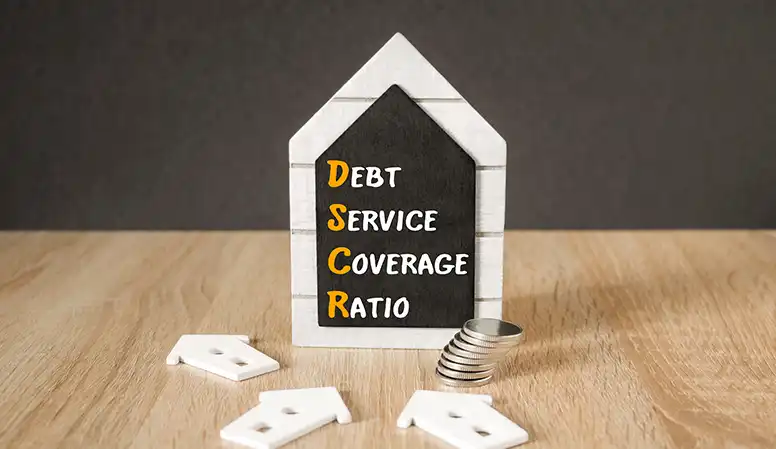
DSCR Loan Benefits: A Guide for Property Investors

Top Trends in Real Estate Construction Financing for Modern Developers
FAQs About Investment Property Loans
1. What credit score do you need for investment property loans?
Requirements differ depending on your lender and loan type. Better profiles will secure better rates and less stringent terms; worse ones can be approved, albeit at steeper costs. Before you apply, take stock of your credit profile.
2. How much down payment do lenders expect for an investment property?
Lenders usually ask for 20 to 25%, versus less on your primary home. The bigger the down payment, the less the lender’s risk, which may lead to better pricing and quicker approval.
3. Can rental income help you qualify for real estate investment loans?
Yes. Many lenders will count some percentage of projected rental income as “qualifying income,” lowering your DTI and strengthening your application during underwriting.
4. How long does approval take for commercial property loans?
Timelines are based on the lender and the property itself. A clean file with complete documentation, a clear cash flow, and quick response times will be the best ways to expedite the process.
5. Are hard money loans a good option for fix-and-flip investors?
They can be. They close fast and focus on the property value, not personal finances. The tradeoff is they’re more expensive, so they make sense if you have a short-term project with an end date.
Term Loans are made by Itria Ventures LLC or Cross River Bank, Member FDIC. This is not a deposit product. California residents: Itria Ventures LLC is licensed by the Department of Financial Protection and Innovation. Loans are made or arranged pursuant to California Financing Law License # 60DBO-35839