Financing for New Construction How to Budget and Fund Every Stage
September 07, 2026 | Last Updated on: September 07, 2026

Looking for Business Financing?
Apply now for flexible business financing. Biz2Credit offers term loans, revenue-based financing, lines of credit, and commercial real estate loans to qualified businesses.
Set up a Biz2Credit account and apply for business financing.
Key Takeaways
Financing for new construction works differently than a standard home loan, since the lender releases funds in stages as the build progresses rather than offering a one-lump-sum loan.
New construction loans usually require a larger down payment, a licensed builder, and a detailed business plan.
Real estate construction financing can come from national banks, financial institutions, local banks, credit unions, or specialized lenders, and each source has different rates, fees, and draw schedules.
A clear understanding of financing for new construction, including draw schedules and interest-only payments, helps you avoid cash flow
According to the National Association of Home Builders 2024 Construction Cost Survey, construction costs now make up a record 64.4% of a new home's sales price.
Financing for new construction is often associated with residential homebuilding, but it's also a critical funding tool for commercial development projects. Real estate developers, builders, contractors, construction firms, and commercial property owners frequently rely on construction financing to fund everything from office buildings and retail centers to warehouses, multifamily developments, and industrial facilities.
Regardless of project size, securing the right financing and creating a budget are essential for managing costs, maintaining cash flow, and keeping construction on schedule from planning through project completion.
This article offers an insight into how to get financing for new commercial and residential construction. We will cover what a new construction loan is, the financing options, how the process works.
What Is a Construction Loan?
A construction loan is short-term financing used to fund the construction of a residential or commercial property. Instead of receiving one lump sum, as you would with a traditional mortgage, the lender releases funds in installments called draws. Each draw is tied to a completed phase of the build, such as pouring the foundation, completing the framing, or finishing drywall.
Construction loans may run 12 to 18 months, covering only the active build period.
Interest is charged only on the portion of funds that have been drawn, not the full approved loan amount.
Your credit score, debt-to-income ratio, and cash reserves are all reviewed more closely than they would be for a purchase of an existing home.
Appraisals for financing for new construction are based on the projected value of the finished home, using the plans and builder's specifications rather than an existing structure.
Who Uses Financing for New Construction?
Financing for new construction is not limited to individuals building homes. It is widely used across the construction industry by residential property owners, real estate developers, commercial property investors, builders, contractors, and construction businesses that need funding to move projects from planning to completion.
For homeowners, construction financing helps cover land acquisition, materials, labor, permits, and other expenses associated with building a new residence.
In the commercial sector, financing for new construction supports a wide range of projects, including office buildings, retail centers, warehouses, industrial facilities, multifamily housing developments, mixed-use properties, and large-scale real estate developments.
How Commercial Construction Financing Differs from Residential Construction Financing
While residential and commercial construction financing both help fund new building projects, they differ significantly in terms of loan structures, eligibility requirements, repayment terms, and lender evaluation criteria.
Residential Construction Financing
Residential construction loans are designed for individuals building or renovating homes. These financing options typically focus on the borrower's personal income, creditworthiness, and ability to repay the loan.
Common residential financing options include:
Construction-to-permanent loans: Convert into a traditional mortgage once construction is complete, eliminating the need for separate financing.
Owner-builder loans: Allow qualified borrowers to act as their own general contractor during the building process.
Construction-only loans: Provide short-term funding during construction and require the borrower to secure permanent financing upon project completion.
Mortgage conversion financing: Enables borrowers to transition from a construction loan to a long-term mortgage after meeting project milestones.
Residential lenders generally evaluate factors such as credit score, debt-to-income ratio, employment history, available down payment, and the projected value of the completed home.
Commercial Construction Financing
Commercial construction financing is intended for developers, commercial property owners, investors, builders, contractors, and businesses undertaking revenue-generating construction projects. These projects may include office buildings, retail centers, warehouses, industrial facilities, multifamily developments, hospitality properties, and mixed-use developments.
Common commercial financing options include:
Commercial real estate (CRE) construction loans: Fund the construction of income-producing commercial properties.
Project financing: Uses the projected cash flow and viability of a specific development project as a key consideration for funding.
Developer financing: Supports real estate developers managing large-scale or multi-phase projects.
Construction business loans: Provide funding for contractors and construction firms to cover equipment purchases, payroll, materials, and project-related expenses.
Working capital facilities: Help construction companies manage cash flow gaps, fund day-to-day operations, and support multiple projects simultaneously.
Residential vs. Commercial Construction Financing
| Factor | Residential Construction Financing | Commercial Construction Financing |
|---|---|---|
| Primary Borrowers | Homebuyers, homeowners, owner-builders | Developers, commercial property owners, construction companies, investors, contractors |
| Project Types | Custom homes, single-family residences, residential renovations | Office buildings, retail centers, warehouses, industrial facilities, multifamily developments, mixed-use projects |
| Common Financing Options | Construction-to-permanent loans, construction-only loans, owner-builder loans, mortgage conversion loans | Commercial real estate (CRE) construction loans, project financing, developer financing, construction business loans, working capital facilities |
| Loan Size | Generally smaller and tied to residential property values | Often larger due to the scale and complexity of commercial projects |
| Repayment Source | Borrower's personal income | Project revenue, property income, business cash flow, or asset sale proceeds |
Residential construction financing is primarily evaluated based on an individual's financial profile and homebuilding plans, whereas commercial construction financing places greater emphasis on project economics, business performance, projected revenues, and the borrower's development or construction experience.
How to Budget and Fund Every Stage of a New Construction Project
Construction costs are incurred in phases, and understanding those phases can help borrowers align funding sources with project needs while avoiding cash flow disruptions.
Planning Stage
- Land or site acquisition
- Site selection and due diligence
- Architectural design and drafting
- Engineering assessments
- Surveying and geotechnical testing
- Feasibility studies and market analysis
- Environmental reviews
- Initial project management expenses
Permitting Stage
Building permits
Zoning approvals
Environmental permits
Plan review fees
Inspection fees
Legal and compliance costs
Utility connection applications
Construction Stage
Building materials
Labor and payroll
Heavy equipment purchases or rentals
Subcontractor payments
Site preparation and infrastructure work
Utilities installation
Safety and compliance requirements
Insurance costs
Project management expenses
Residential construction loans
Commercial real estate construction loans
Developer financing
Construction business loans
Equipment financing
Working capital facilities
Finalization Stage
Final inspections
Certificate of occupancy approvals
Punch-list repairs and corrections
Equipment testing and commissioning
Landscaping and exterior completion
Final contractor payments
Closing and refinancing costs
Project closeout documentation
The planning stage lays the foundation for a successful construction project. Before breaking ground, borrowers must account for various pre-construction expenses that can significantly impact the overall budget.
Common costs include:
Careful planning helps establish realistic construction budgets, identify potential risks, and improve the likelihood of loan approval by demonstrating project viability.
Before construction can begin, developers and property owners must obtain the necessary approvals from local authorities and regulatory agencies. Failing to budget for these costs can cause delays and unexpected expenses.
Common costs include:
Including permitting costs in the initial budget helps prevent delays and ensures regulatory requirements are met before construction begins.
The construction stage typically represents the largest portion of the project's budget and is where most construction financing funds are deployed. Lenders generally release funds through scheduled draws tied to project milestones and inspections.
Common costs include:
Potential funding sources:
Budgeting tip: Maintain a contingency reserve, to help absorb unexpected material price increases, labor shortages, design changes, or project delays.
Many borrowers underestimate costs that arise near project completion. Even after major construction work concludes, several expenses remain before the property can be occupied, sold, or refinanced.
Common costs include:
Properly budgeting for the finalization stage reduces the risk of cash shortfalls that could delay occupancy, tenant move-ins, property sales, or transition to long-term financing.
Budgeting and Funding Checklist by Stage
| Project Stage | Primary Costs | Typical Funding Sources |
|---|---|---|
| Planning | Site selection, design, engineering, feasibility studies | Pre-development financing, land loans |
| Permitting | Permits, approvals, inspections, legal fees | Construction loans, working capital, developer equity |
| Construction | Materials, labor, equipment, subcontractors | Construction loans, CRE financing, business loans, equipment financing |
| Finalization | Final inspections, occupancy approvals, punch-list items, closeout costs | Remaining loan draws, permanent financing, project revenue |
Successful new construction projects require more than securing a loan. By budgeting for each stage of the project and aligning expenses with appropriate funding sources, homeowners, developers, contractors, and construction businesses can improve cash flow management, reduce financial risk, and keep projects moving toward completion.
How Construction Loans Work?
Once you understand the loan types available, it helps to know exactly how financing for new construction plays out in practice, from application to move-in day.
Apply and get pre-approved: The lender reviews your credit, income, assets, and the builder's signed contract before issuing a pre-approval for construction project financing.
Submit plans and a detailed budget: You will need architectural plans, a full line-item cost breakdown, and a signed contract with a licensed, insured builder.
Close on the loan: Unlike a traditional mortgage, closing happens before construction begins, and interest starts accruing as soon as the first funds are drawn.
Draw schedule begins: The lender or a third-party inspector visits the job site at each milestone, such as foundation, framing, or drywall, and releases the next draw once that stage is verified.
Make interest-only payments: During the build, most borrowers pay interest only on the amount drawn so far, which keeps monthly payments manageable while the home is unfinished.
Final inspection and conversion: Once the home passes its final inspection, the loan either converts to a permanent mortgage or is paid off by a separate end loan.
This staged, draw-based approach is central to how financing for new construction protects both the borrower and the lender, since money is only released as real value is added to the property. It also explains why lenders scrutinize builder contracts and plans so closely before the first draw is ever approved.
Some of the Best Construction Loan Lenders
Choosing among the best construction loan lenders comes down to comparing interest rates, draw flexibility, fees, and how familiar each lender is with new-home builds in your specific area.
National banks: Large banks often offer construction-to-permanent loans with competitive rates for borrowers with strong credit, though underwriting can move more slowly.
Local and regional banks: Community and regional banks tend to understand local builders and permitting requirements better, which can speed up draw approvals considerably.
Credit unions: Many credit unions offer favorable rates on financing for new construction, along with lower fees and more personalized service throughout the entire build.
Online mortgage lenders: A growing number of online lenders now offer financing for new construction with faster pre-approval and digital draw management tools.
Specialty construction lenders: These lenders focus almost exclusively on construction project financing and often have more flexible underwriting for owner-builders or custom projects.
Ask how quickly each lender releases draws once an inspection is complete, since delays can stall your builder's schedule. Read recent borrower reviews and ask your builder which lenders they have worked with successfully on past projects, since builder familiarity often speeds up the entire draw process.
Bottom Line
Financing for new construction requires more planning. Understanding how construction loans work, knowing the full range of options available, and comparing lenders before you apply can streamline the process.
Budget for every stage of the build and build in a contingency for rising material and labor costs. Compare loan types and lenders side by side, including rates, fees, and draw schedules, before choosing a single lender. Work with a builder and lender who communicate clearly and often about draw schedules, inspections, and timelines. Get everything in writing, from the builder's contract to the lender's loan terms, so there is no confusion mid-project.
With the right preparation, financing for new construction can move smoothly.
Construction Financing Articles
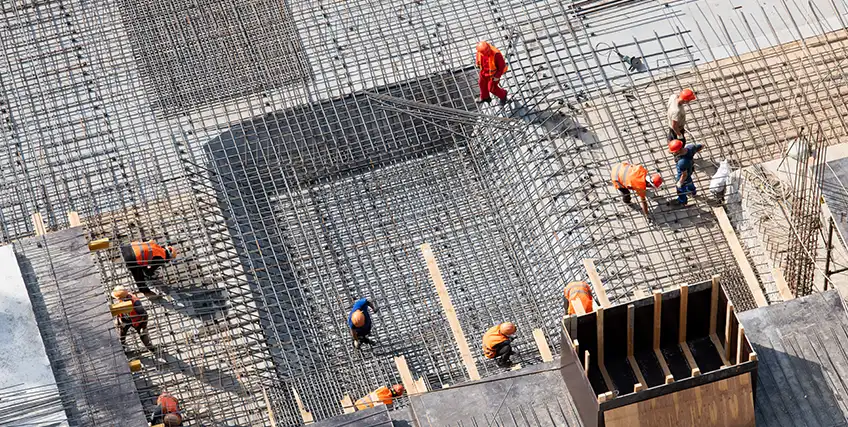
Construction Lending Process Explained: From Application to Final Funding

Construction Loan Options: How to Choose the Best Financing Solution
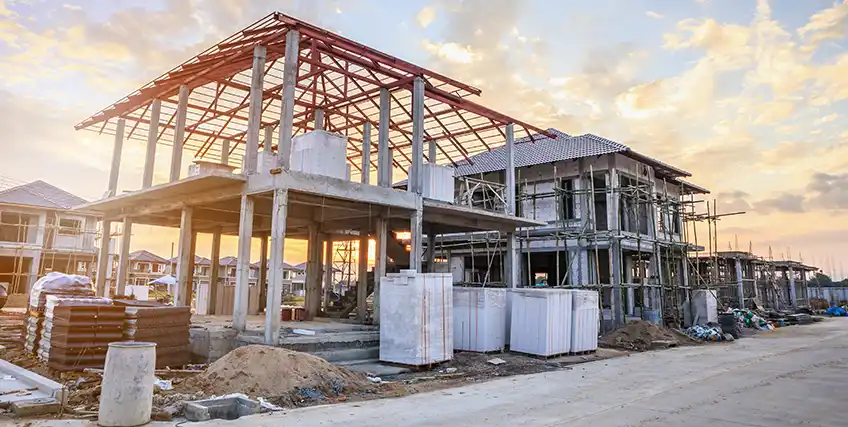
Escaping High-Interest Traps: Fair-Rate Construction Loans Bad Credit Options for Builders
FAQs Related to Financing for New Construction
1. What are the financing options available for new construction?
New construction projects can be financed through construction loans, conventional mortgages, debt financing, or equity financing, depending on the project's size, purpose, and funding needs.
2. Can commercial construction projects use financing for new construction?
Financing for new construction is commonly used for commercial projects such as office buildings, retail centers, warehouses, industrial facilities, and multifamily developments. Construction businesses often rely on commercial real estate construction loans, project financing, developer financing, and other business funding solutions to cover costs such as land acquisition, site preparation, labor, materials, and equipment throughout the construction process.