Construction Loan Options: How to Choose the Best Financing Solution
September 08, 2026 | Last Updated on: September 08, 2026

Looking for Business Financing?
Apply now for flexible business financing. Biz2Credit offers term loans, revenue-based financing, lines of credit, and commercial real estate loans to qualified businesses.
Set up a Biz2Credit account and apply for business financing.
Building or expanding a commercial space takes capital, and not every business owner walks into a lender's office with a flawless credit file. Construction loans for lower credit exist precisely for that reason, giving business owners with a rocky credit history a real path to funding without waiting years to rebuild a perfect score.
This article breaks down the financing options available for construction loans for lower credit, compares low credit construction loans against traditional financing, and outlines practical steps to strengthen approval odds. It also covers eligibility requirements and answers common borrower questions along the way.
What Are Construction Loans for Lower Credit and How Do They Work?
Construction loans for lower credit are short-term financing tools designed to cover the cost of building, renovating, or expanding a commercial property when the borrower's credit score falls below conventional lending thresholds. So how does the process actually work?
Funds are typically released through a draw schedule rather than as one lump sum. The lender disburses money in stages as construction milestones are completed, and during this period, borrowers often make interest-only payments on the amount drawn so far. Because the risk profile is higher, expect higher interest rates than what a borrower with strong credit history would receive. Some construction loans for lower credit convert into permanent financing once the project wraps up, while others require a separate refinance.
What Types of Construction Loans for Low Credit Score Borrowers Are Available?
Business owners exploring low credit score construction loans have more than one route to consider. Each option carries a distinct risk-reward balance, and none require a lender name to explain how they function.
Asset-Based Financing
- Approval leans on collateral value and loan-to-value (LTV) ratio rather than credit score alone
- Works well for businesses that own land, equipment, or existing property to pledge
- Funding can move faster since underwriting focuses on the asset, not solely credit report history
Hard-Money and Short-Term Bridge Financing
- Designed for quick turnaround on fixer-upper or ground-up projects
- Carries higher interest rates and shorter repayment windows
- Best suited for borrowers who plan to refinance or sell once construction ends
Private and Alternative Lending Sources
- Underwriting criteria tend to be more flexible than a conventional construction loan
Terms vary widely, so debt-to-income ratio and cash flow often carry more weight than credit score
- Useful for businesses turned away by traditional banks due to bad credit
Government-Backed and SBA-Adjacent Options
- The Federal Housing Administration insures FHA construction loans, and the FHA 203(k) loan covers renovation costs alongside purchase financing, both administered under HUD guidelines and can make financing more accessible for buyers who have lower credit scores, smaller down payments or limited savings compared to some conventional construction loan options
- USDA construction loans support rural development projects with favorable terms
- VA construction loans serve eligible veteran-owned businesses
The SBA 504 program, built for owner-occupied commercial real estate, offers long-term, fixed-rate financing with lower down payments compared to traditional commercial loans, making it worth comparing against other construction loans for lower credit
What Are the Pros and Cons of Low Credit Construction Loans?
Weighing the upside against the tradeoffs helps business owners decide if construction loans for lower credit fit their timeline and budget.
Advantages:
- Access to capital despite a thin or damaged credit report
- Opportunity to build business equity through the completed property
- Pre-approval is often possible when collateral or cash flow is strong
Disadvantages:
- Higher interest rates compared to conventional construction loan products
- Larger down payment requirements to offset lender risk
- Mortgage insurance premiums or private mortgage insurance may apply on certain government-backed programs
- Closing costs can add up across multiple draws or a two-time close structure, so factor this into the true cost of construction loans for lower credit
How Can You Improve Approval Odds for Construction Loans for lower Credit?
Approval is not just about the credit score sitting on file. Lenders look at the full financial picture, so here is where business owners can make real progress toward securing construction loans for lower credit.
- Lower the debt-to-income ratio before applying, since it directly affects how lenders assess repayment capacity
- Pull the credit report early and dispute any errors dragging the score down
- Prepare a detailed draw schedule and construction timeline that shows the lender exactly how funds will be used
- Offer a larger down payment to reduce the loan-to-value ratio and ease lender concerns
- Seek pre-approval with more than one lender to compare rates before committing to construction loans for lower credit
Keep monthly mortgage payments and existing debts current, since payment history carries weight even under low credit score construction loans criteria
What Eligibility Requirements Apply to Construction Loans for Low Credit Scores?
Eligibility requirements shift depending on the loan type, but a few threads run through most construction loans for low credit scores.
- Property must often serve a legitimate business purpose rather than a primary residence purpose, since this guide focuses on commercial financing
- Lenders review property taxes, existing liens, and title status before approving funds
- LTV limits typically cap borrowing at a set percentage of the completed project's appraised value
- FHA loan limits apply to government-backed construction loans for lower credit and vary by county
- HUD-related programs may require the borrower to work with an approved contractor or consultant
How Do Construction-to-Permanent Loans Compare to One-Time Close Options?
A construction-to-permanent loan combines short-term building financing with a long-term mortgage in a single package, so the borrower avoids a second round of closing costs once the project finishes. A one-time close construction loan works the same way and remains one of the more borrower-friendly construction loans for lower credit. It locks in terms upfront and converts automatically after the final inspection.
Compare that to a conventional construction loan structured as two separate closings, sometimes called a two-time close. Businesses may also look at a cash-out refinance, home equity loan, or HELOC on an existing property to supplement construction costs, though these tools work best for owners with equity already built up rather than as a first-time financing solution.
Conclusion
Poor credit does not have to stall a construction project. Business owners have real, workable paths forward through asset-based lending, hard-money bridge financing, private capital, and government-backed programs such as FHA and SBA options. The right fit depends on timeline, collateral, and how much flexibility the business needs during the draw schedule. Comparing terms across a few lenders, tightening the debt-to-income ratio, and organizing documentation ahead of time all improve the odds of landing workable construction loans for lower credit. With preparation, a lower credit score becomes a hurdle to plan around, not a permanent barrier to breaking ground.
Construction Financing Articles
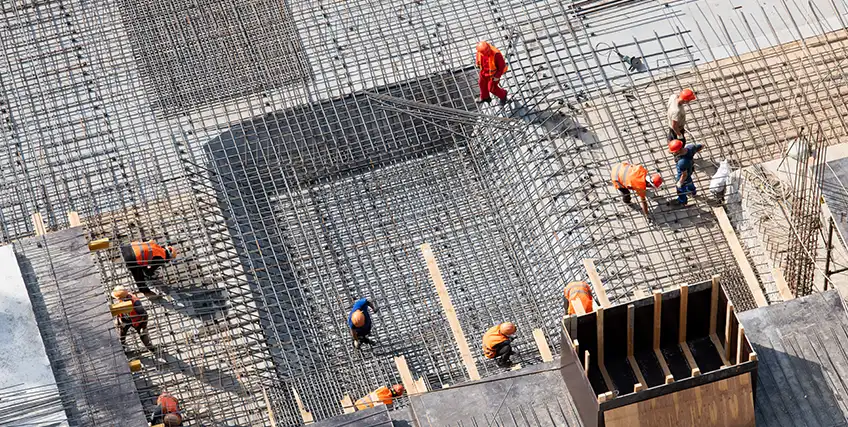
Construction Lending Process Explained: From Application to Final Funding
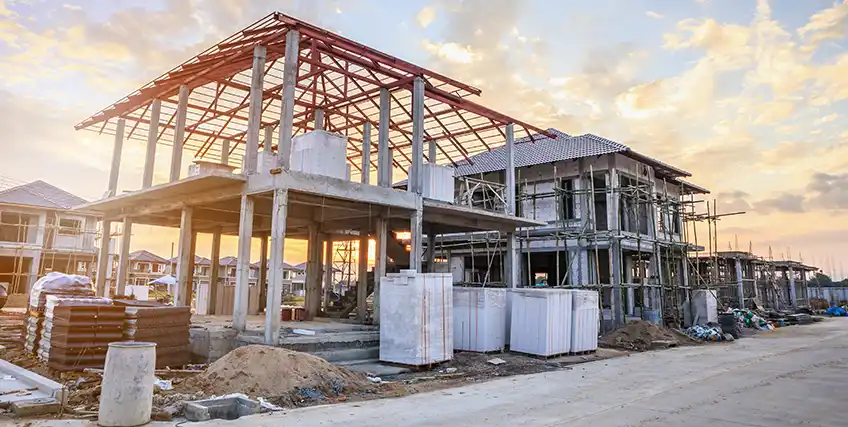
Escaping High-Interest Traps: Fair-Rate Construction Loans Bad Credit Options for Builders
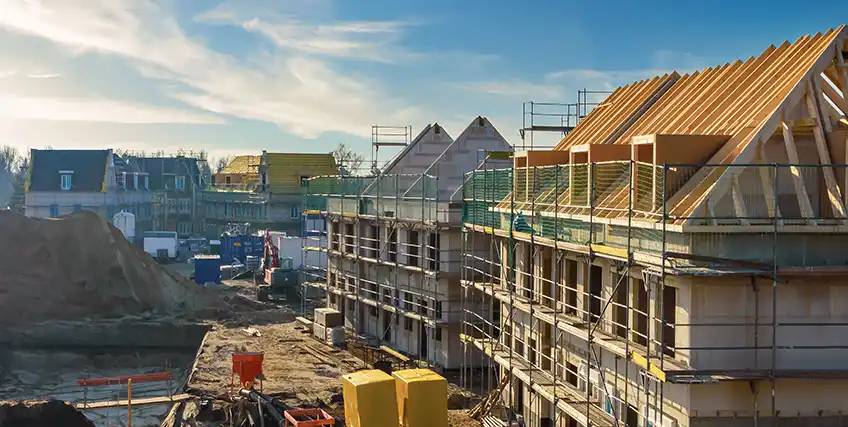
Financing for New Construction How to Budget and Fund Every Stage
FAQs About Construction Loans for Lower Credit Borrowers
1. Can a business get construction loans for lower credit?
Yes. Asset-based lenders, hard-money lenders, and certain government-backed programs approve borrowers with low credit scores by weighing collateral, cash flow, and project viability alongside credit history rather than relying on credit score alone.
2. What credit score is typically needed for a low credit score construction loan
Requirements vary by lender and program. FHA-backed construction loans for lower credit generally require a credit score around 580 or higher, while asset-based and private lenders may accept lower scores if collateral value is strong.