New Construction Loans Checklist That Every Business Owner Should Know
August 26, 2026 | Last Updated on: August 26, 2026

Looking for Business Financing?
Apply now for flexible business financing. Biz2Credit offers term loans, revenue-based financing, lines of credit, and commercial real estate loans to qualified businesses.
Set up a Biz2Credit account and apply for business financing.
Ground-up construction is expensive, slow, and unforgiving of poor planning, especially when a business is footing the bill. Financing a new build is not the same as buying an existing property, and most business owners, along with those exploring new construction loans for investors, underestimate how differently this financing works until they are deep into the process.
This article breaks down exactly what to prepare before applying, including your business plan, cost estimates, contractor documentation, and permits, so the application moves faster and fewer surprises show up along the way. It also covers financing structures like a bridge loan for new construction and what to look for when comparing construction loan lenders.
What Are New Construction Loans and How Do They Work?
New construction loans are short-term financing tools designed to fund a building project from the ground up. Unlike a traditional mortgage, which pays out the full loan amount at closing, construction loans release money in stages, tied to the progress of the build. This is often called a draw schedule, and it protects the lender by making sure funds match actual work completed on site.
Most construction loans fall into two broad categories:
Construction-only loans, which cover just the building phase and require separate financing once the project is done
Construction-to-permanent loans, sometimes marketed as one-time close construction loans, which automatically convert into a permanent mortgage after construction wraps up
During the build phase, borrowers typically make interest-only payments on the amount drawn so far, not the full loan balance. The interest rate applied during construction is usually variable, and once the loan converts to permanent financing, interest payments shift to include both principal and interest, similar to a long-term mortgage.
Construction-Only vs. One-Time Close Construction Loans
- Construction-only loan: Shorter term, requires refinancing into a separate home construction loan or permanent mortgage, more paperwork overall
- One-time close construction loan: Single closing covers both phases, fewer fees, but less flexibility to shop lenders after construction ends
- Interest structure: Both typically carry a variable rate during construction, with the option to lock a fixed-rate mortgage once the loan converts
Why Do You Need a Checklist Before Applying for New Construction Loans?
Lenders underwrite construction financing more cautiously than they do standard business loans. There is no finished asset to inspect, so approval depends heavily on documentation, projections, and the credibility of the people involved in the build. A missing permit or an incomplete cost estimate can stall an application for weeks.
Walking in prepared does more than speed up approval. It also puts a business owner in a stronger position to negotiate rates and terms, since lenders view organized borrowers as lower risk. So before reaching out to a lender, it helps to know exactly what will be asked for and why.
Is Your Business Plan Ready for a New Construction Loan?
A vague business plan is one of the fastest ways to get a construction loan application rejected. Lenders want to see how the finished property fits into the business, not just how it will be built. That means projected revenue, a realistic timeline, and a clear explanation of why the space is needed.
A strong business plan for new construction loans generally includes:
- A summary of the project, including square footage and intended use
- Construction plans and building plans reviewed by a licensed architect
- Financial projections covering at least the first two to three years post-construction
- An exit strategy, particularly for construction-to-permanent loans
How Should You Estimate Costing and Budget for Construction?
Cost estimation is where many first-time applicants fall short. Lenders expect a detailed breakdown, not a round number pulled from a rough conversation with a contractor. Underestimating costs is one of the most common reasons construction loans run out of funds mid-project.
A realistic budget for new construction loans should account for:
- Land purchase price, if the lot is not already owned
- Building materials and labor, based on current market rates
- Closing costs, which can run several percentage points of the total loan
- Down payment, often higher than what is required for a traditional mortgage or conventional mortgage
- A contingency buffer of at least ten percent for unexpected costs
What Documents Do Lenders Require for Cost Verification?
- Itemized cost breakdown from the general contractor
- Blueprints and building plans stamped by a licensed professional
- Land appraisal, if the property is not yet owned outright
- Proof of collateral, since construction loans are often secured against the land and future structure
How Do You Choose the Right General Contractor for Financing Approval?
The contractor is not just responsible for building the project. Lenders scrutinize the general contractor almost as closely as they scrutinize the borrower. A history of delayed projects, lawsuits, or lapsed licensing can sink an otherwise solid application for new construction loans.
Before signing a construction contract, confirm the contractor can provide:
- A valid state license and proof of active insurance
- References from at least two completed commercial projects
- A written timeline broken into phases matching the draw schedule
- Bonding, which some lenders require for larger projects
What Permits and Approvals Are Needed Before You Apply for New Construction Loans?
Permits are non-negotiable, and applying without them is a guaranteed way to delay funding. Local zoning boards and building departments review project plans before construction can legally begin, and lenders will not release funds until proof of approval is on file.
Typical permit requirements include:
- Zoning approval confirming the property can be used for the intended purpose
- Building permits covering structural, electrical, and plumbing work
- Environmental clearances, depending on the site and local regulations
- Scheduled visits from a building inspector at each major construction phase
What Credit and Financial Requirements Apply to New Construction Loans?
Credit requirements for new construction loans tend to run stricter than those for standard term loans, mostly because of the higher risk involved in ground-up projects. Lenders look closely at both personal and business credit history, along with the borrower's overall debt load.
Common financial benchmarks include:
- A credit score generally in the high 600s or above, though requirements vary by lender
A debt-to-income ratio, or DTI, that leaves room for the new loan payment
- A documented credit history showing consistent, on-time payments over several years
- Being pre-approved before finalizing land purchase agreements, which strengthens negotiating power
Business owners with thinner credit files sometimes explore short-term loans or home equity loans against existing commercial property to bridge early costs, though these should be viewed as supplementary, not primary, financing.
What Are the Best Construction Loan Options for Small Business Owners and Investors?
There is no single best construction loan lender for every business, since the right fit depends on project size, timeline, and how the property will be used. Some borrowers want a straightforward construction-only loan, while others prefer one-time close options that skip a second closing entirely.
For business owners weighing new construction loans for investors, a few structures come up often:
Bridge loan for new construction: Short-term financing that covers costs while a longer-term loan is still being arranged, useful when timing does not align with a permanent mortgage closing
- Owner-builder loan: Designed for businesses acting as their own general contractor, though qualification standards are typically tighter
Lot loans: Cover land purchase separately, often used before a full construction loan is approved
Investors evaluating best construction loan lenders should compare rate structures closely, since terms vary more here than with conventional mortgage products.
Fixed-Rate vs. Adjustable-Rate Construction Financing
- Fixed-rate mortgage conversion: Offers payment predictability once construction ends, appealing for long-term mortgage planning
- Adjustable-rate mortgage: Common during the construction phase itself, with variable rates tied to a benchmark index
- Borrowers should ask upfront whether the loan offers a fixed or adjustable rate at conversion, since this materially affects long-term costs and APR
What Mistakes Should You Avoid When Applying for New Construction Loans?
A surprising number of applications fail for avoidable reasons. Skipping a soil test, underestimating building materials costs, or assuming a manufactured home project qualifies under standard construction guidelines can all derail approval.
Common missteps include:
- Applying before securing firm bids from contractors
- Overlooking permit timelines, which can add months to a project
- Treating construction loans like personal loans, with informal budgeting instead of documented projections
- Ignoring how interest-only payments during construction will affect monthly cash flow
Conclusion
Ground-up projects carry more moving parts than most business financing decisions, but none of them are unmanageable with the right preparation. A complete business plan, an accurate budget, a vetted general contractor, and the correct permits in hand put a borrower in a strong position before a lender even reviews the file. Getting new construction loans approved comes down to showing, clearly and on paper, that the project has been thought through from the land purchase to the final inspection.
Construction Financing Articles
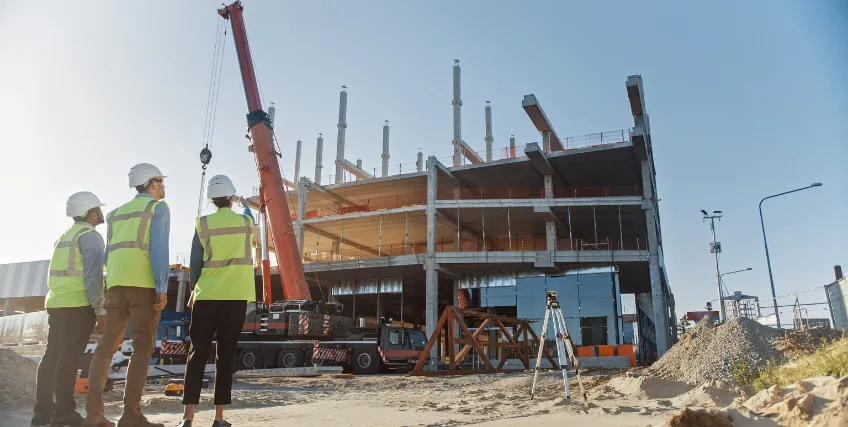
Need a Construction Loan with Limited Capital? Explore These Options
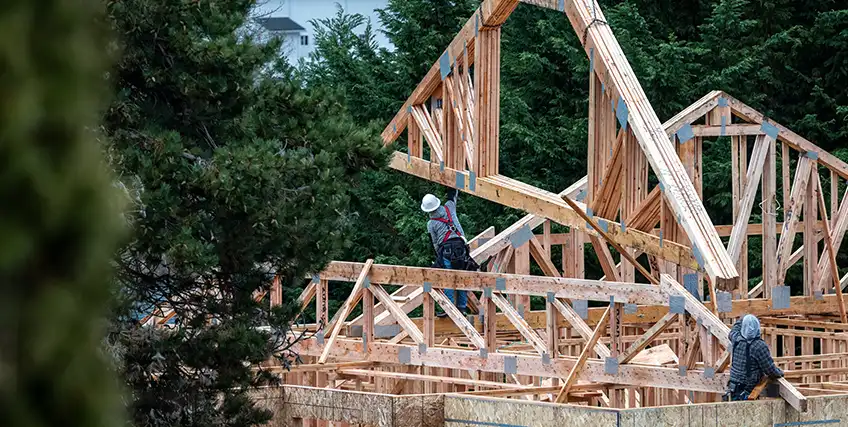
What Is the Interest Rate on a Construction Loan for Small Businesses?

Flexible Draw Schedules: What Premium Building Loan Lenders Do Differently
FAQs About New Construction Loans
1. What credit score do I need for a new construction loan?
Most lenders look for a credit score in the high 600s or above, though requirements vary widely by lender and loan type. A stronger credit history generally leads to better rate offers and a smoother approval process.
2. How much down payment is required for construction financing?
Down payments for new construction loans typically run higher than those for a traditional mortgage, often in the range of ten to twenty-five percent, depending on the lender and project size.
3. What is the difference between a construction loan and a bridge loan for new construction?
A construction loan funds the actual build in stages. A bridge loan for new construction provides short-term capital to cover gaps, often while permanent financing or a land sale is still being finalized.
4. Can investors qualify for new construction loans?
5. How long does construction loan approval typically take?
Frequent searches leading to this page
Term Loans are made by Itria Ventures LLC or Cross River Bank, Member FDIC. This is not a deposit product. California residents: Itria Ventures LLC is licensed by the Department of Financial Protection and Innovation. Loans are made or arranged pursuant to California Financing Law License # 60DBO-35839