Equipment Financing Solutions for Small Businesses: How to Choose the Right Funding Option
September 25, 2026 | Last Updated on: September 25, 2026

Looking for Business Financing?
Apply now for flexible business financing. Biz2Credit offers term loans, revenue-based financing, lines of credit, and commercial real estate loans to qualified businesses.
Set up a Biz2Credit account and apply for business financing.
Key Takeaways
- Equipment financing solutions help small businesses acquire machinery, vehicles, and technology without draining cash reserves.
- The right funding option depends on ownership, repayment timeline, and how quickly the equipment loses value.
Equipment loans build ownership over time, while an equipment lease favors lower upfront costs and flexibility.
- A business line of credit is better suited to smaller, recurring equipment-related expenses than to one large purchase.
- Lenders typically look at time in business, credit history, and cash flow before approving an equipment purchase.
- Comparing rates, terms, and total cost across lenders is the surest way to find a business financing option that fits your budget.
Every growing business eventually needs new equipment. A restaurant needs a walk-in freezer. A contractor needs a second truck. A clinic needs updated diagnostic tools. Paying cash for any of these can strain working capital needed for payroll, rent, and inventory.
That is where equipment financing solutions come in. They let a business acquire the tools it needs now and pay over time instead of in one lump sum. According to Investopedia, equipment-focused financing arrangements differ from general small-business loans mainly because the equipment itself typically secures the debt, which can make approval easier and pricing more competitive than unsecured borrowing.
Choosing among the available equipment financing solutions is not always straightforward. Loans, leases, lines of credit, and custom structures each come with different trade-offs around ownership, cost, and speed. This article covers each of these flexible financing solutions, so a small business owner can match the funding to the equipment, the budget, and the growth plan.
Types of Equipment Financing Solutions
Small businesses have several practical ways to fund new machinery, vehicles, or technology. Below are the most common equipment financing solutions available today, along with what each one is best suited for.
Comparison of Common Equipment Financing Solutions
| Financing Option | Funding Speed | Ownership Rights | Repayment Terms | Initial Costs |
|---|---|---|---|---|
| Equipment Loan | Often a few days to a couple of weeks | Business owns the equipment after the loan is repaid | Fixed monthly payments, typically 2 to 7 years | Usually requires a down payment, but often lower than unsecured financing |
| Equipment Leasing | Fast to moderate, depending on the lessor | Lessor owns the equipment during the lease term; purchase option may be available at the end | Fixed lease payments over an agreed term, often 2 to 5 years | Low upfront costs, sometimes only the first payment or security deposit |
| Term Loan | Moderate, depending on lender requirements and underwriting | Business owns any equipment purchased with the funds immediately | Fixed repayment schedule, typically 1 to 10 years | May require a down payment and can include origination fees |
| Business Line of Credit | Fast once approved, with funds available on demand | Business owns any equipment purchased using the credit line | Flexible repayment based on amounts drawn and lender terms | Minimal upfront costs, though annual or maintenance fees may apply |
| Customized Financing Solutions | Varies by structure and lender | Ownership depends on the arrangement, such as a loan, lease, or sale-leaseback | Can be tailored to seasonal revenue patterns or business cash flow | Costs vary widely, ranging from low upfront expenses to structured down payments |
Equipment Loans
- Fixed monthly payments make budgeting predictable.
- Down payments are often lower than for unsecured loans, since the equipment secures the debt.
- Ownership builds equity that can support future borrowing.
- Best suited for equipment with a long useful life, such as heavy machinery or commercial vehicles.
Equipment Leasing
- Lower upfront costs than a purchase, which helps preserve cash flow.
- Easier to upgrade equipment that becomes outdated quickly, such as computers or diagnostic devices.
- Maintenance is sometimes included in the lease agreement.
- Monthly payments may be lower than loan payments for the same equipment.
Term Loan
- Funds can cover equipment plus related costs like installation or delivery.
- Repayment terms typically range from one to several years.
- Approval often depends on business revenue, credit history, and time in business.
Interest rates are usually fixed, which simplifies budgeting.
Business Lines of Credit
- Useful for smaller, recurring equipment costs like repairs, parts, or accessories.
- Funds can bridge a cash flow gap while waiting on a larger loan to close.
- Available credit replenishes as the balance is repaid, unlike a one-time loan.
- Better suited to short-term or unpredictable expenses than to one large equipment outlay.
Customized Financing Solutions
- Seasonal businesses may negotiate payment schedules that scale with revenue.
- Startups without a long credit history may be offered smaller initial amounts with room to grow.
- Some lenders bundle multiple pieces of equipment or multiple locations into one structured equipment finance agreement.
- Sale-leaseback arrangements let a business free up cash from equipment it already owns.
- Vendor financing programs, offered directly through equipment manufacturers or dealers, sometimes include promotional rates for qualified buyers.
An equipment loan is the most direct of the equipment financing solutions on this list. A lender provides funds specifically to purchase a piece of equipment, and the equipment itself acts as collateral. Once the loan is repaid, the business owns the asset outright.
Forbes has noted that secured loans of this kind tend to carry more favorable rates than unsecured financing, precisely because the collateral reduces the lender's risk. That trade-off matters most for equipment with a long service life, since spreading the cost over several years typically works out cheaper than repeated short-term borrowing or renting the same asset again and again.
Equipment leasing options work differently from a loan. Instead of borrowing to buy, a business pays to use the equipment for a set term, then returns it, renews the lease, or purchases it at fair market value.
Equipment finance & leasing tends to suit technology-driven or fast-changing industries better than purchase-based financing, since a business is not stuck owning equipment it has outgrown.
A term loan is a lump sum of capital repaid over a fixed schedule, with interest, and it is not tied to one specific asset. A business can use it for equipment, but also for renovations, inventory, or expansion costs.
According to Experian, lenders weigh a business's credit profile heavily when setting loan terms, so building strong business credit ahead of a purchase can lead to better pricing on a term loan.
A business line of credit is not built for one large equipment purchase, but it can be a smart companion to other financing strategies for business equipment. It gives a business revolving access to funds up to a set limit, and interest is charged only on the amount drawn.
If a business only needs to cover a repair or a smaller add-on purchase, a line of credit can be faster and simpler than applying for a dedicated equipment loan. Many owners keep a modest line open year-round specifically for these smaller, unplanned needs, while reserving loans or leases for major purchases.
Not every business fits neatly into a standard loan or lease. Some lenders offer customized financing solutions built around a company's specific cash flow, seasonality, or growth stage.
A broker or relationship lender familiar with a specific industry can often surface these flexible equipment financing solutions faster than a general search, since eligibility and terms tend to vary widely by lender and by asset type.
What Can Equipment Financing Be Used For?
Equipment financing solutions cover a wide range of business needs, not just heavy machinery. Common uses include:
- Commercial vehicles, delivery vans, and trucking fleets.
- Manufacturing and production machinery.
- Medical, dental, and diagnostic equipment.
- Restaurant kitchen equipment and walk-in refrigeration.
- Computers, servers, and point-of-sale technology.
- Construction equipment such as excavators and loaders.
- Office furniture and fixtures for a new location.
- Software licenses, security systems, and other technology bundled with hardware purchases.
- Renewable energy equipment, such as solar panels or backup power systems, for businesses looking to cut long-term operating costs.
A vendor quote or invoice is usually required at application, since the amount financed is tied directly to the cost of the asset being purchased. Because approved uses are broad, business equipment funding can support almost any physical asset a company needs to operate or grow, aside from real estate.
How to Choose the Right Equipment Financing Solutions
With several equipment financing solutions, the decision usually comes down to a handful of questions. Working through them in order can narrow the field quickly.
How long will you keep the equipment? Long-life assets like heavy machinery favor a loan. Fast-changing assets like computers or diagnostic tools favor a lease.
How much can you put down? A larger down payment can unlock lower rates on a loan, while leases and lines of credit often require less cash upfront.
How predictable is your revenue? Seasonal or newer businesses may prefer flexible, customized structures over rigid fixed-rate payments.
Do you need ownership for tax or resale purposes? Owning equipment outright allows depreciation and eventual resale, which a lease does not offer.
How fast do you need funding? Online lenders can often move faster than banks or SBA-backed programs, though sometimes at a higher rate.
Comparing at least two or three offers side by side, rather than accepting the first approval, remains one of the simplest ways to secure competitive equipment financing solutions.
Bottom Line
No single equipment financing solution is best for every small business. An equipment loan builds ownership over time. Leasing keeps upfront costs low and offers flexibility for fast-changing assets. A term loan can fund equipment alongside other business needs, while a business line of credit is better reserved for smaller or ongoing expenses. Customized structures exist for businesses whose needs do not fit a standard product.
The right choice comes down to how long a business plans to keep the equipment, how much cash it can put down, and how predictable its revenue is. Comparing offers from multiple lenders and reading the fine print on rates and fees remains the most reliable way to choose equipment financing solutions that support growth instead of straining it.
Equipment Financing Articles
Equipment Finance Services: How Businesses Can Fund Essential Equipment Faster?
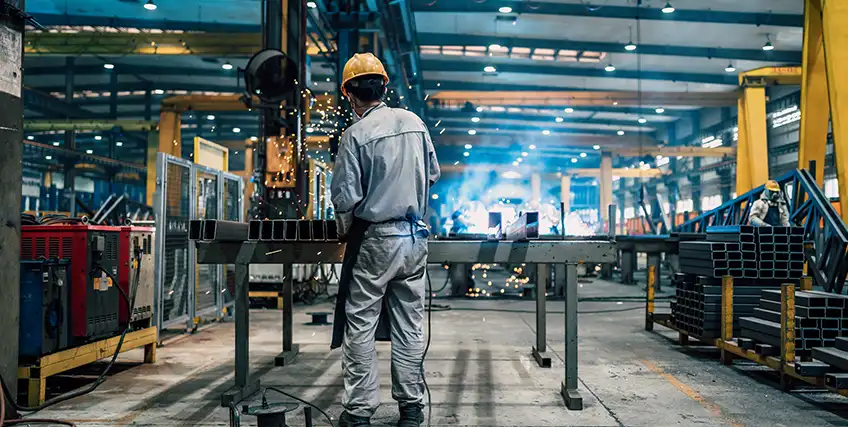
How Business Owners May Use Financing for Equipment Upgrades
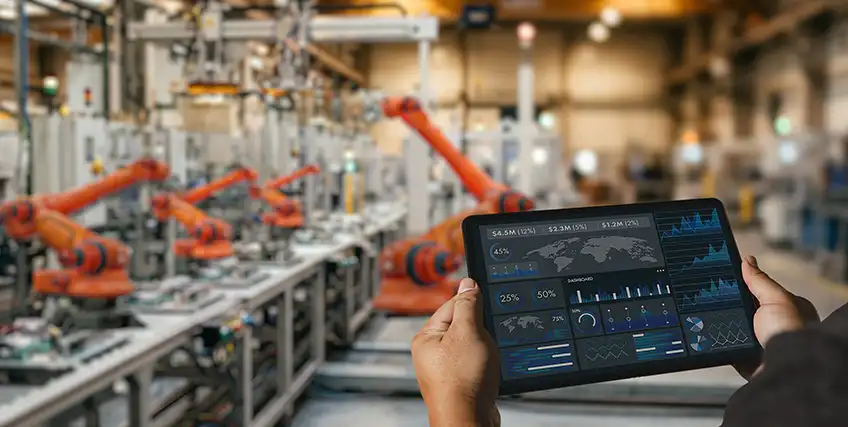
How Manufacturing Equipment Finance Can Help Businesses Invest in Automation
FAQs about Equipment Financing Solutions
1. What is the fastest way to get equipment financing solutions approved?
Applications backed by a clear equipment quote, recent bank statements, and solid business credit tend to move fastest. Online lenders often approve and fund equipment financing solutions within a few business days, while banks and SBA-backed options can take longer.
2. Is it better to choose equipment leasing options or take out a loan?
It depends on how long the business plans to use the equipment. This approach usually makes more sense for technology that becomes outdated quickly, while a loan is often better for machinery with a long useful life and strong resale value.