How to Qualify for a Medical Equipment Loan to Upgrade Your Practice
November 03, 2026 | Last Updated on: November 03, 2026

Looking for Business Financing?
Apply now for flexible business financing. Biz2Credit offers term loans, revenue-based financing, lines of credit, and commercial real estate loans to qualified businesses.
Set up a Biz2Credit account and apply for business financing.
As demand for healthcare technology continues to grow, financing options are becoming more accessible. In fact, the Global Medical Equipment Financing market is projected to expand from USD 171.67 billion in 2023 to USD 350.41 billion by 2033, growing at a CAGR of 7.40%. More lenders now compete to offer medical equipment loan, which gives borrowers more room to negotiate terms.
Many lenders offer flexible medical equipment loan programs designed for healthcare practices that need funding for medical supplies, durable medical equipment, or diagnostic upgrades without draining cash reserves.
This article explains the requirements, documents, and steps to help you get approved for a medical equipment loan.
What Is a Medical Equipment Loan?
A medical equipment loan is a business loan used to buy clinical, diagnostic, or office equipment. The equipment usually serves as collateral. That lowers the lender's risk and makes approval easier than with unsecured credit.
Key features:
Covers new and used equipment: Most lenders finance both.
Fixed payments: You pay a set amount each month.
Ownership: You own the equipment when the term ends.
Typical terms: Terms often run 5 to 15 years, based on the equipment's useful life.
Examples of eligible equipment:
- MRI, CT, and ultrasound systems
- Home healthcare equipment like wheelchairs, commodes, canes, hospital beds, walkers, shower chairs, and crutches.
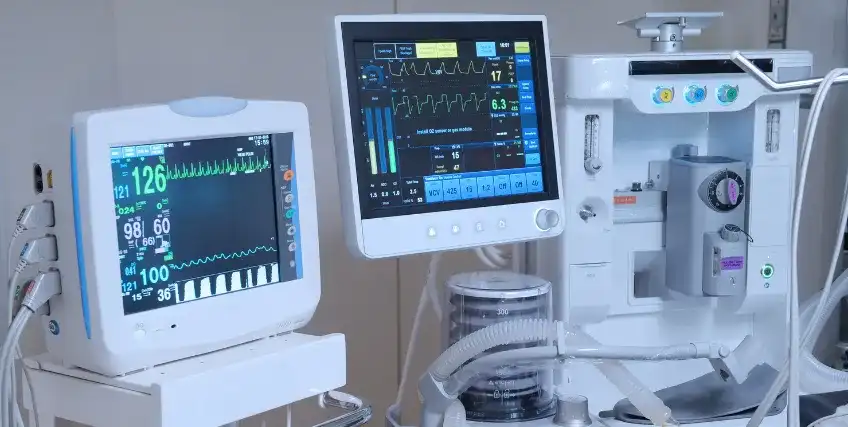
- EKG and patient monitoring units
- Dental chairs and digital X-ray units
- Lab analyzers and sterilization equipment
- Exam tables, surgical lights, and practice software
Financing for medical equipment helps you buy now and pay as the equipment earns revenue.
Why Practices Use a Medical Equipment Loan to Upgrade
Equipment is expensive. Paying cash can drain the money you need for payroll, rent, and supplies. A medical equipment loan spreads the cost over time.
Main benefits:
Preserves cash: You keep working capital available.
Faster upgrades: You can replace outdated devices sooner.
Predictable costs: Fixed payments make budgeting simpler.
Possible tax advantages: Equipment purchases may qualify for deductions such as Section 179. Confirm the details with your CPA.
Medical equipment purchase financing also helps you stay competitive. Patients expect modern diagnostics, and newer devices can shorten visit times.
Who Offers a Medical Equipment Loan?
Several lender types serve healthcare businesses. Each has trade-offs.
Banks and credit unions: Lower rates, stricter rules. Most banks require a good personal credit score of 670 or higher for equipment loans.
SBA lenders: SBA-backed programs typically offer fixed rates and longer terms.
Online lenders: Faster approval and more flexible credit standards.
Equipment vendors: Some manufacturers offer financing at the point of sale.
Specialty healthcare lenders. They understand equipment values and reimbursement cycles.
Equipment financing for healthcare providers is a distinct product line at many of these lenders. Large health systems often use structured hospital equipment financing, which can include master agreements for multiple purchases.
Medical Equipment Leasing vs Financing
Medical equipment leasing vs financing is a common decision point. Your choice affects cost, ownership, and tax treatment.
| Factor | Financing | Leasing |
|---|---|---|
| Ownership | You own it at the end | Lessor owns it; buyout may be optional |
| Monthly payment | Usually higher | Usually lower |
| Technology upgrades | You handle resale | Easier to swap for newer models |
| Best for | Long-life equipment | Fast-changing technology
|
Choose financing for equipment you will use for a decade. Choose leasing for devices that become outdated quickly.
Requirements to Qualify for a Medical Equipment Loan
Lenders use similar criteria. Know them before you apply.
Credit Score
Your personal and business credit both matter.
- Applicants with scores above 670 are more likely to get approved.
- Banks and SBA lenders often require better credit history.
- Some alternative lenders accept scores in the 500s with higher rates.
Higher scores also lower your cost. Businesses with a good credit score of 720 typically access better rates than those in the low credit score range.
Time in Business and Revenue
Lenders want proof that your practice can repay.
- Most prefer one to two years in operation.
- Steady monthly revenue matters more than a single strong month.
- Some online lenders set minimum monthly deposits.
Debt Load and Cash Flow
Your existing debt affects approval.
- Lenders compare monthly income to monthly debt payments.
- Lower debt-to-income ratios improve your odds.
- Strong cash flow can offset a middling credit score.
Equipment Details
The asset itself is part of the decision.
- Lenders review the type, age, and condition of the device.
- Equipment that holds resale value gets better terms.
- A written vendor quote or invoice is usually required.
Down Payment
Some deals need money upfront.
- Many lenders require 10% to 20% down when credit scores are low.
- A larger down payment can reduce your rate.
Documents You Need for a Medical Equipment Loan
Prepare these items before you apply. Complete files move faster.
- Completed loan application
- Vendor quote or invoice for the equipment
- Business license and practice registration
- Two to three years of business tax returns
- Recent bank statements, usually three to six months
- Profit and loss statement and balance sheet
- Personal financial statement for owners
- Photo ID for each owner
- Business plan or equipment revenue projection for newer practices
A plan showing how the device will generate revenue helps. For example, a new ultrasound unit may add several scans per day. Show that number.
Medical Equipment Financing Rates and Terms
Medical equipment financing rates vary by lender, credit, and equipment type.
- The average equipment financing rate typically ranges from 6% to 22%, depending on factors such as creditworthiness, time in business, and financial performance .
- A borrower with a good credit score may secure lower APR, while a borrower with a 580 or lower credit score may see higher APR.
- Terms usually run 5 to 15 years.
Lenders often consider factors such as time in business, monthly revenue, and the value of the equipment being purchased, making funding accessible even if your credit is not perfect.
How to Get a Medical Equipment Loan: Step by Step
Follow this process to move from need to funding.
Define the need: List the device, its cost, and the revenue it will produce.
Check your credit: Review personal and business reports and fix errors.
Set a budget: Include installation, training, and maintenance.
Get vendor quotes: Compare at least two suppliers.
Compare lenders: Request quotes from banks, online lenders, and vendors.
Submit your application: Send complete documents to avoid delays.
Review the offer: Check the rate, term, fees, and buyout terms before signing.
Compare medical loan equipment offers side by side. Look at total cost, not only the monthly payment.
Best Medical Equipment Financing Options
The best medical equipment financing options depend on your profile.
Bank term loan: Best for strong credit and low rates.
SBA loan: Best for longer terms and lower payments.
Online medical equipment loan: Best for speed and flexible credit.
Vendor financing: Best for convenience.
Lease: Best for technology that ages fast.
Loans to buy medical equipment from an online lender can fund in days. Bank approvals can take weeks.
Medical Equipment Financing With Bad Credit
Bad credit does not end your search. A medical equipment loan is secured by the asset, so lenders weigh it along with your score.
Ways to improve your chances:
Add a down payment. Lenders typically ask for 10% to 20% at lower scores.
Show strong revenue. A 580 score with $20,000 to $30,000 or more in monthly revenue can be more fundable than a 640 score with inconsistent cash flow.
Choose used equipment. Lower prices mean smaller loan amounts.
Add a co-signer or guarantor. This reduces lender risk.
Accept a shorter term. Shorter terms can improve approval odds.
Expect higher rates. Refinance later when your credit improves.
Medical Equipment Financing for Special Situations
Here are some situations where medical equipment financing can help healthcare providers access essential equipment:
Medical Equipment Financing for Startups
Brand-new practices face tougher rules when they apply for a medical equipment loan. Almost all equipment lenders require an established business.
Medical startup equipment financing is still possible. Try these options:
Strong personal credit and a personal guarantee
A detailed business plan with revenue projections
A larger down payment
- Vendor financing or specialty healthcare lenders
Medical Clinic and Office Equipment
Medical clinic equipment financing covers exam room, lab, and front-office needs. Medical office equipment loans can also include furniture, computers, and electronic health records systems. Bundle items into one application to simplify approval.
Diagnostic Equipment and Technology Upgrades
Financing diagnostic equipment, such as imaging systems, often requires larger amounts and longer terms. Financing healthcare technology upgrades, such as new software or telehealth tools, may need a lender that accepts soft costs.
A loan for medical devices can also cover installation and training. Confirm this in writing.
Tips to Improve Your Approval Odds
- Pay down existing debt before applying.
- Keep business and personal finances separate.
- Avoid new credit applications for 60 days before you apply.
- Choose the right amount. Do not over-borrow.
- Build a relationship with a bank before you need funds.
- Work with a lender that understands healthcare.
Healthcare business loans for equipment are easier to secure when your files are clean and your revenue is documented.
Common Mistakes to Avoid
- Applying to many lenders at once, which can add credit inquiries
- Ignoring total cost and focusing only on the monthly payment
Skipping the fine print on prepayment terms and penalties
- Underestimating installation, training, and service costs
- Choosing a medical equipment loan term longer than the device's useful life
Conclusion
Qualifying for a medical equipment loan comes down to preparation. Know your credit score, document your revenue, and choose equipment that will earn its keep. Compare lenders, review the total cost, and match the term to the device's life.
Start with a clear budget and a vendor quote. Then apply with complete documents. With the right plan, you can upgrade your practice and keep your cash working for patients.
Equipment Financing Articles

Business Equipment Loan Requirements: Credit Score and Time in Business

Commercial Equipment Financing Options: Loans, Leases, and More
Understanding Equipment Financing Loan for Small Businesses
FAQs About Medical Equipment Loans
1. What credit score do I need for a medical equipment loan?
Most lenders prefer a good credit score of 670 or higher. Alternative lenders may approve scores in the 500s with higher rates and a down payment.
2. Can a new practice get a doctor equipment loan?
Yes, but it is harder. Many lenders want one to two years in business. New practices can improve odds with strong personal credit, a business plan, and a down payment.
3. Does hospital equipment financing work differently from practice financing?
Yes. Large health systems often have larger amounts, master agreements, and review of organization-level financials. Small practices usually apply on a per-device basis.
4. What should I look for when comparing medical loan equipment offers?
Compare the APR, term, fees, down payment, and prepayment rules. Check the total repayment amount, not only the monthly payment.
5. How much can I borrow with a medical equipment loan?
Amounts depend on the equipment cost, your revenue, and your credit. Many lenders finance up to 100% of the purchase price for strong applicants. Others cap funding or require a down payment.
6. Can I finance used equipment?
Yes. Financing can be used for both new and pre-owned medical equipment. Lenders may require an appraisal or limit the age of the equipment.
7. Is a medical equipment loan tax deductible?
Interest and depreciation may be deductible, and Section 179 may apply. Talk with a CPA about your situation.