Housing Repair Grants for Energy Efficiency: How Small Businesses Can Capitalize in 2026
July 28, 2026 | Last Updated on: July 28, 2026

Looking for Business Financing?
Apply now for flexible business financing. Biz2Credit offers term loans, revenue-based financing, lines of credit, and commercial real estate loans to qualified businesses.
Set up a Biz2Credit account and apply for business financing.
Article Summary:
Housing repair grants for energy efficiency are limited and mostly geared toward homeowners.
Certain businesses like home repair or renovation companies may indirectly benefit from these grants.
Financing solutions are available from lenders to help with green energy upgrades or expansion.
Homeowners are taking advantage of housing repair grants for energy-efficient upgrades, creating work for eligible contractors, home renovation companies, and repair businesses.
While many housing repair grants are available to homeowners who meet the eligibility requirements, savvy entrepreneurs can indirectly benefit by performing the work funded by these initiatives, essentially increasing revenue and reducing financial barriers for clients. In this guide, learn more about how housing repair grants and other funding options can benefit your business.
What Are Housing Repair Grants for Energy Efficiency?
Housing repair grants, including those for energy efficiency, provide funds to eligible homeowners to upgrade their properties, make improvements, and reduce energy costs. Small business owners may be able to capitalize on these opportunities, so knowing what options are available is key.
Weatherization Assistance Program (WAP)
The Department of Housing and Urban Development (HUD) Programs
State and Local Governments
According to the official website Energy.gov, Weatherization Assistance Program (WAP) from the U.S. Department of Energy (DOE) supports low-income households by increasing their energy efficiency.
Additionally, it supports 8,500 jobs that provide weatherization to about 32,000 homes, ultimately saving homeowners an average of $372 or more each year. Some potential measures include insulation and energy-efficient windows and air conditioners.
Section 504 Home Repair Program
Another option is the Section 504 Home Repair program from the U.S. Department of Agriculture (USDA), Rural Development.
The program provides housing repair loans to very-low-income homeowners in rural areas to modernize their homes, which could include energy-efficient updates. Housing repair grants are available to homeowners 62 and up but must be used to remove safety and health hazards.
The Department of Housing and Urban Development (HUD) also offers assistance programs as well as loans for both home repairs and improvements, like energy efficiency.
But eligibility depends on age, location, and property. As part of this program, the housing repair grants are available to Native Americans and veterans with disabilities. However, those grants may have certain restrictions.
State and local governments also offer housing repair grants and loans. For example, there are:
Homeowner Repair Grants and Loans in New York City that provide assistance for energy-efficient upgrades.
The Energy Cost Savings Program (ECSP) helps eligible New York City-based businesses reduce their energy costs, which can complement grant-funded improvement efforts.
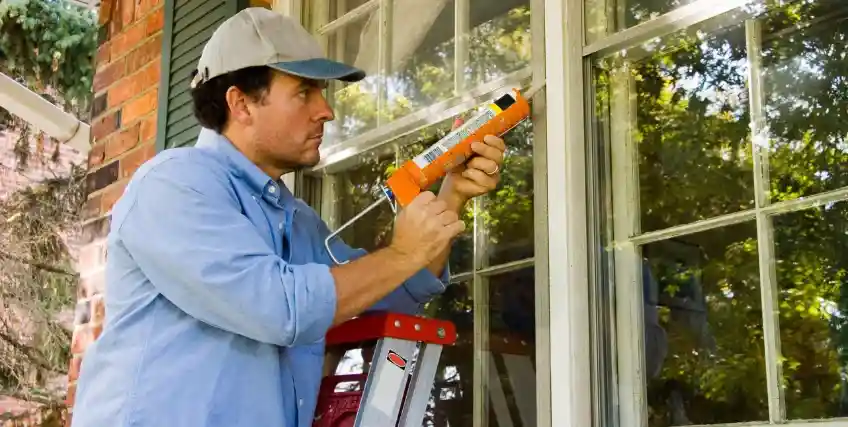
The Comfort Home Program from the New York State Energy Research and Development Authority (NYSERDA) provides incentives to homeowners in the state to get energy-efficient upgrades by working with a qualified contractor (here’s how to become one). Upgrades can include insulation, high-performance windows, sealing air leaks, and more.
Housing repair grants for small businesses may be available on the federal, state, and local levels. However, eligibility can be limited as you must meet very specific requirements.
3 Ways Housing Repair Grants Can Benefit Home Repair Businesses
While these housing repair grants are geared toward homeowners, they help businesses in a few important ways by:
Driving up demand for home repairs and renovations
Helping provide funds to licensed contractors and partners
Reducing financial barriers, making it easier to start energy-efficient projects
Homeowners who receive housing repair grants for energy-efficient upgrades boost demand for your services. This can lead to more work for home renovation companies or home repair businesses, ultimately increasing revenue.
Housing repair grants may be awarded to homeowners, but business owners are paid to do the work. Licensed contractors and companies connected to specific government agencies and nonprofit organizations stand to benefit from these repair assistance programs.
Making home repairs and improvements for energy efficiency can be a substantial investment. Housing repair grants from the federal, state, or local government can lower the upfront cost and speed up the sales cycle. As a result, businesses may see an increase in clients and get higher-value projects.
Funding Options for Home Repair Businesses
Since housing repair grants are generally granted to homeowners, you might wonder what funding options are available directly to home repair businesses or similar service providers. Some options include:
Term Loans
SBA Loans
SBA 7(a) loans: With financing up to $5 million, eligible business owners can use SBA 7(a) loans to improve real estate (such as energy-efficient upgrades), for equipment, machinery, and working capital.
SBA 504 loans: These loans are for major fixed assets and funds can go toward existing buildings, land, and long-term machinery and equipment. Similar to SBA 7(a) loans, the maximum loan limit is $5.5 million.
Microloans: If you need a smaller loan to get started, microloans provide up to $50,000 for equipment, machinery, working capital, supplies and fixtures.
Business Lines of Credit
Commercial Real Estate Loans
For larger-scale projects or energy-efficiency upgrades on a commercial property, term loans are a solid option providing upfront funding. As a financing solution, term loans can be appealing as they typically come with fixed interest rates and repayment terms. So, business owners can access the funding they need and budget for the monthly payments.
The Small Business Administration has three main loan programs that may help home repair businesses cover the cost of energy-efficient upgrades. These include:
Borrowers should be aware that the application process can be lengthy, with funding taking more time as well. That’s the primary drawback, but the main benefit is that SBA loans are backed by the government agency, therefore reducing lenders’ risk.
Depending on your business needs, you may need a financing solution that’s more nuanced. A business line of credit is an alternative to a traditional loan. Instead of receiving a lump sum, borrowers are approved for a credit limit from which they can tap funds on an ongoing basis.
It provides maximum flexibility as borrowers only pay interest on what they actually use. Plus, once you pay down the balance, the credit limit resets like you might see with a credit card.
So, if you get a credit limit of $75,000 but only need $45,000 to complete your project, interest will be charged on the $45,000. As you repay that amount, you might realize down the line that you need additional funds to complete a separate project.
From there, you can access additional funds as needed. These arrangements can be attractive, but it’s important to understand how repayment is structured and any potential fees.
Business owners looking to lower utility costs can look into energy-efficient upgrades, like solar panels, LED lighting, and HVAC systems. If you want to purchase a commercial property with these features or make significant upgrades on your existing property, a commercial real estate loan can help.
Green energy upgrades like these can both reduce costs and increase property value, providing short-term and long-term benefits.
Before applying for financing, understand your goals to identify the type of financing that might best serve your business needs. Compare lenders across a range of platforms and look at eligibility requirements, interest rates, fees, and repayment terms.
These funding options, along with housing repair grants and other energy-efficiency initiatives, may help increase revenue and generate leads. Understanding how each program and loan option works allows you to serve clients effectively and expand your operations.
Final Thoughts
While housing repair grants are a tool to help homeowners who are making energy-efficient upgrades, the benefits can cascade down to business owners as well.
Whether you’re a contractor, home repair business, or home renovation company, you can capitalize on these funding opportunities to help grow your revenue. Contact your local housing authority, clean energy agency, or nonprofit organizations and apply to be a licensed contractor or service provider for relevant programs.
Beyond these grants, other financing options include term loans and business lines of credit. Compare lenders and rates to find the best option for your needs. Whether grants or loans, funding solutions are available for savvy business owners who get in front of the right programs and lenders.
Loan for general home maintenance business Articles
Using Loans for Home Maintenance Businesses to Hire, Train, and Retain Skilled Workers
Loans for Home Maintenance Businesses: Funding Expansion Without Overextending
Loans for Home Maintenance Businesses: Financing Options
FAQs about Housing Repair Grants
Find more information about housing repair grants, how they work, and how businesses may benefit with these answers to frequently asked questions.
1. Who Qualifies for Housing Repair Grants?
Typically, homeowners can apply for housing repair grants, but they must meet the eligibility requirements set by the administering government or nonprofit organization. While business owners usually cannot receive these grants directly, they can benefit by performing the work funded by these programs. Contractors and repair companies can contact local housing and energy authorities to learn about potential opportunities.
2. Are There Grants for Home Renovation Companies?
In general, grants are available to homeowners rather than home renovation companies, including housing repair grants for energy-efficient improvements or upgrades. However, home renovation companies may indirectly benefit from these programs by contracting with program administrators or performing the funded work.
3. Which Agencies Administer Housing Repair Grants?
Housing repair grants are offered by different federal, state, and local government agencies. The three main federal agencies that administer housing repair grants include the Department of Housing and Urban Development, the U.S. Department of Agriculture, and the U.S. Department of Energy. State and local resources may vary.
4. Where Can You Find Funding for Home Repair Businesses?
Home repair businesses can find funding from banks, credit unions, the Small Business Administration, and online lenders. Many financing options are available, including term loans, SBA loans, business lines of credit, and equipment financing. Before applying, borrowers should compare interest rates, fees, and repayment terms to make sure they're getting competitive offers.
5. Can Home Improvement Loans Be Used for Energy-Efficiency Upgrades?
In many cases, home improvement loans can be used for energy-efficient upgrades, such as installing solar panels, new HVAC systems, or improved insulation. These loans are typically available to homeowners, but businesses can benefit by performing the contracted work. Owners of commercial properties may also qualify for other financing options to support energy-efficiency improvements.