Using Loans for Construction Equipment Rental to Manage Seasonal Demand
February 10, 2026 | Last Updated on: February 11, 2026

By Nick Perry
Looking for Business Financing?
Apply now for flexible business financing. Biz2Credit offers term loans, revenue-based financing, lines of credit, and commercial real estate loans to qualified businesses.
Set up a Biz2Credit account and apply for business financing.
In this article:
- Exploring the unique challenges faced by construction equipment leasing companies.
-
Understanding how heavy equipment leasing companies can utilize financing solutions to manage cash flow and growth.
- Discovering how to leverage different purchase options through traditional banks, online lenders, and specialized construction equipment finance companies.
The construction world is cyclical. Some parts of the year are very busy, while others are very quiet. Since business needs change so much throughout the year, many construction companies utilize unique leasing options through construction equipment leasing companies. With unique leasing and financing programs, these companies rent out cranes, excavators, bulldozers, and other types of equipment that build our world. But they, too, are impacted by the cyclical nature of the construction industry.
Seasonal demand creates a big puzzle for construction equipment leasing companies. In the summer, everyone needs a machine. In the winter, many machines sit idle. One of the best ways to stay profitable throughout the year is through soft borrowing. Heavy equipment financing can help your business manage cash flow and optimize growth when the market is hot.
Financial Challenges for Construction Equipment Leasing Companies
The heavy equipment industry requires a lot of upfront capital to acquire the necessary equipment to run the business. Construction equipment leasing companies are a bit different than other small businesses in that they have such significant financing needs that they must balance them with sustainable growth.
Seasonal Challenges
In many places around the country, construction work stops when the ground freezes. Construction equipment leasing companies see a significant dip in demand, which has a negative impact on their balance sheet. However, when spring arrives, every contractor wants a backhoe, compactor, skid steer, or something else all at the same time. If a company doesn’t have enough machines, it risks losing customers. But buying a new machine may cost hundreds of thousands of dollars. Construction equipment leasing companies are constantly balancing the need to buy more equipment without knowing if the summer profit will cover the winter cost.
High Upfront Costs
Most construction equipment leasing companies can’t pay cash for all of the machines in their fleet. They must use financing options, which typically always come with interest and other borrowing costs. You still have to repay debt, even if the machines aren’t being rented, which puts a strain on the monthly budget.
Maintenance and Storage
Machines need significant maintenance. Even when it’s just sitting in the yard, it costs money to store, to insure, and to maintain. Construction equipment leasing companies can lease used equipment to multiple customers, but only if it’s well taken care of.
Strict Credit Requirements
Traditional banks may see the construction industry as high-risk, requiring significant collateral to approve loans. For most equipment loans, the equipment itself serves as collateral to secure the loan. This means the lender can take the equipment if you fail to repay the loan. But if you can’t make payments and lose the equipment, you can’t generate more revenue. The credit requirements, therefore, may be an existential risk to your company.
How Loans May Help Manage Seasonal Demands
Loans are a tool for every small business. For construction equipment leasing companies, they are an invaluable resource for managing money. Loans can support these businesses in several ways.
Bridging Seasonal Gaps
A working capital loan can provide cash to pay staff, rent a storage yard, and cover maintenance and insurance costs in the offseason. When the busy season returns, you can pay the loan back. Construction equipment leasing companies can use loans to avoid laying off skilled workers and covering the essential operating costs that keep the business stable.
Expanding the Fleet
When a big project starts in town, demand spikes. Construction equipment leasing companies can use equipment-backed loans to buy new gear to meet evolving demand. The rental income from new equipment purchases pays off the loan, while also opening a new revenue stream for the company.
Improving Cash Flow
Loans provide a cash flow cushion by ensuring construction equipment leasing companies don’t have to cover all of their equipment needs out of pocket. You may have to make a down payment on a loan, but it will be much less than the full cost of the equipment. This allows you to keep more cash in the bank for emergencies and to cover other operating costs. This flexibility is crucial in an industry that’s so seasonally dependent.
Types of Loans for Construction Equipment Leasing Companies
There are several financing options that can help construction equipment leasing companies manage seasonal gaps.
Equipment Loans
Equipment loans are very simple. The lender gives you money to buy a specific piece of equipment, using the equipment itself as collateral to secure the loan. If you fail to repay, they take the equipment. Because the risk is lower for the bank, equipment loan interest rates are often lower, making payments more manageable for construction equipment leasing companies.
Term Loans
Conventional term loans provide a lump sum payment upfront that you must repay with monthly payments based on an interest rate and loan term. You can often use these types of loans to acquire a specific asset, like a piece of heavy machinery. You might also use the term loan to cover maintenance costs for machines you already own or to cover payroll. As such, they may serve as working capital loans as well as equipment loans. It’s more flexible financing than equipment loans.
SBA Loans
The U.S. Small Business Administration (SBA) works with lenders to partially guarantee loan funds. This guarantee lowers the risk for lenders, incentivizing them to approve more borrowers. The SBA offers a range of loan programs, but the 7(a) and 504 programs are some of the best options for construction equipment leasing companies looking to acquire equipment.
The 7(a) program is the flagship SBA loan product, allowing you to borrow money for a range of business purposes. The 504 program is used for specific fixed-asset purchases. In either case, the SBA typically offers lower down payments, competitive interest rates, and longer repayment terms for qualified applicants than conventional term loans.
Business Lines of Credit
A line of credit is a cross between a credit card and a term loan. You’re approved for a maximum loan amount, but you only pay interest on what you use. Construction equipment leasing companies can use a line of credit as a safety net through the slow season, covering costs in January and repaying them in June when business picks back up.
Strategic Planning for Leasing Firms
Success doesn’t happen by accident. Leveraging loans is one tool towards an overall corporate strategy, and it’s imperative to think about the long term.
Demand Forecasting
With more experience, you can better predict when the busy season will start. This is crucial because it helps align your payment timelines with when your revenue is highest. If you wait until June to buy a machine, you’ll be making payments on it in the dead of winter when nobody is leasing it from you. Forecasting demand will help you buy at the right time.
Building Strong Relationships with Lenders
Lenders can be long-term partners. Many construction equipment leasing companies work with specialized lenders who understand the industry and want to partner on more than just one loan. The stronger your relationship with a lender, the less likely they are to panic during a slow month or deny financing requests for future equipment purchases.
Managing Debt-to-Income Ratios
You need to bring in more money on an equipment lease than you are paying for it in debt service. You can use software or a trusted CPA to track these numbers to ensure your debt-to-income (DTI) ratios are always healthy.
Benefits of Using Specialized Lenders
There are several types of financial providers you might consider for construction equipment loans. But while traditional banks may offer the lowest interest rates, they often don’t understand the construction industry or heavy machinery as well as specialized lenders. Specialized lenders may be a better fit for construction equipment leasing companies for several reasons:
-
Fast Funding Decisions: They know the machines, so they can value the collateral quickly.
-
Flexible terms: They might offer seasonal payments, allowing you to pay more in the summer and less in the winter, aligning with your busy season.
-
Industry knowledge: They can give advice on which machines are currently in high demand.
-
High loan amounts: Because they understand the asset, they may lend more money.
Final Thoughts
Managing a fleet is a hard job. The costs are high, and the offseason can be long. Construction equipment leasing companies that use loans effectively can weather seasonal changes and ensure they have the right tools at the right time to support client demand. By partnering with the right lenders and planning for the future, these firms can stay ahead of the competition.
Construction Rental Equipment Financing Articles
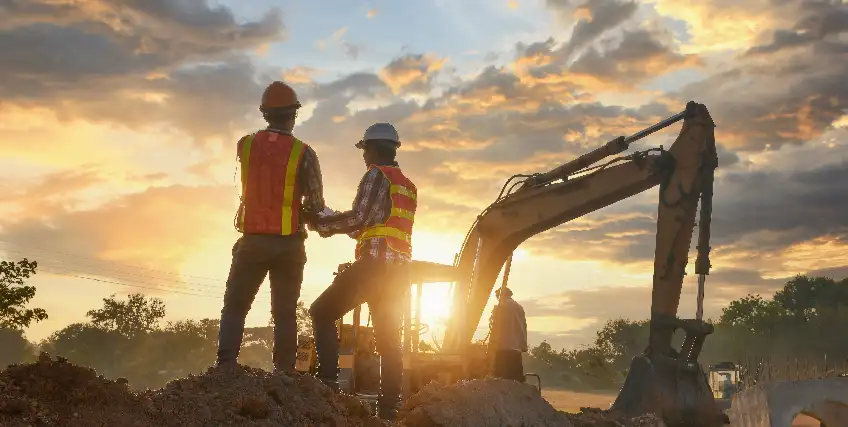
How Heavy Equipment Rental Loans May Help Grow Your Construction Equipment Rental Business
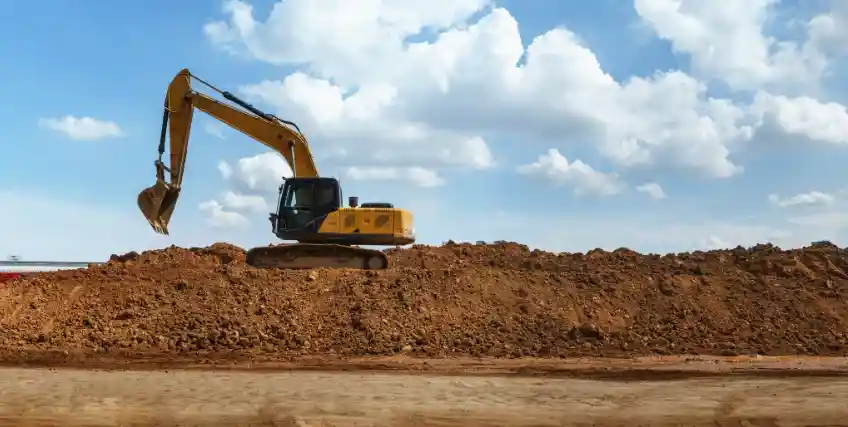
Possible Benefits of Using Construction Equipment Finance Companies for Heavy Machinery
Construction Machinery Financing: A Complete Guide for Contractors and Equipment Owners
FAQs About Construction Equipment Leasing Companies
1. How do construction equipment leasing companies handle slow winter months?
Each company may have a different approach, but many leverage working capital loans or lines of credit. These funds can help cover fixed costs like payroll and rent when rental income is low.
2. Is it better to lease or buy equipment for a leasing business?
This mostly depends on your requirements. While financing allows construction equipment leasing companies to own the asset and build equity in smaller payments, buying includes paying a huge amount upfront. If you don’t want to be tie up in long repayment terms, buying the equipment maybe helpful.
3. What credit score do I need to get a loan for a leasing business?
Every lender has different eligibility requirements for loans. Equipment-backed loans often have more flexible credit score requirements since they are collateralized with the equipment itself.
4. Can new construction equipment leasing companies get financing?
New firms may be able to secure financing, but it can be slightly more difficult. They may be required to provide a larger down payment, show proof of signed contracts from future customers, or an outstanding business plan.
5. What are seasonal payment structures?
In this special loan agreement, the borrower pays more during busy months and less during slow months. It’s popular among construction equipment leasing companies because it matches their actual cash flow.