How Financing for Businesses Can Help Fund Water Park Renovations and New Rides
The self-storage industry is massive, standing at It also has an ample scope for investment and early movers can gain an edge with self-storage business loans. Business owners may use these loans, including self storage SBA loans for launching a new self-storage business or expanding their existing self-storage facilities. From increasing facility size, entering new markets, investing in safety equipment to doing payroll and managing cashflow, self storage business owners can use commercial loans for a number of purposes.
To begin with, now small business owners can acquire self-storage equipment without paying the full cost upfront by using financing options with competitive interest rates.
These self-storage business loan programs can be used for refinancing purposes as well and help owners secure better repayment terms. Let us discuss the available self storage business loan options in little more depth.
What are Self Storage Business Loans?
Self-storage businesses help both individuals and businesses manage their additional storage requirements with the help of short-term container rentals. These containers are entirely managed by the business, who also ensure the security of the belongings in self-storage. Now to capitalize in the industry, self storage businesses mostly need funds to set up new facilities, invest in safety options, offer insurance to their customers or simply for payroll or marketing. All these operations can be managed with the help of a self storage business loan.
Many private lenders and even federal programs like SBA offer self storage business loans today at competitive interest rates. Entrepreneurs can reach out to them and share their loan requirements.
Types of Self Storage Business Loans
SBA Storage Facility Loans
The Small Business Administration (SBA) offers federal loans to small businesses. While they themselves don’t offer the loan, they help businesses connect with certified development companies (CDCs), get better loan terms, and even guarantee the loans. However, the evaluation process for an SBA loan for self storage can be long.
The two common types of SBA loans for self storage facilities include:
- SBA 504 loans: It is a government backed economic development program, that provide long-term, fixed rate financing for major assets like heavy machinery and commercial real estate. The maximum loan amount would be 5.5 million. , fixed rate financing for major assets like heavy machinery and commercial real estate.
- SBA 7(a) loans: These loans have a r maximum loan amount of up to $5 million but also have a strict eligibility criteria and underwriting. Borrowers need to a have proper business plan and extensive documents to support their income.
Both 504 and 7(a) loans are guaranteed by SBA. Note that SBA 7(a) Express Loan only has 50% guarantee.
Term Loans
Traditional term loans can also provide quick access to funds to self storage owners. These come with a fixed tenure and flat or variable interest rate. Based on the borrower profile, lenders can offer multiple loan options for self storage businesses. Business owners can review the offers and negotiate the loan terms with lenders, eventually lowering their monthly payments.
Business Line of Credit
A business line of credit gives businesses access to funds up to an approved limit. Unlike a term loan, you draw only what you need and pay interest only on the amount used. These cash reserves don’t usually mean approved loans, instead, lenders issue loan to businesses as per their available credit line. This way, qualifying for business line of credit becomes easier. Also, business owners don’t need to pay interest on the entire assigned credit line. They pay on the amount drawn. With loan amortization, as owners keep making monthly payments, their credit line keeps freeing up, providing flexibility to take future loans without repeated hard credit pulls.
Revenue Based Financing (RBF)
RBF as a self storage financing option is an alternative to small business loans. It keeps the monthly payments in proportion to the income of self-storage properties, even though it’s not a loan, but a advance on a businesses future receivables. Under this financing option, there’s no fixed monthly payment. Instead, owners pay back in small percentages of their monthly revenue. This simplifies the repayment and also keeps the owner’s debt-to-income ratio in check. RBF can be very useful for startups who require instant funds but cannot afford paying heavy monthly payments that deplete profit and interrupt cashflow.
Commercial Real Estate Loans (CRE)
Commercial real estate loans help businesses purchase, refinance, or improve income-generating properties. For self storage businesses, commercial real estate loans can help set up front desk offices, storage facilities, and warehouses. Lenders may ask self storage business owners to keep a collateral to secure the loan or may mortgage the commercial real estate property itself. To secure a self storage business loan like CRE, businesses are usually required to show income stability and ideally 18-24 months in existence.
Equipment Loans
Portable storage containers and security systems may qualify for equipment financing. Thus, to expand their rental fleet, self storage business owners can rely on equipment loans as well. These loans are secured, as the equipment itself serves as a collateral. In case of any default in monthly payments, the lenders can seize the equipment and sell it to recover the loan. As equipment loans are comparatively lower risk, self storage business owners can get lower interest rates on them.
Construction Loans
Another self storage business loan that owners can take is a construction loan. It is not to be confused with commercial real estate loans with which business owners can invest in readily available properties for business occupancy. Instead, in construction loans, loan amount is disbursed in stages in relation to work completion. The stages are pre-decided in the loan agreement. In case of default, the land designated for construction serves as the collateral. The loan tenure of construction loans is also smaller, just 1-3 years in comparison to commercial real estate loans.
Renovation Loans
These are short term self storage business loan options that owners can rely on to update their existing storage facilities. Self storage businesses may require renovation loans for various purposes, including integrating safety tech to provide more competitive offerings to customers and increase conversions.
What Can You Do with Self Storage Business Loans?
Setting up new fleet size
Expanding fleet size is essential for business scalability.
Renovating Existing Facilities
Business owners can use self storage business loans to renovate existing facilities and repairing damaged containers.
Managing Payroll
For the maintenance and security of storage units, self storage businesses are required to hire some workforce. They can use the loan amount for paying the salaries of their employees as well.
Investing in Security
A self storage business runs heavily on the security they offer to customers. Their security options can include electronic locks like fingerprint scanners, facial recognition, passcode combination locks and more. With a business loan, self storage business owners can immensely upgrade their security.
For Cash Flow Management
Situations like extended vacancies, damaged containers and storage units, etc. can create cash flow problems for the business. Business loans can be used overcome these cash flow problems as well.
Refinance Existing Loans
Business financing can be used for refinancing existing loans as well. Business owners do this for various reasons, like securing a higher loan, getting lower interest rates, or to simply strike off a co-signee’s name.
For Credit Score Improvement
Business credit score is different from personal credit score, and business owners proactively need to maintain them. By timely repaying their self storage business loan, business owners can increase their credit scores.
Types of Storage Facilities Entrepreneurs can Build with Self Storage Business Loans
How to Select the Right Lender for Self Storage Business Loans
Choosing the right lender affects your borrowing cost, repayment terms, and funding experience. Compare multiple options before applying.
01 Compare Loan Terms Carefully
Interest rates matter, but they are only one part of the offer. Look at repayment periods, down payment requirements, fees, and prepayment rules. A lender offering a lower rate may charge higher fees elsewhere. When seeking a self storage business loan, review the full borrowing cost. Read the loan agreement closely and ask for a detailed breakdown of charges before moving forward.
02 Check Industry Experience
Some lenders regularly finance storage facilities, while others focus on general commercial lending. A lender with storage industry experience may better understand occupancy trends, expansion plans, and property valuation. When evaluating a self storage business loan, ask about previous deals in the sector. Their experience may help streamline reviews and reduce back-and-forth requests during the approval process.
03 Evaluate Funding Speed
Loan processing timelines vary widely. Traditional lenders may take several weeks, while some online lenders move faster. If you are buying a facility or completing renovations, timing often matters. Before accepting a self storage business loan offer, ask how long underwriting, approval, and funding typically take. Delays may affect purchase agreements, construction schedules, or planned business improvements.
04 Review Customer Support and Reputation
Strong customer support helps when questions arise during underwriting or repayment. Read reviews, check complaint histories, and look for feedback from business borrowers. You might also ask other storage facility owners about their experiences. A self storage business loan involves a long-term financial commitment. Responsive support and transparent communication often make the process easier from start to finish.
Tips to Secure Self Storage Business Loans
Maintain a credit score above 650
This can be achieved with mix credit utilization, timely payments, and reporting any discrepancies to credit bureaus.
Lower your Debt-to-Income (DTI) ratio
Lenders typically use the Debt Service Coverage Ratio (DSCR) to assess repayment capacity. By paying off previous debts, or opting for a smaller loan amount, borrowers can increase their chances of securing a self storage business loan.
Draft solid documentation
For various self storage business loans, lenders require solid documentation, which can include balance sheets, business plans, partnership documents, existing clients, etc. This also helps show good income stability to lenders.
Pay a recommended 20% down payment
While down payment decreases your loan-to-value (LTV), it lowers the risk for lenders and increases your chances of securing a loan at good terms.
Plan your collaterals
Business owners may use self storage business loans quite strategically. They can also plan collaterals like business assets or home equity in advance.
Consider short term loans
Along with opting for long term loans, try opting for short term loans like revenue-based financing and merchant cash advances (MCAs) as well, though MCAs typically carry higher costs than other financing options. This helps you ensure easy repayment, without multiple hard credit pulls.
Mistakes to Avoid When Applying for Self Storage SBA Loans or With Other Lenders
Not Reviewing Financial Records
Lenders expect accurate income statements, cash flow reports, and business performance data. Missing information often slows approval and creates unnecessary concerns.
Borrowing More Than Necessary
Taking a larger self storage business loan than required may increase monthly payments and place extra pressure on cash flow.
Overlooking Total Loan Costs
Focusing only on interest rates may cause you to overlook fees, closing costs, and other expenses tied to the financing agreement.
Submitting Incomplete Documentation
Missing tax returns, ownership records, or property information often leads to processing delays and additional lender requests.
Skipping Lender Comparisons
Accepting the first offer without comparison may result in less favorable terms. Reviewing multiple lenders often provides a clearer picture of available options.
Trusted by Thousands of Small Business Owners in America.**
Simply because we get what you go through to build a business you believe in.
**Disclaimer: All stories are real, as told by real business owners. Customers do not receive monetary compensation for telling their stories.
From One Entrepreneur to Another: We Get You
We understand what's behind building a business you believe in.
All stories are real, as told by real business owners. Customers do not receive monetary compensation for telling their stories.


Loan for Self-Storage Business Articles
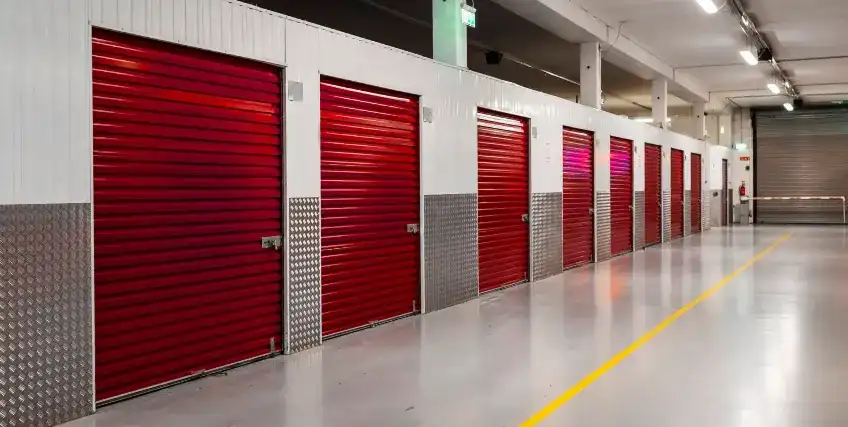
Why SBA Loans for Storage Facilities Are One of the Best Long-Term Financing Options for Growth
In today’s competitive business market, growth in the self-storage industry rarely happens by accident...
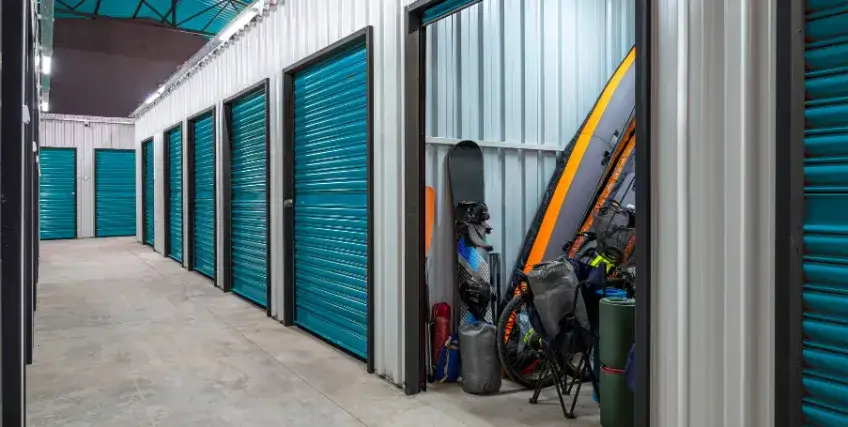
Self-Storage Financing Options for Beginners and First‑Time Investors
In the United States, the self-storage industry is continuously attracting attention from business owners...

Refinancing a Self-Storage Business Loan: When Should You Consider Doing It
In the United States, self-storage businesses rarely stay static for long. This is because facilities expand...
FAQs About Self Storage Business Loans
1. What are self storage business loans?
Self storage business loans help business owners get quick access to funds to fulfill various business requirements like fleet size expansion, building warehouses and other storage facilities, managing cashflow, payroll and even marketing. These are of various types like business line of credit, term loans, commercial real estate loans, etc.
2. What are self storage SBA loans?
Self storage SBA loans and SBA storage facility loans probably refer to federal loan programs offered by the Small Business Administration of US. Instead of providing the loan itself, SBA connects self storage business owners with trustworthy lenders and also guarantee the loan.
3. How to select the right SBA loan for self storage?
To select the right SBA self storage business loan or sba storage facility loans, consider your loan amount requirements and purpose behind the loan. Some loans may be unsecured, others may require collateral. Additionally, along with interest rates, compare additional pricing as well, such as loan origination fee, prepayment penalty and foreclosure penalty.
4. What are the eligibility criteria to secure self storage business loan?
Different lenders have different criteria. Generally, they evaluate the creditworthiness of a borrower on the basis of their credit score, business age, debt-to-income value, downpayment, collateral, business plan, etc.
5. Why should I opt for revenue-based financing instead of taking a traditional loan?
In revenue-based financing, the monthly payments aren’t fixed. Instead, they vary in proportion to your monthly revenue. Self storage business owners are only required to pay a small percentage of their monthly gross revenue in repayment. This helps maintain their debt-to-income ratio, simplifies repayment and ensures uninterrupted cashflow.
Frequent searches leading to this page
Term Loans are made by Itria Ventures LLC or Cross River Bank, Member FDIC. This is not a deposit product. California residents: Itria Ventures LLC is licensed by the Department of Financial Protection and Innovation. Loans are made or arranged pursuant to California Financing Law License # 60DBO-35839