Why SBA Loans for Storage Facilities Are One of the Best Long-Term Financing Options for Growth
March 03, 2026 | Last Updated on: March 09, 2026

By Anjali Patel
Looking for Business Financing?
Apply now for flexible business financing. Biz2Credit offers term loans, revenue-based financing, lines of credit, and commercial real estate loans to qualified businesses.
Set up a Biz2Credit account and apply for business financing.
Key Takeaways
- SBA loans for storage facilities help small businesses grow with stable and predictable repayment terms.
- SBA loans are backed by the federal government offering lower interest rates along with improved pricing.
SBA loans support real estate, new construction, renovation, and refinancing strategies for self-storage businesses.
- Business owners can improve loan approval chances by projecting strong cash flow, updated financial statements, and having a clear business plan.
SBA loan programs like SBA 7(a) loans and SBA 504 loans suit different types of business goals when financing for self-storage businesses.
- Working with experienced SBA lenders and Certified Development Companies help business owners simplify the process for SBA financing.
In today’s competitive business market, growth in the self-storage industry rarely happens by accident. Business owners are continuously keeping an eye on population shifts, housing trends, and local demand before expanding their business. Hence, when planning for business expansion, they must plan it long back to generate long-term revenue and protect market share.
However, expansion requires capital, and capital requires funding. Business owners need to make smart funding choices for expanding their business. They need to keep construction costs, land prices, and tenant expectations in mind while growing their business. As a result, long-term business financing becomes essential for small business owners who are planning to acquire an existing facility or purchase new storage units.
This article explains why SBA loans for storage facilities remain one of the most effective business financing options for expansion. It also outlines how business owners can use these loans to support stable growth.
What Are SBA Loans
SBA loans are business financing tools backed by the U.S. Small Business Administration. These loans are designed for small businesses seeking working capital. Here the SBA guarantees a part of each business loan, which lowers the risk for the lender.
Because these loans are guaranteed by the SBA, qualified applicants often receive better repayment terms, longer loan term options, and competitive interest rates. As a result, these benefits make SBA loan programs popular across industries that often depend on commercial real estate.
Different Types of SBA Loans
Here are the different types of SBA loans available for business owners in the U.S.:
SBA 7(a) Loans: These flexible loans support acquisitions, working capital, or refinancing. Many business owners use these loans for mixed funding needs.
SBA 504 Loans: These loan programs focus on fixed assets such as property and buildings. This structure combines bank financing with support for Certified Development Companies (CDC).
SBA Express Loans: These loans offer smaller loan amounts and faster decisions to help businesses address short-term needs. Many business owners use these loans for minor upgrades or operational support.
SBA Microloans: These loans also offer smaller loan amounts and are perfect for startups and new entrepreneurs with no or limited credit history.
Understanding SBA Loans for Storage Facilities
SBA loans are one of the most popular funding options for long-term growth and adapt well to the needs of a self-storage business. These businesses usually generate recurring revenue once stabilized, which in turn strengthens underwriting confidence.
SBA loans for storage facilities can be used to support:
- Purchasing of land for a new facility.
- Expansion of an existing facility.
- Developing additional self-storage facilities.
- Large construction projects for renovation work.
- Replacing costly debt through refinance strategies.
In short, SBA loans for storage facilities help businesses expand to new suburban sites or add extra units for increased occupancy. This improves cash flow, helping businesses grow at a faster rate.
Why Long-Term Financing Matters in The Self-Storage Industry
In the self-storage industry, properties grow value gradually. This is because lease-up periods, marketing cycles, and community awareness influence revenue timing for self-storage owners.
Thus, long-term self-storage financing matters because it:
- Helps business owners align amortization schedules with gradual occupancy rates. Because lower payments preserve operating liquidity during early expansion phases.
- Supports reinvestment into marketing and customer experience. Business owners can use funds to invest in advertising, security upgrades, and software systems.
- Protects against interest-rate volatility. Because SBA loans for storage facilities offer fixed rates that help reduce uncertainty and support stable planning.
- Improves lender confidence in expansion strategy. Hence, with structured repayment plans, business owners can perform financial management in a disciplined way.
Therefore, storage facilities financed with patient self-storage lending often achieves stronger long-term returns because liquidity remains available.
Possible Benefits of SBA Loans for Storage Facilities
Here are some possible advantages of using SBA loans for storage facilities for business owners in the U.S.:
- Lower Monthly Payments Support Cash Flow
- Reduced Down Payment Requirements
- Investing in marketing campaigns to attract new clients.
- Funding security upgrades to increase tenant confidence.
- Upgrading staffing improvements for better service quality.
- Competitive Pricing and Interest Rates
- Flexible Use of Funds
- Purchasing property within a commercial real estate strategy.
- Upgrading infrastructure or facility expansion.
- Improving technology or tenant access systems.
With SBA 7(a) loans, business owners can have long repayment periods that can stretch payments across years. This structure protects cash flow during construction or lease-up phases. Moreover, having reliable liquidity allows business owners to invest in other areas such as automation, marketing, and tenant retention. Hence, all these investments often improve occupancy and revenue consistency.
Traditional business loans usually require larger equity contributions. Whereas SBA loans for storage facilities often accept a lower down payment, which in result preserves capital. These funds can be used for:
Hence, self-storage facilities that reinvest early often reach stable occupancy faster.
For SBA loans, federal guarantees reduce lender risk. As a result, interest rates and overall pricing often remain more favourable than private financing. Also, lower borrowing costs may increase profitability across the full loan term. Therefore, business owners can easily redirect savings into expansion initiatives.
SBA loans for storage facilities can be used across multiple business needs. This flexibility suits diverse expenses that are involved in self-storage lending.
SBA financing can be used for:
Hence, all these improvements contribute to higher property value and improved tenant satisfaction.
How SBA Loans Support Different Growth Strategies
Here’s how SBA loans for storage facilities support different growth strategies for a business:
- Acquiring Existing Facilities
- Developing New Facilities
- Expanding Current Facilities
- Climate-controlled conversions.
- Multi-level additions.
- Parking storage for vehicles or boats.
- Refinancing Existing Debt
Acquiring existing facilities in the self-storage industry offers faster revenue growth than building from scratch. With SBA loans for storage facilities business owners can purchase stabilized properties with proven demand.
Growing suburbs often lack sufficient storage supply. SBA loans for storage facilities support new construction by funding land, design, and infrastructure. Hence, a carefully chose site can generate steady returns over decades. Also, market research and demographic analysis can help strengthen these decisions.
Expansion projects usually deliver strong returns. And having additional units increase revenue without requiring new land purchases.
SBA loans for storage facilities may support:
Hence, each addition broadens the customer base.
Older loans may carry higher rates or restrictive terms. Refinancing can replace them with longer, more affordable structures. Additionally, improved financing often frees funds for future growth or operational investment.
How to Apply for SBA Loans
The application process for SBA loans for storage facilities follow several structured steps. Thus, planning improves efficiency and reduces surprises.
Typical stages include:
- Defining the funding objective and required loan amount.
- Preparing financials, projections, and a formal business plan.
- Submitting documentation through approved SBA lenders.
- Completing property appraisal and credit review.
- Finalizing repayment terms and closing the loan.
Although processing time may exceed some loan options, the long-term advantages often justify the effort.
Common Mistakes Self-Storage Owners Should Avoid
Even strong projects can face obstacles if planning lacks detail. Therefore, it is important to have awareness of common issues to improve approval chances for SBA loans for storage facilities.
Frequent pitfalls include:
- Overestimating demand for a startup or new facility.
- Ignoring working capital needs during expansion phases.
- Selecting financing with restrictive prepayment penalty terms.
- Applying without a detailed business plan.
- Failing to compare self-storage loans across multiple lenders.
Therefore, careful planning prevents delays and strengthens long-term outcomes.
The Bottom Line
Business growth in the storage sector depends on having stable financing and disciplined planning. Hence, business owners who align funding with property timelines often achieve stronger performance and smoother expansion.
SBA loans for storage facilities offers long repayment horizons, flexible structures, and competitive costs. Moreover, this business financing option supports acquisitions, construction, and operational investment without draining liquidity.
So, if your storage facility is preparing for expansion, explore SBA funding with experienced SBA lenders to secure your next stage of growth.
Loan for Self-Storage Business Articles
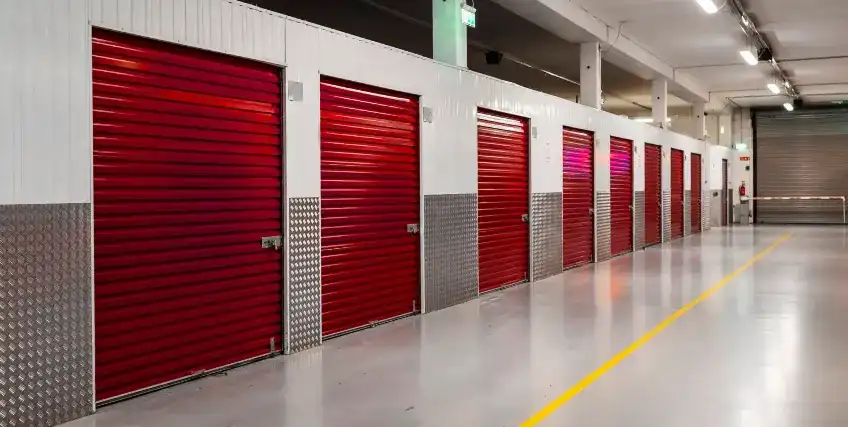
Why SBA Loans for Storage Facilities Are One of the Best Long-Term Financing Options for Growth
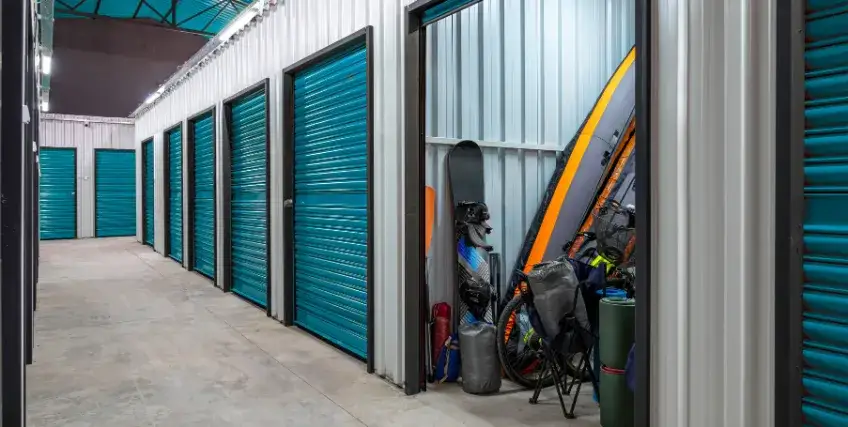
Self-Storage Financing Options for Beginners and First‑Time Investors
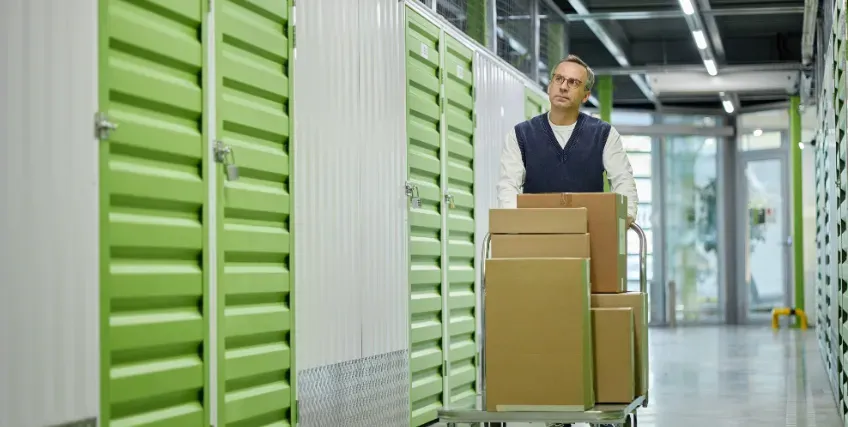
Refinancing a Self-Storage Business Loan: When Should You Consider Doing It
FAQs About SBA Loans for Storage Facilities
1. Can SBA loans be used to purchase a self-storage facility?
Many self-storage owners use SBA financing to buy an existing facility. Lenders often prefer stabilized properties because they show predictable income and occupancy trends.
2. What SBA loan programs are best for storage facilities?
The most common options include SBA 7(a) loans for flexible funding and SBA 504 loans for real estate purchases or construction. Hence, each option of SBA loan for storage facilities suits different project types and repayment goals.
3. How much down payment is required for an SBA storage loan?
Most SBA loans require a down payment. However, the exact amount depends on borrower experience, property performance, and lender requirements.
4. Are interest rates on SBA loans fixed or variable?
SBA loans may offer both fixed and variable rates. Many storage owners prefer fixed rates because they provide payment stability across long repayment periods.
5. What do lenders look for when approving SBA loans for storage facilities?
Lenders review credit history, cash flow, occupancy rates, financial statements, and the borrower’s experience. Also, having a clear business plan and strong market demand also improve approval chances.
