How Does a Credit Card Work? A Guide for Small Business Owners
October 19, 2026 | Last Updated on: October 19, 2026

Looking for Business Financing?
Apply now for flexible business financing. Biz2Credit offers term loans, revenue-based financing, lines of credit, and commercial real estate loans to qualified businesses.
Set up a Biz2Credit account and apply for business financing.
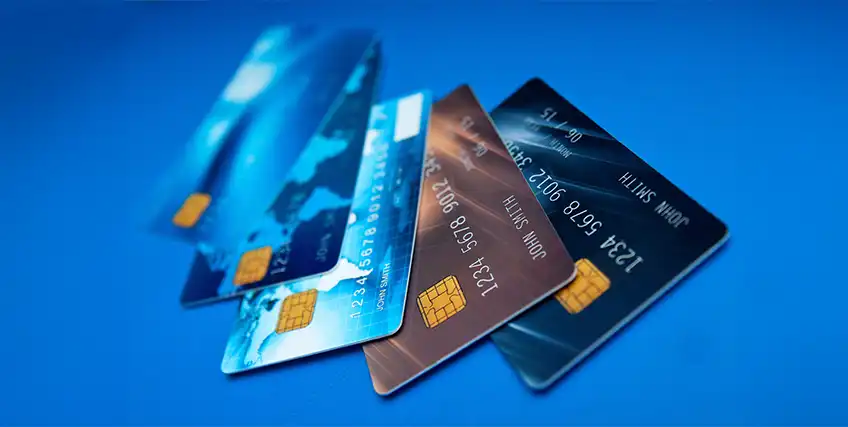
Credit cards are among the most widely used financing options available today. From consumers to businesses, millions of people make credit card payments and avoid large upfront cash outlays. Whether you’re shopping online on an eCommerce website, purchasing flight tickets, booking a hotel, or simply covering everyday business expenses, credit cards can be used for all. However, on the front end what looks like an easy process, a lot many things go on the backend. But not every user thinks about how a credit card actually work and what is the actual extent of its benefits.
Along with being a payments tool, a credit card is helpful for building credit history, ensuring adequate credit utilization, and also comes with various cashbacks and rewards. Business credit cards, those specifically designed for businesses come with higher credit limits, employee cards, and expense tracking features.
This article covers how credit cards work, how business credit cards work, and the key benefits for small business owners.
How Does a Credit Card Work?
Credit cards provide a convenient way to make payments without carrying heavy upfront cash. Depending on your credit limit, you can make large transactions as well. Due to the global adoption of credit cards, making both offline and online transactions is possible. If you use credit cards strategically, you might be able to avoid the common pitfalls.
Understanding the Functioning of a Credit Card:
Credit cards are physical cards linked to a digital credit account. You may not necessarily need a bank account to open a credit card, though this might limit your options. Through a credit card, you can withdraw funds from a pre-assigned credit limit. The funds are to be repaid with a certain interest rate by the end of a billing cycle. As you repay the amount, you keep unlocking certain portions of the credit limit, which may be used to make purchases again. To facilitate the payments, these cards are often linked to a payment network like Visa or Mastercard, which is responsible for moving the funds.
There are also two types of credit cards, the ones that provide revolving access to funds and charge cards. While you get the option to pay a minimum amount and carry forward the rest of the balance to the next billing cycle in the former, charge cards don’t have any such option. You need to pay the entire credit card bill at once and cannot make a minimum payment.
Also, a late fee might apply in case you miss a due date. And you might need be charged a higher interest rate on the balance you carry forward to the next month.
How Do Business Credit Cards Work?
Business credit cards work much like personal credit cards, but they are designed specifically for business-related expenses. A lender assigns a credit limit based on factors such as your business revenue, credit history, and overall financial profile. You can use the card to pay for inventory, equipment, supplies, travel, or everyday operating costs. At the end of each billing cycle, you receive a statement and can either pay the balance in full or make a minimum payment, depending on the card terms. As you repay the balance, your available credit is restored for future use. Many business credit cards also offer rewards, expense tracking tools, and employee cards, making it easier to manage cash flow and monitor business spending while building a stronger business credit profile.
How to Apply for a Credit Card
The application process for a credit card varies for each bank and credit card issuer. The process also might be slightly different for a business credit card as it may require you to submit more documents and business proofs.
The following might give you some idea of the application process:
Step 1: Check your eligibility
Step 2: Select a credit card
Step 3: Gather documents
Step 4: Fill in the online application
Step 5: Wait for Decision
Make sure you meet the minimum credit score requirements to qualify for the credit card. Ideally, a score above 640 falls under the ‘Good’ criterion as explained by the credit bureau Experian. For business credit card, you might need a business score above 80 on a scale of 1-100.
Compare different credit options. See their annual fee, available credit limit, interest charges, annual percentage rate (APR), introductory APR, foreign transaction fee, late payment fee, minimum monthly payment, and more. A few popular options include American Express, Brex, Chase, and Bank of America.
Collect all necessary documents such as your social security number, bank statements, business checking account statement, EIN, TIN, business formation documents, tax returns, and more. Make sure there are no discrepancies in the documents to ensure timely processing.
Today, you don’t need to visit a physical branch to apply for a credit card. Instead, you can simply apply for a credit card online on the bank’s official website or through their mobile app. The application process is often simpler, intuitive, and takes a few minutes. You might need to submit a few documents at this stage.
Wait for the card issuer’s approval. Ideally, this should only take a few business days. In case of approval, the bank will disburse the credit card to your provided address. The delivery may take 7 to 10 business days.
Benefits of Applying for a Credit Card
A credit card, particularly a business credit card comes with numerous benefits. Some of those are:
Adequate Credit Limit
Repayment Flexibility
Cashback Rewards system-ui
Employee Cards
Secured Credit Cards
Credit cards today are assigned after carefully reviewing your creditworthiness, credit reports, statement balance, and financial stability. Due to this, the credit limit is often proportionate to your income and can help you manage various types of expenses.
Many credit cards today offer flexibility in terms of repayment. Card owners can set any billing cycle of their choice to ensure it aligns with their cash flow. Apart from this, many cards offer revolving access to funds. Owners only need to pay a minimum amount and can pay the rest in the next billing cycle. Some card issuers also offer reward points and cashback points for timely payment.
Numerous credit issuers offer cash back rewards on each transaction. There are even rewards credit cards focused on providing you maximum rewards in terms of cash back points, travel rewards, fuel rewards, and more. These rewards can be redeemed through the numerous partner websites of the card issuer, including entertainment websites, eCommerce websites, hotel booking websites, flight booking websites, and more.
Corporates using business credit cards can get employee cards as well. These cards offer complete control of the spending limits of employees. You can even restrict purchases on the products of certain categories. Furthermore, you’ll get complete expense tracking systems for automated budgeting and accounting. Automation further helps reduce operational costs and resources on manual work.
There are secured and unsecured credit cards in the market as well. Unsecured credit cards generally offer more rewards and higher limits. Secured credit cards require a security deposit and are often used by businesses or individuals looking to build or improve their credit profile. For this, you need to submit a security deposit and can unlock a credit limit equivalent to that amount. Fines and penalties might be lower on secured credit card options but confirm this first with your card issuer or bank.
Credit Cards vs. Other Popular Payment and Financing Options
Credit cards serve a different purpose from many financing products. Some options are built for long-term borrowing, while others focus on everyday spending, cash access, or short-term funding needs.
Credit Cards vs Term Loans
A credit card gives you access to a revolving credit limit that you may reuse after repayment. A term loan provides a fixed amount upfront and follows a structured repayment schedule. If you face recurring expenses, a credit card may offer more flexibility. A term loan often works better for large one-time purchases, such as equipment, property improvements, or expansion projects.
Credit Cards vs Line of Credit
Both products offer revolving access to funds, but they work differently. A line of credit is often designed for larger borrowing needs and cash flow gaps. Credit cards are commonly used for purchases, subscriptions, travel costs, and routine spending. Interest rates, fees, and approval requirements may vary depending on the lender and borrower profile.
Credit Cards vs Debit Cards
A debit card pulls money directly from your bank account when you make a purchase. A credit card lets you borrow within an approved limit and repay later. Many credit cards include rewards, purchase protections, and spending records. Some cardholders also set up automatic payments to reduce the risk of missed due dates.
Conclusion
Understanding how a credit card works can helps you borrow responsibly and manage expenses with greater control. When you use a card, the issuer pays the merchant, and you repay the balance according to the billing cycle. Interest may apply if the full amount remains unpaid after the due date. Learning how a credit card works can also help you evaluate fees, rewards, and repayment terms before applying. Whether you use a card for daily expenses or business purchases, careful spending and timely repayment may help you avoid unnecessary debt and maintain a healthier financial position.
Business Credit Card Articles

Small Business Credit Card Guide: How to Choose One That Supports Working Capital

Getting a Business Credit Card: A Step-by-Step Guide for First-Time Applicants
How to Apply for EIN Business Credit Cards: Step-by-Step Guide
FAQs About How Does a Credit Card Work
1. How does a credit card work when you make a purchase?
To understand how a credit card work, think of it as a short-term borrowing tool. The card issuer pays the merchant on your behalf. The amount becomes part of your balance, which appears on your monthly statement. You repay all or part of that balance by the due date based on your available funds.
2. How business credit cards work for small companies?
Many business owners ask how business credit cards work when managing operating expenses. These cards function similarly to personal credit cards but are designed for business purchases. They may provide spending controls, expense tracking, employee cards, and rewards. Approval standards and credit limits often depend on business finances and the issuer's policies.
3. What happens if I do not pay my full balance?
If the full statement balance remains unpaid, interest charges may apply to the remaining amount. Repeated late payments may result in additional fees and, in some cases, a penalty APR. The total borrowing cost may increase over time, making repayment more difficult if balances continue growing month after month.
4. Consolidation of credit cards, how does it work?
5. Does learning how does a credit card work help improve financial decisions?
Frequent searches leading to this page
Term Loans are made by Itria Ventures LLC or Cross River Bank, Member FDIC. This is not a deposit product. California residents: Itria Ventures LLC is licensed by the Department of Financial Protection and Innovation. Loans are made or arranged pursuant to California Financing Law License # 60DBO-35839