Business EV Funding for Charging Stations, Fleets, and Infrastructure
February 26, 2026 | Last Updated on: March 02, 2026

By Anjali Patel
Looking for Business Financing?
Apply now for flexible business financing. Biz2Credit offers term loans, revenue-based financing, lines of credit, and commercial real estate loans to qualified businesses.
Set up a Biz2Credit account and apply for business financing.
Key Takeaways
- Commercial EV funding supports adoption of electric vehicle fleets, depots, and charging infrastructure across the United States.
There are various business EV funding, federal funding, and EV business grant options available that help reduce installation costs and purchase price burdens.
- Lenders evaluate sustainability, emission reduction impact, and long-term utilization for EV business loans.
- Electrification of heavy-duty fleets, school bus fleets, and transit buses creates strong business funding opportunities.
- Having strong eligibility documentation and financial projections approve loan approval outcomes.
In the United States, electric vehicle adoption is on the rise because businesses are responding to accelerating fuel costs, emission regulations, and sustainability commitments. Nowadays, more companies are investing in electrification. This is due to EV infrastructure being viewed as a long-term operational advantage rather than an experimental upgrade.
However, running an EV business or expanding one requires substantial capital. Businesses need charging equipment, grid upgrades, and electric vehicle chargers. All of these involve high installation costs, especially for fast chargers and fast charging hubs that support commercial fleets. As a result, many businesses hesitate to scale because of these capital requirements.
This article explains how business EV funding works, why EV companies rely on it, and what lenders look for before loan approval. It also outlines how funding programs support charging station deployment, fleet electrification, and infrastructure upgrades across the U.S.
What is Business EV Funding
Business EV funding refers to financial support that helps companies to deploy electric vehicle charging, acquire zero emission vehicles, and expand alternative fuel infrastructure. These business financing sources can include different types of loan programs, federal funding initiatives, EV grants for small businesses, and structured commercial EV funding programs.
When compared to traditional business loan options, EV funding accounts for emission reduction goals, energy efficiency improvements, and long-term refuelling savings. Hence, many lenders and financial institutions consider sustainability metrics when reviewing business EV funding proposals.
Moreover, businesses installing EV charging station networks may also qualify for clean vehicle credit programs or charger rebates. Hence, this reduces the total project cost while improving cash flow projections.
Why Companies May Need Business EV Funding Options
Companies may require business EV funding because electrification requires capital-intensive investment. And, especially during the early growth stages. As a result, business funding helps businesses transition from traditional fleets to alternative fuel vehicle operations without exhausting working capital.
Key reasons why EV businesses rely on funding:
High upfront equipment expenses: Compared to gas infrastructure, electric vehicle chargers, charging ports, and electrical upgrades increase initial capital requirements.
Long infrastructure build timelines: Projects like charging infrastructure often involve permits, construction, and grid coordination with local governments that require funds.
Regulatory and sustainability compliance: Zero emission fleet targets and adopting environmental initiatives require significant investment before revenue fully stabilizes.
Technology evolution and upgrades: Rapid improvements in charging equipment and plug-in vehicle technology make phased investment strategies more practical.
In short, according to the U.S. Department of Energy, adopting a national EV charging infrastructure network will support all Americans and provide additional choices for how people and goods can move across the country.
Types of EV Businesses That May Require Funding
Here are different types of companies or businesses that may require different types of business EV funding options to grow. These include:
Charging station developers: They need funds to install public EV charging station networks and multifamily property chargers.
Fleet operators: Business funding allows them to electrify delivery vehicles, heavy-duty trucks, school bus fleets, and transit buses.
Energy providers: Funds can be used to develop storage systems and smart refueling solutions.
Property owners: Property owners who are looking to upgrade facilities to support electric vehicle charging.
Nonprofits and community programs: Nonprofit organizations who are looking to deploy charging hubs that are funded through various grant program initiatives.
Therefore, each type of business faces different capital needs. Nevertheless, all of them benefit from business funding opportunities.
Understanding Business EV Funding for Charging Stations
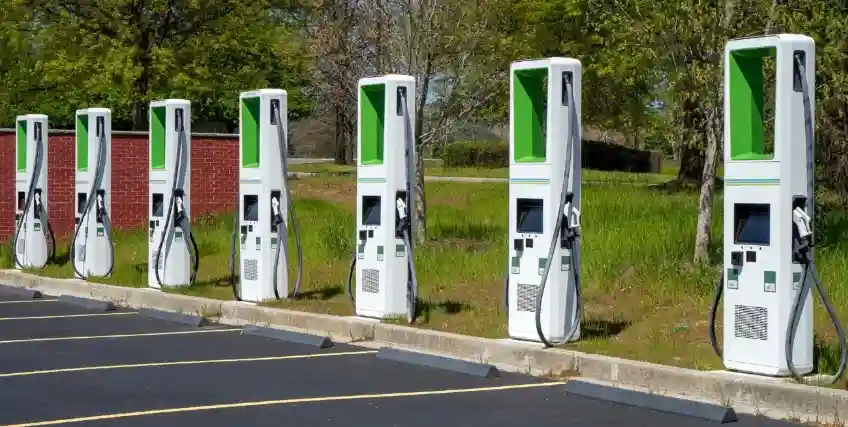
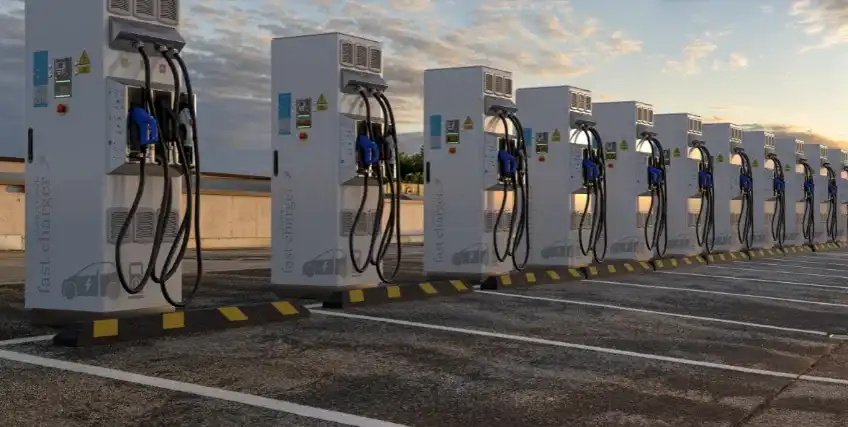
EV charging stations deployment often involves layered investments that extend beyond the charger itself. Hence, business EV funding allows different types of businesses to install EV charger networks without straining operational budgets.
Business funding supports:
Charging equipment and EV charger purchases: Businesses can purchase fast chargers, connectors, and monitoring software.
Electrical work and installation costs: Upgrades like transformers, trenching, and permitting drive require funds for EV charger installations.
Site preparation and compliance expenses: Business funding can help business owners coordinate with local governments and utility providers to bear the cost of compliance expenses.
Software integration and payment systems: Network platforms also require upfront investment to enable electric vehicle charging billing and performance tracking.
Hence, projects that are connected to high-traffic commercial areas of logistics corridors often receive stronger funding support. Also, programs such as the National Electric Vehicle Infrastructure Initiative (NEVI) are funding programs that are designed to expand public charging infrastructure nationwide.
Also, the Bipartisan Infrastructure Law in the U.S. allocates major federal funding for EV charging expansion.
Understanding Business EV Funding for Fleet Operators
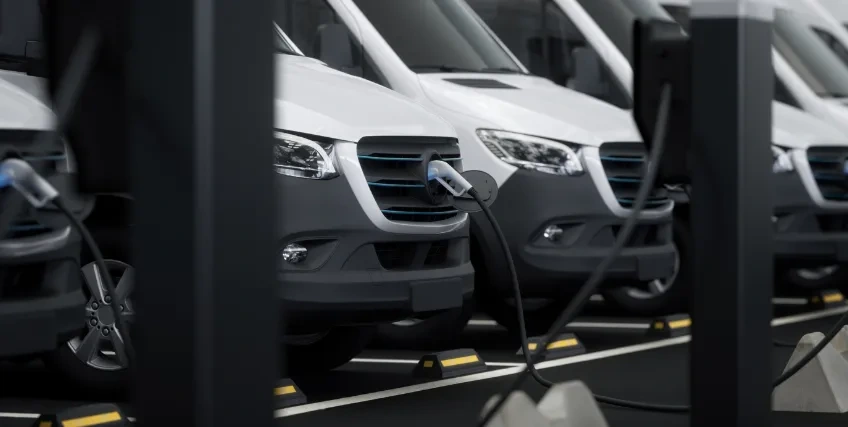
Fleet operators also require business funding to invest in electrification projects. With business loans, they can replace internal combustion vehicles gradually while maintaining operational stability.
Business funding can be used for:
Vehicle acquisition costs: The purchase price support for plug-in vans, delivery trucks, or zero emission vehicles require funds.
Depot charging infrastructure: Private EV charging station installations help improve fleet uptime and scheduling efficiency.
Battery lifecycle management: Business financing helps fleet businesses spread replacement and maintenance expenses.
Operational efficiency tools: With business financing options, telematics and routing systems can improve energy efficiency and reduce downtime.
Hence, fleet businesses may qualify for vehicle tax credit programs, clean vehicle credit incentives, and IRS depreciation benefits. As a result, companies replacing diesel transit buses or school bus fleets frequently receive funding through federal programs or state grant program initiatives.
Understanding Business EV Funding for Infrastructure
Infrastructure projects usually support long-term electrification stages rather than individual assets. With business funding options, these companies can upgrade facilities to support growing EV operations.
Business funding may support:
Warehouse and facility electrical upgrades: Panel expansions and transformer installations enable future EV charger growth.
Charging corridor development: Regional hubs support logistics routes and public refueling networks.
Renewable integration projects: Solar-powered charging stations improve sustainability metrics and reduce long-term energy costs.
Grid modernization and alternative fuel infrastructure expansion: Utilities and private developers collaborate to strengthen national charging capacity.
Therefore, programs administered through the U.S. Department of Transportation and energy-focused federal initiatives often support these projects. Also, many of these opportunities appear on federal.gov portals dedicated to clean transportation funding programs.
Types of Funding Options Used by EV Businesses
EV businesses can combine different types of EV funding options to optimize project costs and repayment timelines. However, these financing options may only be offered to qualified applicants only. These include:
- SBA Loans
- Supporting infrastructure upgrades for EV charging infrastructure projects.
- Financing large-scale electrification timelines.
- Expanding service regions with new charging hubs.
- Term Loans
- Financing grid upgrades and facility improvements.
- Building charging depots or fast charging hubs.
- Purchasing fleets of alternative fuel vehicle models.
- Equipment Financing
- Funding EV charger installations at commercial sites.
- Financing depot charging systems for fleets.
- Purchasing electric vehicle chargers and charging equipment.
- Equipment Leasing
- Testing fast chargers before committing to ownership.
- Leasing delivery vans or heavy-duty electric vehicles.
- Expanding infrastructure without large upfront scaling.
- Green Energy Financing Programs
- Deploying solar-integrated EV charging station hubs.
- Supporting zero emission vehicle adoption strategies.
- Improving long-term energy efficiency performance.
- Floor Plan Financing
- Financing charging hardware inventory.
- Supporting dealership stock of plug-in vehicles.
- Managing electric vehicle inventory for resale of leasing.
- Government Grants and Incentives
- Offsetting installation costs for EV charger networks.
- Accessing charger rebates and tax credit programs.
- Funding zero emission fleet transitions.
SBA loans are backed by the U.S. Small Business Administration and provide structured business financing with longer repayment periods and lower interest rates for qualifying applicants.
EV businesses can use SBA loans for:
Term loans are traditional funding options that offer a lump sum loan amount upfront. These business loans can be repaid over a set period of time with manageable monthly payments.
EV businesses can use term loans for:
Equipment financing allows companies to purchase business-related assets, where the equipment itself serves as collateral.
EV businesses can use equipment loans for:
Equipment leasing helps businesses spread costs of the equipment over time and supports technology upgrades instead of buying the equipment outright.
EV businesses can use equipment leasing for:
Green financing programs are business EV funding solutions offered by sustainability-focused lenders who offer favorable terms for clean transportation projects.
EV businesses can use green energy financing programs for:
Floor plan financing is a business funding option that helps EV businesses manage vehicle or equipment inventory.
EV businesses can use floor plan financing for:
There are different types of federal and state funding programs available that significantly help reduce project costs.
EV businesses can use grants and incentives for:
Hence, many EV grants for business originate from federal agencies and public-private initiatives focused on clean mobility.
The Bottom Line
Electric mobility expansion across the United States continues to accelerate as companies pursue sustainability goals and operational efficiency. However, charging networks, fleets, and infrastructure projects all require significant capital investment, yet funding opportunities continue expanding alongside the market.
Business EV funding provides the financial foundation needed to deploy charging infrastructure, scale electric vehicle fleets, and modernize facilities. Moreover, with strategic use of grants, loans, incentives, and commercial EV funding programs, businesses can grow while maintaining stable cash flow.
Hence, businesses ready to scale should begin evaluating business EV funding options now, align their electrification strategy with available programs, and position themselves to lead in the zero-emission economy.
Loans for EV Charging Stations Articles
Business EV Funding for Charging Stations, Fleets, and Infrastructure
EV Charging Station Loans vs. Grants: What’s Best for Your Business?
What to Know About Commercial EV Funding
FAQs About Business EV Funding Options
1. What is business EV funding and who can apply for it?
Business EV funding refers to different types of business loans, grants, incentives, or leasing programs that help companies invest in electric vehicles, EV charging stations, and supporting infrastructure.
2. Are there federal programs that support EV charging infrastructure?
There are various federal initiatives that support EV charging expansion. These programs are usually backed by the U.S. Department of Energy and the National Electric Vehicle Infrastructure (NEVI) program. These initiatives provide grants, rebates, and technical assistance to businesses installing public or commercial charging networks.
3. Can businesses get tax credits for EV chargers and vehicles?
Many businesses may qualify for federal tax incentives tied to clean transportation. Programs administered through the IRS include clean vehicle credits, depreciation benefits, and charging equipment deductions that reduce the overall project cost. Consult a tax professional to know more.
4. Are grants available specifically for small EV businesses?
There are many state and federal grant programs available that focus small businesses transitioning to electric mobility. Hence, these grants may support charging installations, fleet electrification, or infrastructure upgrades.
5. Is leasing better than buying EV equipment for businesses?
Equipment leasing options work well for businesses that want lower upfront costs and flexibility to upgrade technology later. While, buying equipment may offer stronger tax benefits and long-term savings. Hence, choosing the best option among the two depends on cash flow, growth plans, and available incentives.
