Understanding Equipment Loan Rates: What U.S. Small Businesses Should Know
June 24, 2026 | Last Updated on: June 24, 2026

Looking for Business Financing?
Apply now for flexible business financing. Biz2Credit offers term loans, revenue-based financing, lines of credit, and commercial real estate loans to qualified businesses.
Set up a Biz2Credit account and apply for business financing.
For many small businesses owners, buying equipment to run and manage their business is not optional. Vehicles, machinery, farm equipment, computers, medical devices, restaurant appliances, and construction tools are essential to daily operations and long-term growth. But because paying cash for these purchases is not always realistic, financing becomes a practical solution.
To make smart borrowing decisions, business owners need a clear understanding of equipment loan rates, what influences them, and how they fit into the broader financing landscape, especially as they plan capital investments.
Here's a look at how equipment financing works, what influences equipment loan rates, and how small businesses can evaluate their options confidently. After understanding loan trends and cost factors, business owners can align their financing choices with other important considerations, like cash flow, dreams for business growth, and the overall financial health of their small business.
What Is Equipment Financing?
Equipment financing is a form of business lending used to purchase specific business equipment. The equipment itself usually serves as collateral to secure that debt, which lowers risk for lenders and can make this type of financing more accessible than other loan types.
Repayment terms for equipment loans often range, depending on the equipment's useful life and the lender's policies. And because the loan amount is tied to a physical asset, equipment loan rates tend to be more predictable than unsecured financing. That upfront predictability makes this business financing option appealing for those that want manageable monthly payments, competitive rates, and a clear payoff timeline.
Why Equipment Loan Rates Matter
Equipment loan rates determine how much a business will pay over the life of the loan term. Even a small difference in the annual percentage rate (APR) can significantly affect total borrowing costs, especially for high-ticket purchases. Understanding current equipment loan rates, and what influences them, makes it easier for business owners to compare offers accurately and avoid surprises that strain cash flow.
More importantly, equipment loan rates influence a business' return on investment. If financing costs are too high, new equipment may take longer to pay for itself. When rates are competitive, the equipment can start contributing to profitability sooner.
Factors That Influence Equipment Loan Rates
Before approving an equipment loan, lenders will look at a combination of business, personal, and loan-specific details. This information is not only used for credit approval but also for setting equipment loan rates and down payment requirements if your loan is approved.
Understanding these factors ahead of time improves your chances of qualifying for better terms. It also makes it easier to anticipate your total loan costs and budget for those expenses over time.
The most common factors that lenders consider include:
Your credit profile. Both your personal and business credit scores Having a strong credit history typically means qualifying for lower equipment loan rates, while newer or weaker profiles may mean you pay more in the end.
Your financial profile. As part of the loan application process, lenders will look at your business and the resources available to you. While new businesses can still qualify for equipment loans, rates may be different if you have higher or more consistent annual revenue, or can show that your business has strong savings.
Loan size. Bigger equipment loans mean not only larger loan payments but also different equipment loan rates. Expect the options to vary based on whether you're buying computer equipment with a $50,000 purchase price or $2 million in construction equipment.
Loan term length. The amount of time you choose to repay your equipment will affect your loan options. Shorter term loans usually come with lower equipment loan rates. Longer terms can mean smaller monthly payments, but they often come with higher rates that increase your overall cost of borrowing.
Type of equipment. Equipment that holds its value well, such as commercial vehicles or heavy machinery, is generally easier to finance (at lower equipment loan rates). If your business needs highly specialized equipment or items that depreciate quickly, prepare for potentially higher equipment loan rates. Your rates can also vary based on whether you are buying new or used equipment.
Down payment. A down payment is required for many equipment financing programs and reduce lender risk. Larger down payments may help you lock in more competitive equipment loan rates, while zero-down options may mean higher rates and costs over time.
Lender type. Traditional banks and credit unions may offer competitive equipment loan rates but have different requirements. Online and alternative lenders tend to approve faster, though rates may be higher.
Knowing how these factors affect pricing helps small businesses focus on what they can control before applying.
Understanding Equipment Loan Rates
Equipment loan rates can be structured in a few different ways. Understanding these structures is key to comparing offers in a true apples-to-apples way.
The first is whether your equipment loan rate is fixed or variable.
- Fixed rates stay the same for the entire loan term. This means consistent monthly payments over the life of the loan.
- Variable rates can change over time based on market conditions. This may lower costs initially but allows for the uncertainty of rates (and monthly payments) that can increase in the future.
Some lenders quote factor rates instead of interest rates. While this is more common in short-term financing, it is important to convert factor rates into an annualized cost to accurately compare low interest equipment loans to rates offered by other lenders.
Once you know the equipment financing options available to you, you can use a loan calculator to see how different loan terms, interest rates, and down payments affect your monthly and overall costs. This allows you to play with the different options and anticipate your total loan expenses before ever signing on the dotted line.
And when reviewing your financing options and loan offers, be sure to look beyond the basic equipment loan rates. Fees, prepayment penalties, and repayment schedules all affect your total cost, and in some cases, a slightly higher rate with fewer fees may be more affordable in the long run.
Equipment Loan Rates Compared to Other Financing Options
Equipment loans aren't the only financing option available to you when you need to purchase expensive business equipment. Comparing equipment loan rates to other borrowing options helps businesses choose the right tool for the job.
Business lines of credit are similar to credit cards, offering you access to revolving funds that can be used if and when you need them . As you pay off your borrowed amount, the credit limit opens back up so you can borrow again. Lines of credit are offered through many traditional and online banking institutions.
- General business loans are another option to consider. These term loans offer flexibility — since you can use the cash to buy equipment, cover your business cash flow needs, and more — but they are often unsecured. This means they may come with higher rates. with higher rates. with higher rates.
Business credit cards are convenient to have and can be used to buy things like office equipment, furniture, and even some machinery. However, they typically carry much higher costs, especially if you plan to pay off the balance over a longer period of time.
Loans backed by the S. Small Business Administration (SBA) can be used to buy equipment or other business needs. The underwriting process for these loans is often longer than many secured equipment loans, and they notoriously require a lot of documentation as part of the eligibility process. However, SBA loans can provide you with up to $5 million in business funding.
Leasing equipment, instead of buying it outright and upfront, is another alternative to consider. Business equipment leasing is a good option for those who want to try out pricey equipment before committing to the investment or those who plan to upgrade frequently. At the end of the lease term, you may also have the option to buy out the lease and own the equipment, as with a loan.
So, what's right for you? It really depends on your situation and what you plan to buy. Because equipment financing is secured by the asset, business equipment loan rates are often lower than unsecured alternatives. This makes them especially attractive for planned purchases with a clear business purpose.
How Small Businesses Can Prepare for Their Best Rates
One of the best ways to snag favorable equipment loan rates is to prepare ahead of time. Taking small steps today can make a big difference when it comes time to buy equipment and apply for financing in the months (or years) to come.
This might mean improving your credit score, organizing financial statements, and deciding exactly how the equipment will be used. All of these can help strengthen your application and lock in low equipment loan rates. Demonstrating a steady revenue and following a clear business plan reassures lenders, which can lead to better equipment loan rates, too.
Lastly, it really helps to know the equipment's expected lifespan and how it'll impact your productivity. Lenders are more comfortable offering competitive rates when the equipment clearly supports your business revenue and growth goals.
Final Thoughts
Equipment financing isn't just about acquiring new assets. It's about choosing terms that align with your business current needs and long-term goals. When equipment loan rates fit your cash flow and growth plans, financing becomes a strategic tool instead of a strain on your bottom line.
Whether you're replacing outdated machinery or expanding capacity, informed borrowing leads to better outcomes. By understanding equipment loan rates and the factors that influence them, small businesses can finance equipment purchases in a way that supports sustainable growth in the year ahead, while confidently managing your costs and protecting your cash flow.
Equipment Financing Articles
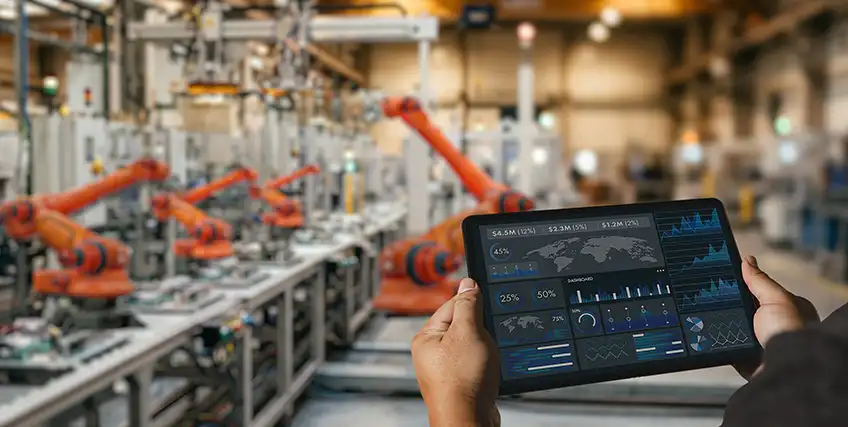
Equipment Finance Services: How Businesses Can Fund Essential Equipment Faster?

How Business Owners May Use Financing for Equipment Upgrades
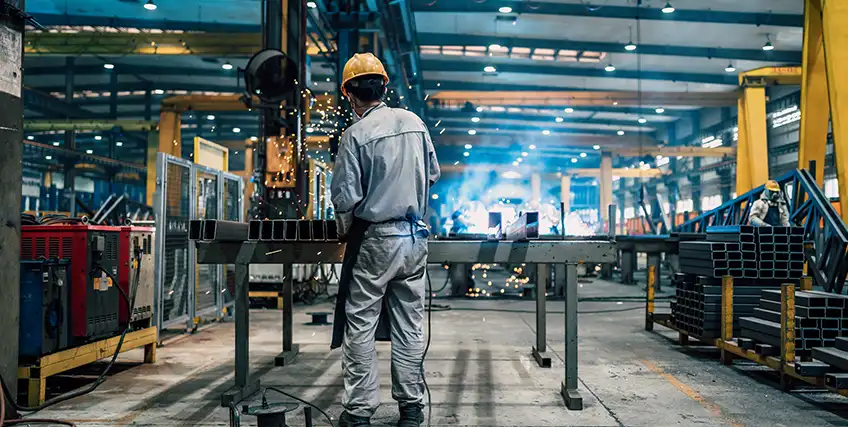
How Manufacturing Equipment Finance Can Help Businesses Invest in Automation
FAQs on Equipment Loan Rates
1. Do equipment loan rates change over time?
Overall equipment loan rates can fluctuate based on economic conditions, interest rate environments, and even competition between lenders. Once you lock in a fixed equipment loan rate, it won't change unless you decide to refinance that equipment with a new loan.
2. Is it better to finance or lease equipment when rates are high?
Financing versus leasing really depends on your business goals. Financing means you own the equipment and build equity, while leasing can reduce upfront costs and enable you to "try before you buy."
3. Are equipment loan rates lower than other business loan rates?
Because the equipment serves as collateral, equipment loan rates are often lower than rates on unsecured business loans or credit cards. This makes equipment financing a cost-effective option for big, planned purchases.
4. What determines equipment loan rates for small businesses?
Equipment loan rates are impacted by factors like credit scores, loan term length, the type and value of the equipment, down payment size, and even the lender you choose. Understanding these factors helps businesses calculate potential costs and prepare a better application.
5. Can startups qualify for equipment financing at reasonable rates?
Startups and other new businesses may be able to qualify for equipment financing, especially if the owner has a strong personal credit history. While equipment loan rates may be higher for newer businesses, financing is often still more accessible than other (unsecured) loan types.