Loans for Publishing Businesses:
Complete Guide for Publishers & Printing Firms
Looking for Business Financing?
Apply now for flexible business financing. Biz2Credit offers term loans, revenue-based financing, lines of credit, and commercial real estate loans to qualified businesses.
Set up a Biz2Credit account and apply for business financing.
Loans for publishing businesses help self-financed authors and small publishers get the money they need, to keep their work going on. Loans for publishing businesses may support printing, editing, marketing, and daily costs, so the business can grow strong and be steady. With the right plan, a loan for publishing businesses makes it smoother for authors and book companies to stay active, pay bills, and finish new stories for readers.
This page explains what loans for publishing businesses are, funding challenges, who needs loans, common loan types, how to apply, approval tips and mistakes to avoid. It lists down simple steps and clear ideas, so even new or small publishers can understand how to get funding and use it the right way. So, to know more about loans for publishing businesses, read on.
What are Loans for Publishing Businesses?
In the U.S., loans for publishing businesses are financing products that help publishers manage cash flow issues, pay for production cycles, invest in technology, and grow daily operations. These loans support traditional print publishers, digital media companies, independent presses, self-publishing service providers, educational publishers, and niche content providers.
Funding Challenges Unique to the Publishing Industry
The U.S. publishing industry is in need of funding, in a distinctly different way than other sectors, mainly owing to the changes in reader behavior. As per reports by Statista, in 2024 U.S. adults spent more time reading on weekends than weekdays. The average time spent reading amounted to 18 minutes on weekends and holidays while daily reading time spent on weekdays in 2024 remained below pre-pandemic levels.
Further, the rise of self-publishing and digitally consumed content has affected the traditional revenues that come from the print industry. This has led to reliance on new, often less reliable modes of money, such as subscriptions and crowdfunding. To top it off, technology, marketing, and a briskly changing but still fragmented content market require a lot of capital. High personnel costs in expensive cities, particularly for entry-level employees, put the industry under additional financial pressure.
Here is a list of common challenges
- Shifting reader habits
- High operational costs
- Slowing traditional revenue from print
- Rising need for investment in technology and digital tools
- Growth of new business models that require upfront capital
- Erratic market demands across genres and formats
- Long revenue cycles from book sales and distributor payments
- Inventory and warehousing pressure from large print runs
- Heavy marketing, publicity and distribution costs
- Author advances paid before revenue arrives
- Rights acquisition and licensing costs
Who Needs Loans for Publishing Businesses?
Loans for a publishing business are mainly sought after by self-published authors and small, independent publishing companies to cover operational and growth-related costs. Traditionally, published authors do not need loans, as the publisher covers all production costs and pays the author an advance against royalties.
Common Loan Types for Publishing Businesses
Publishing businesses typically use a mix of general business financing options rather than publishing-specific loan products. These funds are then used to clear out costs for editing, designing, printing, and marketing, before recovering costs through book sales. Typical funding sources include traditional banks/credit unions, online lenders, Small Business Administration (SBA) loans, gov grants. The most common loans include:
Small Business Administration (SBA) Loans
These are popular because the SBA guarantees a portion of the loan, lowering lenders' risk. This gives way to more favorable terms, like lower interest rates and longer repayment periods for qualified applicants. The most common are:
- 7(a) Loans: The primary SBA program, offering flexible funds for various purposes like working capital, purchasing inventory, or even refinancing existing debt.
- Microloans: Smaller, short-term loans up to $50,000, often used for specific needs like buying equipment, supplies, or materials.
- 504 Loans: Provide long-term, fixed-rate financing for major fixed assets such as purchasing real estate or equipment for expansion.
Term Loans
These are standard business loans with a lump sum of money provided upfront, to be repaid over a set period of time, with interest.
Working Capital Loans
These are short-term loans that cover daily operational expenses, like rent, supplies, marketing, and salaries. It helps businesses bridge gaps between client payments and daily/weekly/monthly/yearly expenses.
Business Lines of Credit
This offers flexible access to capital up to a certain limit, which can be drawn out as needed. This feature makes this loan solution useful for managing cash flow gaps, that are typical in the publishing industry.
Equipment Financing
Under this, businesses can buy equipment, such as machinery, vehicles, or technology, by using a loan or lease instead of making a hefty upfront payment. This helps businesses maintain cash flow, upgrade tools, and remain competitive while spreading the cost over time, with manageable repayments. Commonly, the new equipment serves as collateral for this financing method.
Intellectual Property (IP) Financing
This is offered by several entities, including specialized IP-focused investment firms, banks, private equity firms, and other non-banking financial institutions. Traditional banks may be hesitant, so companies often opt for specialized lenders or financial institutions, that are more willing to underwrite IP as collateral.
Purchase Order (PO) Financing
Numerous lenders offer this type of short-term funding, to help businesses meet large orders. It is a way for a company to get money from a third party, to cover the cost of producing or stocking goods for a customer's purchase order. This is then repaid, once the customer pays for the order.
Invoice Financing
This is a short-term funding method, where businesses use their unpaid customer invoices as collateral to get an immediate cash advance from a financier. It helps companies close cash flow gaps by offering working capital while they wait for customers to pay. After the customer pays the invoice, the business receives the remaining balance minus fees.
Inventory Financing
It is a short-term loan or line of credit for businesses, that uses a company's inventory as collateral. It allows businesses to buy more stock or raw materials, to fulfil demand or capitalize on opportunities without waiting for sales revenue. This is especially useful for retailers, wholesalers, and seasonal businesses. The loan amount is based on the inventory's value, typically a percentage of its wholesale value, and repayment is often scheduled in tandem with the sale of the goods.
Crowdfunding
Many crowdfunding platforms allow publishers to raise funds directly from the public, in exchange for rewards, such as early copies of the book or exclusive subscriptions.
Loans for Publishing Businesses: Uses
Loans for publishing businesses can be used for a range of operational and growth expenses. They give authors and publishing companies the much-needed freedom to pay for costs without personal cash crunches. In essence, loans for publishing businesses help cover gaps and support every stage of the publication process, from creating a book to getting it into readers' hands. The list below mentions the common ways to use loans for publishing businesses:
- Cover production costs, including editing, design, typesetting, and printing.
- Manage distribution, warehousing, shipping, and inventory needs.
- Pay for marketing and offline and/or online promotions, including websites, ads, and author events.
- Handle daily operational costs and working capital needs.
- Buy equipment, software, computers, or printing tools.
- Fund expansion into new markets, genres, or acquisitions.
- Get publishing, translation, or e-book audio rights for new titles.
- Build or upgrade digital platforms and e-book or audiobook tools.
- Pay for book fairs, trade shows, and event participation.
- Develop subscription or membership-based reader programs.
- Clear vendor bills or printer payments during slow cash seasons.
- Commission authors, writers, or subject matter experts for new content.
Eligibility Requirements: Loans for Publishing Businesses
There are generally no specific federal loan programs targeting the "publishing" industry itself. Eligibility is based on the financial health and practices of the business, not its specific type of commercial activity. So, here's a list of typical eligibility requirements, when applying for loans for publishing businesses:
- The number of years in business impacts eligibility. Some lenders may prefer at least 2 to 3 years in the market while online lenders may accept 6 to 12 months.
- Lenders check if the business is generating enough income to repay the loan. They analyze bank statements, income statements, and debt-to-income ratio to determine the business's capacity to take on new debt.
- Clear and acceptable plans to use the funds with quotes, invoices, or project plans for lenders that require itemization.
- Credit score thresholds differ, with options available even for applicants with low credit scores.
- A strong, detailed business plan may increase approval chances.
- Tax compliance history, including timely filings and absence of hefty unpaid taxes.
- Repayment ability is understood through cash flow, sales trends, and overall financial records and current health.
- For secured loans, lenders may require assets (like equipment, real estate, or even accounts receivable) as collateral. The asset can be seized if the business defaults on the loan.
- Traditional bank loans require strong credit and detailed financial records.
- SBA loans may offer flexibility as the government guarantees part of the funding.
- Online lenders may use quicker processes and flexible criteria, often based on sales volume.
Step-by-Step Guide: How to Apply for Loans for Publishing Businesses
Applying for loans for publishing businesses, needs clear planning, organized documents, and an in-depth understanding of the lender's expectations. Since publishers deal with long production cycles and high upfront expenses, laying forward a strong financial case and a defined use of funds, becomes important. The steps below outline the full process from preparation to approval, helping publishing companies move through the application smoothly:
Prepare the application
- Create a simple yet solid business plan, laced with market research, sales projections, and management background.
- Collect financial statements, tax returns, and other required records.
- Add details of existing debts, vendor contracts, distribution agreements, or inventory (important for publishers).
- Prepare IP documentation if rights or catalogues are being used as collateral.
Choose a lender and loan type
- Traditional banks and credit unions offer competitive rates for strong credit profiles.
- SBA 7(a) loans put out longer terms and are popular for buying or expanding stores.
- Online lenders hand out quicker decisions but may charge higher interest rates.
- Consider alternatives relevant to publishers, such as, IP backed loans, or business lines of credit.
Submit the application
- Applications can be submitted online or offline, depending on the lender.
- All required documents must be accurate and included, for a complete submission process.
- Lenders may ask follow-up questions to verify business and financial details.
Loans for Publishing Businesses: Tips to Improve Loan Approval Chances
To improve publishing business's loan approval chances, there are several steps business owners can take. This includes focusing on improving creditworthiness, preparing a detailed business plan, showing consistent cash flow, and having all financial documentation in order. Here is a list of common tips to improve approval chances of loans for publishing businesses:
Financial Basics
- Credit scores stay strong when bills and debts are paid on time.
- A business shows healthy money flow when it earns enough to cover daily costs.
- A low amount of debt makes it easier to take on new payments.
- Business money and personal money work best when kept in separate accounts.
Documents and Planning
- A simple business plan helps explain what the business does and how it will grow.
- Important papers, such as tax returns, bank statements, and licences should be kept neat and ready.
- A clear plan for paying back the loan helps show responsibility.
Talking to Lenders
- Different lenders such as banks, credit unions, or online lenders suit different business needs.
- Honest, accurate information helps lenders trust the application.
- A good relationship with a lender can make future help simpler.
Loans for Publishing Businesses: Mistakes to Avoid
When applying for loans for publishing businesses, many borrowers make small mistakes that can stop them from getting the money they need. Publishing businesses must be extra careful because their funds come in slowly and costs are high in the initial stages. The list below shows the most common mistakes to avoid when applying for loans for publishing businesses, to have a better chance of getting approved.
Business plan is too simple or not real
Do not use a plan that looks unrealistic or too hopeful. Show real numbers and real plans.
Not showing how the business handles slow money months
Book sales go up and down. Lenders want to see how you will pay bills when sales are low.
Messy or missing documents
Keep all papers like tax returns, bank statements, and financial records clean and complete.
Ignoring your credit score
Both personal and business credit scores matter. Check them before you apply.
Borrowing more money than can be paid back
Take only the amount that can be repaid with regular cash flow.
Not reading the loan rules
Always read the loan terms, interest rates, and fees before signing.
No collateral to offer
Some lenders want assets, like equipment or personal guarantees. Be ready to offer something if and when needed.
The Financial Ecosystem of Publishing Businesses
Loans for publishing businesses support small business owners, entrepreneurs, and nonprofit publishers to handle short and long term goals costs while keeping production moving. With so many funding choices, business loans for publishers may help cover editing, printing, marketing, inventory, and everyday expenses. They also help publishers handle slow cash flow periods and invest in better tools, technology, and talent.
Overall, loans for publishing businesses give companies many options to meet different business needs, from simple working capital support to long term investment plans. These loans for publishing businesses may include business credit cards, or programs backed by the U.S. Small Business Administration, depending on credit history, and personal credit score. The right loan for publishing businesses also offers clear Annual Percentage Rate (APR) details, predictable monthly payments, and repayment terms that fit the type of business. By choosing loans for publishing businesses wisely, publishers can stay stable, grow their brand, and protect their financial future.
Trusted by Thousands of Small Business Owners in America.**
Simply because we get what you go through to build a business you believe in.
**Disclaimer: All stories are real, as told by real business owners. Customers do not receive monetary compensation for telling their stories.
From One Entrepreneur to Another: We Get You
We understand what's behind building a business you believe in.
All stories are real, as told by real business owners. Customers do not receive monetary compensation for telling their stories.


Publishing Businesses Articles
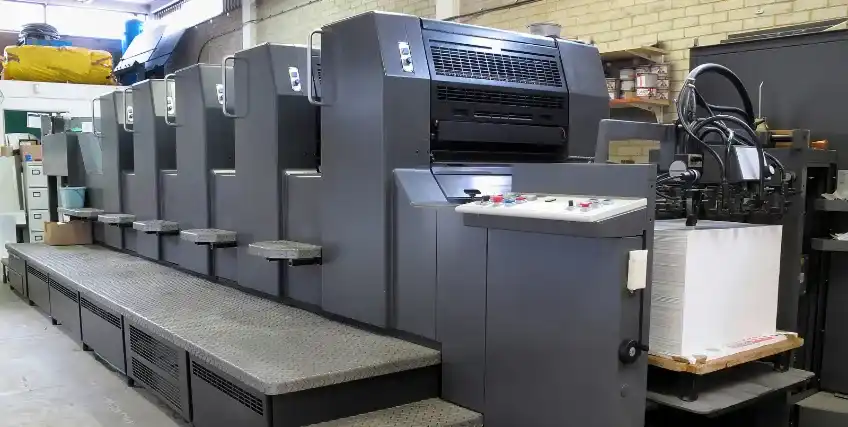
Loans for Publishing: Funding Expansion for Independent and Small Publishing Houses
For book publishing businesses, growth often signals success. This can be in the form of more book...

Loans for Publishing: Common Funding Challenges Publishers Face and How to Solve Them
The publishing industry has always balanced creativity with financial discipline. Book publishing includes...
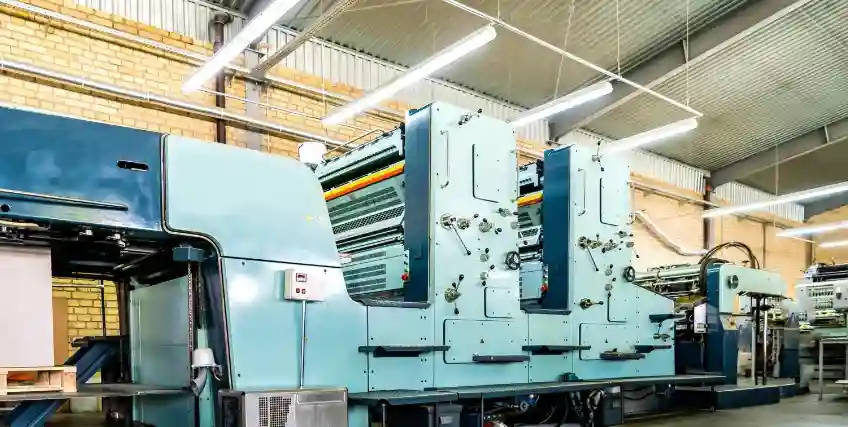
How Loans for Publishing Help Cover Printing, Editing, and Production Costs
Publishing a book is as much a financial process as it is a creative one. For publishing business owners...
FAQs About Loans for Publishing Businesses
1. How publishing businesses can improve cash flow?
Publishing businesses can improve cash flow by applying new and time-tested strategies in the aspects of revenue generation, expense management, and financial operations. Key tactics include branching out revenue streams, perfecting inventory and paying for production costs.
2. Can a publishing business get an SBA loan?
Most small and mid sized publishing companies may qualify for SBA 7(a) loans, 504 loans, or working capital loans for publishing companies. These companies need to meet credit and documentation standards. The loans for publishing businesses received, then help cover operating costs, production expenses, and growth plans.
3. Can publishers use book rights or equipment as collateral for financing?
Some lenders may allow publishers to use intellectual property, book rights, or even printing machinery when applying for printing equipment financing or IP backed loans. Approval depends on clear documentation and steady history of business sales.
4. How long does it take for a publishing business to get a loan approved?
When applying for loans for publishing businesses, approval timelines vary, depending on the lender and funding type. SBA 7(a) or 504 loans can take longer due to extra paperwork and underwriting checks, while online lenders may approve funding in a few days. Submitting complete documents and responding quickly to lender requests helps speed up the process.
5. What types of loans work best for covering printing and production costs?
Term loans, business lines of credit, and printing equipment financing are commonly used to handle production costs. These options help borrowers pay for editing, design, printing, warehousing, and bulk orders, without disturbing cash flow or delaying release schedules.
Frequent searches leading to this page
Term Loans are made by Itria Ventures LLC or Cross River Bank, Member FDIC. This is not a deposit product. California residents: Itria Ventures LLC is licensed by the Department of Financial Protection and Innovation. Loans are made or arranged pursuant to California Financing Law License # 60DBO-35839