Loans for Publishing: Common Funding Challenges Publishers Face and How to Solve Them
July 05, 2026 | Last Updated on: July 05, 2026

By Anjali Patel
Looking for Business Financing?
Apply now for flexible business financing. Biz2Credit offers term loans, revenue-based financing, lines of credit, and commercial real estate loans to qualified businesses.
Set up a Biz2Credit account and apply for business financing.
Key Takeaways
-
The publishing industry requires heavy upfront spending long before book sales begin
-
Cash flow gaps arise due to delayed distributor payments and rising operating expenses.
-
There are different types of publishing business loans that help publishers stabilize business operations
-
Small business owners can use different types of publishing business financing options such as SBA loans, term loans, working capital loans, and equipment loans.
-
Choosing the right printing and publishing financing options depends on business needs, revenue timing, and loan terms.
The publishing industry has always balanced creativity with financial discipline. Book publishing includes stories, ideas, and knowledge, however, money quietly determines how far those stories travel. For many small business owners in the United States, book publishing does look rewarding, but is financially demanding too.
Publishing expenses appear early. These include editing, formatting, printing, cover design, and marketing that requires upfront payment. However, revenue arrives later, often after months of waiting. As a result, this gap between spending and earning creates ongoing pressure for small publishers, self-published authors, and growing publishing services companies.
For entrepreneurs running a startup or a business owner running a small publishing house, this reality often leads to tough business decisions. This is why publishing business financing options have become essential tools rather than last-minute solutions.
This article explains the common funding challenges publishers face and elaborates how small business loans for publishers may help them solve in a structured and sustainable way.
What Is Publishing Business Financing
Publishing business financing refers to financial solutions designed to support book publishing operations. Publishers can use these small business loans to manage expenses tied to production, distribution, marketing, and growth. Unlike generic business loans, publishing loans accounts for delayed income cycles and project-based funding for small businesses.
In book publishing industry, money often flows out long before it flows back in. Expenses such as editing, printing, cover designs, and format conversions, all require upfront money. However, revenue from book sales arrive later through distributors, retailers, or online platforms.
Publishing business financing options support important activities such as expanding formats, launching an audiobook, upgrading publishing services, or managing operating expenses during slow months. Hence, for small publishers and self-published authors, access to small business loans keeps momentum steady rather than reactive.
Why Funding Is a Constant Challenge in Publishing
There are many funding challenges faced by the book publishing industry. These challenges often come from structural realities rather than poor management. There are too many upfront costs that appear immediately and the timing of costs and revenue rarely align.
Small business owners need to invest in manuscript editing, cover design, layout, and printing demand before a book ever reaches readers. And for self-publishing ventures and startups, this pressure feels even stronger due to limited cash reserve.
For small business owners in the publishing industry, cash flow challenges increase. This happens because distributors and retailers often pay publishers after 60 to 120 days. During this period, monthly payments such as rent, payroll, and software subscription continue without pause.
This is why publishers often look for publishing financing options for operational expenses and other business needs.
Understanding the Publishing Business Financial Model
The financing model of book publishing business moves in various stages. Each of these stages influence cash flow differently. So, it’s important to understand this process to clarify why small business loans for publishers play a crucial role.
The first step of book publishing process starts with content development. Then it it followed by editing, proofreading, and cover design. Hence, these costs remain fixed and are unavoidable for quality book publishing.
After this, printing and format production follow the process. Publishers may choose hardcover, paperback, digital, or audiobook formats. However, each format carries its own costs and timelines. Moreover, printing requires large upfront spending, while digital formats reduce inventory risk but still involve setup costs.
Now the last step is distribution which introduces delayed payments. These payments are controlled by retailers, wholesalers, and online platforms. And the revenue often arrives months after books ship. Because income and expenses rarely move together, publishing business financing becomes an important tool for small business owners.
Types of Options For Publishing Businesses
There are different types of financing options available to publishing small businesses. However, the right choice often depends on the type of business, scale, and stage of growth.
- SBA Loans
- Term Loans
- Working Capital Loans
- Business Lines of Credit
- Equipment Financing
SBA loans are backed by the Small Business Administration and support established publishing businesses with strong financial records. These small business loans offer longer repayment terms with lower interest rates for qualified applicants. Publishing businesses can use SBA loans for expansion projects or infrastructure upgrades. However, to qualify for these loans, business owners require a solid business plan, a healthy credit score, and necessary documentation. Hence, this business financing option promotes long-term growth for small businesses, offering stability.
Term loans are traditional business loans that offer a lump sum loan amount upfront. These loans come with predictable monthly payments, offering fixed or variable interest rates along with fixed repayment terms. Publishing businesses can use term loans to fund large print runs, expand into new formats, or invest in technology. These publishing business financing options may work best for businesses with consistent revenue.
Working capital are short-term loans with smaller loan amounts. These loans can be used to cover short-term business needs such as payroll, marketing, and vendor payments when cash flow tightens. Also, these loans help publishing businesses manage operating expenses during delayed payment cycles. Therefore, approval for working capital loans often moves faster than traditional business loans.
A business line of credit is a flexible financing option that offers easy access to funds up to a set credit limit. Business owners can draw funds when they need, repay, and borrow again. Also, the interest applies only on the amount used. Publishing businesses can use a line of credit to cover recurring costs such as marketing campaigns, reprints, or seasonal fluctuations. Also, this publishing business financing option help business owners manage multiple projects at once.
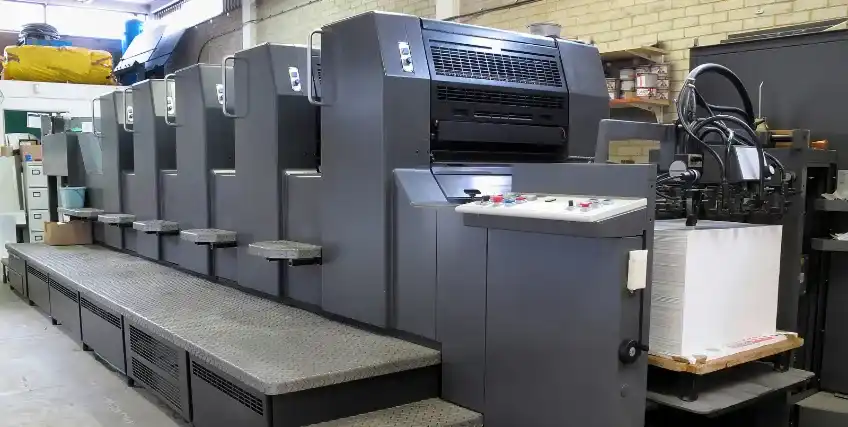
Equipment financing is a funding option that supports asset purchases including tools and machines. Here the equipment itself serves as collateral, which helps preserve cash. Publishing businesses can use equipment loans to invest in printing equipment, software, or production technology. Hence, business owners who rely on in-house publishing services may find this option ideal to improve efficiency.
Common Funding Challenges Publishers Face
Most publishers encounter similar financial hurdles regardless of size or niche. High upfront production costs remain the most common challenge. Also, editing, printing, and cover design require payment before revenue appears.
Delayed payments create persistent cash flow gaps. Even strong book sales can leave publishers waiting months for funds. Inventory storage adds recurring expenses. Warehousing and logistics tie up working capital, especially for print-heavy catalogs.
Marketing costs continue rising. Social media advertising, launch campaigns, and influencer partnerships require consistent spending. And growth introduces additional pressure. Expanding formats, hiring staff, and investing in technology all increase financial exposure.
Crowdfunding platforms like Kickstarter sometimes help, but they rarely provide predictable cash flow for long-term planning.
How Loans for Publishing Help Solve These Challenges
Publishing business financing options help transform timing challenges into structured financial plans. Rather than delaying projects, publishers gain control over execution. These business loans cover production costs, so books reach the market on schedule. Hence, this consistency strengthens relationships with distributors and readers.
Additionally, financing bridges delayed payments, allowing business owners to manage operating expenses without stress. Vendors and staff receive timely payments. Also, marketing benefits significantly from proper funding. Well-supported campaigns improve visibility across social media and retail platforms. Inventory decisions also improve. Financing reduces pressure to discount stock prematurely, protecting margins.
Moreover, small business owners can also explore cash advance options tied to future sales. While useful in short term situations, careful attention to repayments and interest rates remains important.
Final Words
Publishing remains a business driven by passion, persistence, and planning. Financial challenges stem from timing, not lack of demand. Publishing business financing exists to support the realities of upfront costs, delayed revenue, and growth ambitions. When structured correctly, financing strengthens operations rather than adding risk.
For business owners in the U.S. publishing industry, the right mix of funding options turns pressure into progress. From startup ventures to small publishers expanding formats, access to financing keeps stories moving forward.
If your publishing business is ready to grow without slowing production, now is the moment to explore publishing business loans, printing and publishing financing, and small business loans for publishers that align with your goals.
Publishing Businesses Articles
Loans for Publishing: Funding Expansion for Independent and Small Publishing Houses

Loans for Publishing: Common Funding Challenges Publishers Face and How to Solve Them

How Loans for Publishing Help Cover Printing, Editing, and Production Costs
FAQs About Publishing Business Financing
1. What are publishing business loans?
Publishing business loans are financing solutions designed for companies involved in book publishing. These loans help cover upfront costs such as editing, cover design, printing, marketing, and distribution. Since revenue from book sales often arrives later, these loans support cash flow and daily operations while publishers wait for payments from retailers or distributors.
2. Why do publishers need financing even when book sales are strong?
Strong book sales do not always mean immediate cash availability. Payments from distributors and retailers often arrive weeks or months later. During that time, publishers still manage operating expenses and monthly payments. Publishing business financing helps bridge this timing gap, so operations continue without disruption.
3. Are publishing business loans only for large publishers?
Publishing business financing options are available to a wide range of businesses. Small publishers, self-published authors, startups, and publishing services companies can all qualify. However, lenders usually evaluate the type of business, revenue patterns, credit score, and overall business plan rather than size alone.
4. How does self-publishing affect financing options?
Self-publishing often involves higher upfront spending because authors and publishers manage production independently. Publishing business financing options help self-published authors cover editing, printing, audiobook production, and marketing costs. Also, many lenders now recognize self-publishing as a viable business model within the publishing industry.
5. Can nonprofits and publishing startups qualify for business loans?
Nonprofits involved in publishing and early-stage startup publishers may qualify for certain publishing business financing options. SBA-backed programs, grants, and partnerships sometimes support these organizations. however, lenders typically look at revenue sources, sponsorships, and operational stability before approving funding.
Term Loans are made by Itria Ventures LLC or Cross River Bank, Member FDIC. This is not a deposit product. California residents: Itria Ventures LLC is licensed by the Department of Financial Protection and Innovation. Loans are made or arranged pursuant to California Financing Law License # 60DBO-35839