How Loans for Publishing Help Cover Printing, Editing, and Production Costs
July 05, 2026 | Last Updated on: July 05, 2026

By Anjali Patel
Looking for Business Financing?
Apply now for flexible business financing. Biz2Credit offers term loans, revenue-based financing, lines of credit, and commercial real estate loans to qualified businesses.
Set up a Biz2Credit account and apply for business financing.
Key Takeaways
- Publishing businesses involve heavy upfront expenses that arrive long before revenue is earned.
- Editing, printing, and production costs often strain cash flow for small business owners in the publishing segment.
- Loans for publishing companies help manage expenses while maintaining release schedules.
-
There are different types of small business loans for publishers available, such as SBA loans, term loans, business lines of credit, equipment loans, and others.
-
When applying for publishing business loans, smart use of business financing supports sustainable growth for publishers.
Publishing a book is as much a financial process as it is a creative one. For publishing business owners in the U.S., one of the biggest challenges is not developing content but managing the costs that arise before a book ever reaches its readers. Because editing fees, printing invoices, and production expenses often demand payment upfront, while sales revenue may take months to arrive.
Publishing business loans play an important role in bridging this gap between early expenses and delayed revenue. Therefore, by spreading costs across manageable monthly payments, these small business loans allow publishers to move forward with confidence instead of delaying projects.
This article explains how publishing business loans help cover printing, editing, and production costs for business owners. It also outlines how these loans support cash flow, and how publishers can choose the right printing and publishing financing options for their business needs.
Understanding the Major Costs in the Publishing Process
For publishing businesses, the publishing costs often arise in stages. And each stage of this business carries unavoidable financial commitments. As a result, these expenses overlap, which makes cash flow management essential for entrepreneurs and small business owners.
Here are the major costs involved in the publishing process:
- Editing Costs
- Printing Costs
- Production Costs
These costs cover developmental editing, copyediting, and proofreading. As a result, these services improve clarity, accuracy, and consistency, especially for complex subject matters. Hence, self-published authors and startup publishers often face these expenses early. Also, they need to pay editors before production begins.
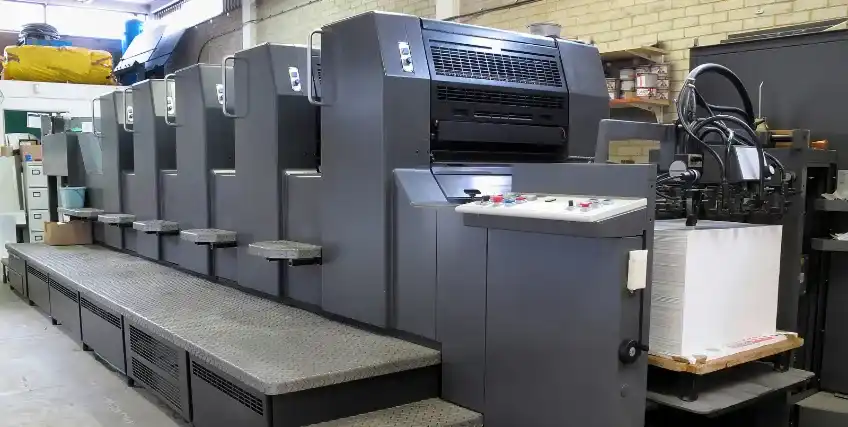
Printing costs often vary based on print volume, paper quality, binding, and format. Offset printing requires large upfront payments, while print-on-demand lowers inventory risk but increases per-unit costs. Therefore, publishing business loans help business owners handle these payments without draining working capital.
Production costs include cover design, interior formatting, typesetting, and audiobook production. Publishing services providers usually require advance payment before work starts. Thus, this makes production one of the most cash-intensive stages for publishing businesses.
In short, all these costs appear before books generate revenue. This creates financial pressure for new business ventures and even established publishers alike.
What Are Publishing Business Loans
Publishing business loans are small business loan options that can be used to fund publishing-related expenses. These include editing, printing, production, marketing, and operational costs. These loan products provide structured access to capital, allowing business owners to meet financial demands without relying on personal credit or credit cards.
Printing and publishing financing options come in various forms, depending on the type of business, credit history, and funding needs. Some loan programs also support startups and new business operations, while others serve established publishers with steady revenue. Hence, these publishing business loans help borrowers align repayment schedules with future sales, protecting cash flow, and business stability.
How Business Loans for Publishing Help Bridge the Funding Gap
Publishing businesses face a clear timing mismatch between expenses and business revenue. They often require funds even before their businesses start generating funds. With publishing business loans, small business owners can bridge this gap using funds exactly when costs arise.
Loans for publishing businesses help by:
Covering upfront expenses: Loan funds can be used for covering business expenses such as editing, design, and printing before any sales revenue is received. This allows projects to move forward without any delays.
Stabilizing cash flow: Business owners can use publishing business loans to pay vendors, freelancers, and partners on time. These funds help businesses operate without disruption while waiting for distribution payments.
Reducing reliance on short-term solutions: Publishing businesses can use different types of business loans instead of cash advances or high-interest credit cards. Because these alternative financing options can strain long-term finances.
Supporting predictable repayment: Some of the publishing business loans offer monthly payments that are structured around expected revenue cycles rather than immediate cash availability.
Types of Loans Used By Publishing Businesses
There are different types of loans available for publishing business owners. However, choosing the right loan type depends on business needs, revenue patterns, and long-term plans.
- SBA Loans
- Term Loans
- Business Lines of Credit
- Working Capital Loans
- Equipment Loans
SBA loans are backed by the U.S. Small Business Administration and are offered through approved lenders. These loans feature lower interest rates and longer repayment terms for qualified business owners. However, SBA loans follow a strict loan review process and require a solid business plan. Also, eligibility depends on credit score, credit history, and a strong business plan. Publishing businesses can use SBA loans for large investments such as expanding operations, launching multiple titles, or refinancing existing debt.
Term loans are traditional business loans that provide a lump sum loan amount upfront. These loans often come with fixed or variable interest rates and a fixed repayment schedule. Publishing businesses can use term loans for large print runs, full production cycles, or expanding publishing services. Since these loans often come with predictable monthly payments, this makes budgeting easier for small business owners.
A business line of credit is a business funding option that offers flexible access to funds up to a pre-approved limit. Business owners can draw funds when they need, repay, and borrow again. Also, the interest needs to be paid only on the amount used. Publishing businesses can use a line of credit for covering short-term business expenses such as recurring costs, small print batches, and production revisions that occur throughout the year.
Working capital loans are short-term business loan options that support day-to-day operations during production cycles. These business loans help publishers cover freelancer payments, administrative expenses, and inventory preparation without disrupting cash flow. Therefore, these loans are especially useful for new business publishers with uneven revenue patterns.
Equipment loans are small business loans that can be used to purchase physical assets such as tools and machinery. Here the equipment itself serves as collateral, which reduces risk for lenders. Publishing businesses can use business equipment financing for purchasing printing equipment or audiobook recording tools. Business owners can use these loans by spreading large purchases over time. As a result, this helps them preserve working capital while improving production capabilities.
Benefits of Using Loans for Publishing Projects
Publishing business loans offer several advantages beyond immediate funding to business owners. But these business loans should be used responsibly. Some of the known benefits of these loans include:
- These loans help manage consistent publishing schedules without delays.
- Publishing business loans support higher-quality editing, printing, and production decisions.
- Businesses can preserve working capital for operational flexibility.
- These loans reduce reliance on personal credit and credit cards.
- Business owners can improve financial planning through structured repayment.
- Also, these loans strengthen partnerships with vendors and service providers.
What Lenders Look For
When applying for publishing business loans, lenders evaluate businesses based on financial stability and risk. So, business owners can plan strategically to increase loan approval chances and loan terms.
Here’s what lenders look for:
Credit score, credit history, and personal credit for startups.
- A clear business plan outlining revenue and growth.
- The type of business and publishing model.
- Requested loan amounts and repayment capacity.
- Eligibility under specific loan programs.
Moreover, new business publishers may face additional scrutiny due to limited credit history. However, having strong documentation and realistic projections can help improve outcomes.
The Bottom Line
Publishing businesses require creativity supported by disciplined financial planning. Because editing, printing, and production costs arrive early and demand careful management. To overcome all these costs, business owners can choose from different business funding options available.
Publishing business loans provide reliable business financing that aligns expenses with revenue timelines. These loans protect working capital, support growth, and create financial predictability. For business owners in the U.S., choosing the right loan structure helps them publish with confidence instead of stalling operations.
So, if your publishing business is preparing for its next release, explore small business loans for publishers that align with your goals and growth plans. With smart financing, you can keep your projects moving forward and your business financially strong.
Publishing Businesses Articles
Loans for Publishing: Funding Expansion for Independent and Small Publishing Houses

Loans for Publishing: Common Funding Challenges Publishers Face and How to Solve Them

How Loans for Publishing Help Cover Printing, Editing, and Production Costs
FAQs About Publishing Business Loans
1. What are publishing business loans used for?
Publishing business loans can be used to cover essential publishing processes such as editing, printing, production, marketing, and also day-to-day operating costs. These small business loans help publishers manage upfront expenses, while waiting for sales revenue.
2. Can startups and new publishing businesses qualify for publishing loans?
Startups and new publishing businesses can qualify for certain types of business loans. However, options may be more limited. This is because lenders often review personal credit, credit history, and a clear business plan when evaluating startup loan applications.
3. Can self-published authors apply for publishing business loans?
Self-published authors may qualify for publishing business loans if they operate as a registered business and can demonstrate income or growth potential. Also, in many cases, lenders review personal credit and overall credit history when evaluating applications from self-published authors.
4. Is crowdfunding a replacement for publishing business loans?
Crowdfunding helps businesses raise funds, but they do not replace business loans entirely. Funds from crowdfunding help business owners test market interest while loans provide predictable funding for capital that supports long-term planning.
5. How do interest rates affect publishing business loans?
Interest rates determine the total cost of borrowing a loan over time. Lower interest rates reduce monthly payments and overall repayment amounts. While higher interest rates increase borrowing costs. Hence, business owners should compare financing options carefully and choose loan terms that align with their business revenue cycles.