Motorcoach Financing vs Leasing: Which Is Right for Your Fleet?
April 08, 2026 | Last Updated on: April 08, 2026

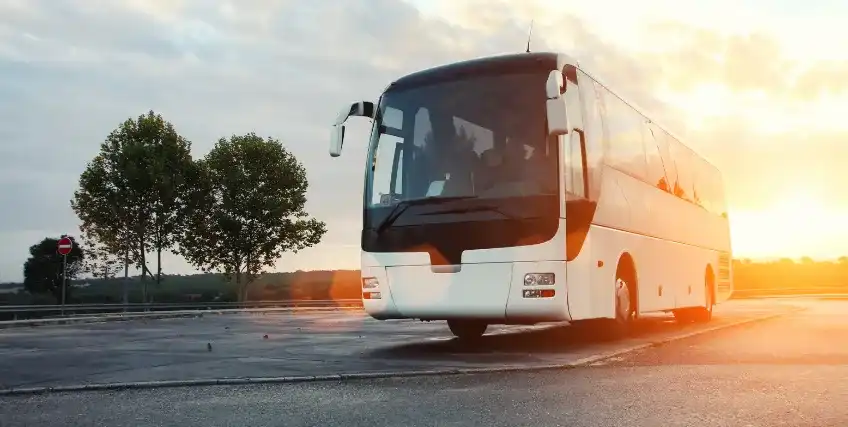
If you own a transit business or any other business that requires motorcoaches, vans, or even motor homes, you’ve probably debated whether motorcoach financing vs leasing is better. That’s a huge consideration as it can ultimately affect your business’s operations, cash flow, and long-term goals.
Understanding the difference between motorcoach financing vs leasing can help you make the right move for your company’s future. Each option has unique cost considerations, responsibilities, and benefits.
Our guide will help you gather enough information to help you make your decision about whether fleet financing or leasing is right for your business.
Motorcoach Financing vs Leasing
Entrepreneurs in the motorcoach industry constantly have big choices to make when running their businesses. One of those is choosing between motorcoach financing vs leasing their fleets, two very different paths that impact ownership and long-term costs.
How Motorcoach Leasing Works
Leasing is often better for new motorcoach business owners or those who haven’t been in business for long, especially when weighing the pros and cons of motorcoach financing vs leasing. It’s not unusual to lease the first time you get your fleet, grow your business, then finance new vehicles later on.
Under a leasing agreement, you pay a monthly fee for the lease term, which can range from one to five years. During the lease period, you can use the motorcoach, but at no time do you own it.
At the end of the lease term, you can return the vehicle, extend the lease, or exercise a buyout option if allowed. However, most of the time, the buyout price is higher than that of a comparable vehicle.
Leasing usually has lower monthly payments than financing. Some leases include a warranty or maintenance package, which is a bonus. But some don’t. If you lease, you also preserve capital that you would otherwise spend on a large down payment.
But leasing comes with downsides: mileage limits or usage caps, charges for wear and tear, and no equity built in. Plus, you don’t have ownership to trade in or sell your fleet when you need new vehicles. So, when it comes to motorcoach financing vs leasing, leasing is often more expensive over time if you're constantly renewing lease agreements instead of investing in ownership.
Advantages of Fleet Leasing
- Lower monthly payments
- Less capital tied up in upfront costs
- Warranty or maintenance coverage in some deals
- Ability to refresh the fleet more often
Drawbacks of Fleet Leasing
- You don’t build equity and lose money at the end of the term you’ve put toward the lease
- Possible penalties and charges for excess mileage or wear and tear
- Restrictions on customizing or modifying your motorcoach or fleet
- You must return the fleet or exercise a buyout at the end of the lease
How Motorcoach Financing Works
Financing a motorcoach involves taking out a loan to purchase it. You make a down payment and then pay monthly payments over a set period of time.
You’ll need a good credit score to get the best terms and a lower interest rate. A lender is also likely to examine your business and financial history, revenue, and collateral before approving your loan and determining the loan terms.
But with each payment you make, you reduce the principal. Once the loan balance is paid in full, you’ll have full ownership of the vehicle or fleet.
When comparing motorcoach financing vs leasing, you’ll build equity if you finance and buy. Then, you can sell or trade in the vehicle and apply its value toward a new one.
Financing your fleet means you're responsible for the ongoing maintenance of your fleet as well as its warranty, insurance, and operating costs — factors that are critical when comparing motorcoach financing vs leasing.
Advantages of Fleet Financing
- Ownership of the vehicle and the ability to build equity
- No mileage restrictions or wear-and-tear penalties
- Asset recorded on your books
- Can trade in or sell the fleet
Drawbacks of Fleet Financing
- Larger upfront costs or down payment on financed vehicles
- May have higher monthly payments than leasing
- Risk of high maintenance costs on older vehicles
- Depreciation cost falls entirely on you
What Can Motorcoach Financing Be Used For?
While most people think of RVs or private transit companies when the word “motorcoach” comes to mind, motorcoach financing can be used in several types of businesses with varying needs.
These businesses include, but are not limited to:
- Charter bus businesses
- Private transit companies
- Tour and sightseeing companies
- RV dealerships
- RV rental businesses
- Class A motorhome businesses
- Custom RV builders
- Commercial vans for transit
While many fleet operators use motorcoach financing to purchase new vehicles, some seek a business loan to cover other needs, including:
- Expanding a business: For example, you may want to purchase new property to expand your RV inventory or add more vehicles to facilitate more tours.
- Upgrading an older fleet: If you have a charter bus business with older models, you may decide it’s time to upgrade to newer vehicles.
- Boosting cash flow: The motorcoach business is often seasonal, which can diminish your cash flow. A short-term loan can give you a safety net to carry you through slower months and help you stay operational.
- Performing repairs and maintenance: If you have a fleet of transit vehicles, maintaining them can be expensive. But it’s also essential as you rely on them during peak periods. Fleet financing can help with repairs and maintenance expenses, so you never miss out on essential income.
- Inventory purchases: It’s essential for your dealership to stay stocked up. Let’s say you have an RV dealership. It can cost well into the millions to keep your lot full of RVs. Fleet financing can help you get your inventory upfront and pay for it over time.
- Meeting operational expenses: From staffing to marketing campaigns before the competitive season, a working capital loan can help you have everything you need in place to keep your business thriving.
FAQs About Motorcoach Financing vs Leasing
1. Which makes more sense financially: motorcoach financing vs leasing?
There’s no one-size-fits-all answer for motorcoach financing vs leasing.
2. What is the best type of business loan to get for fleet financing?
The best type of lending varies based on what your financial needs are.
3. Are there tax benefits for my motorcoach business if I lease or finance my fleet?
Section 179 of the IRS tax code allows you to write off the full purchase price of qualifying vehicles bought and put into service in the same year. But there are limitations and exceptions. You may be able to deduct monthly payments for your fleet lease as an operating expense. But tax laws are complicated, so please ask a loan specialist or CPA about how tax laws apply to your business.
4. Can I build equity when leasing a motorcoach or fleet of vehicles?
Unfortunately, no. You can only build equity when you purchase your motorcoach or fleet. While you may be able to buy your fleet after the lease is up, it will likely cost more than financing it from the get-go.
5. Is it easier to get approved with commercial vehicle leasing companies or fleet financing with a lender?
Motorcoach financing vs leasing providers have very different criteria. It’s ultimately easier to get approved for leasing your fleet. But, alternative lenders have more flexible financing solutions and easier underwriting criteria than traditional lenders like banks or credit unions. So, it’s worth a try to consult with an online funding specialist about fleet financing.
Frequent searches leading to this page
Related Articles

Fleet Financing: How Growing Businesses Can Expand Their Vehicle Operations
September 14, 2026
How Commercial Vehicle Leasing Companies Help Businesses Preserve Cash Flow
September 9, 2026