Securing a Crop Loan: Types, Eligibility & Application Steps


Farmers are vital to the United States' economy as they are the foundation of our food supply chain and provide food security. Without farms, society would face a widespread food crisis, lack of jobs, and shortages of essential goods to keep the country moving forward. However, running a farm requires steady cash flow, especially during planting and harvesting seasons, when operational costs may peak. Thus, to support farmers, various agriculture crop loan options are available, which help cover operating costs like seeds, fertilizers, and equipment or to finance land purchases. These financing solutions are often offered through the Farm Service Agency (FSA) and commercial banks, and may include operating, equipment, and farmland loans.
So, whether it’s a short term crop loan or a long-term financing option, these solutions ensure that farmers have the needed capital. This page outlines the types of crop loans and how to choose, apply, and qualify for crop financing. It also details ways to use a crop loan, tips to improve approval chances and mistakes to avoid. Read on to know more.
Types of Crop Loan
Farmers across the U.S. have a range of crop loans to choose from, designed to meet both short-term and long-term needs. These loans are provided by commercial banks, the Farm Credit System and the USDA Farm Service Agency (FSA), with additional options available through the Small Business Administration (SBA) and private lenders. Depending on the farm’s size, loan purpose, and growth goals, borrowers can choose from loans that suit their needs. Here is a list of common crop financing options:
Farm Operating Loans
A common crop loan option in the U.S., a Farm Operating Loan offers short-term funding to cover the costs of seeds, fertilisers, irrigation, fuel, and labour. These loans help maintain cash flow during the planting and harvesting cycles and are available through both commercial lenders and FSA.
Farm Ownership Loans
Providing a long-term financing solution to purchase or expand farmland, Farm Ownership Loans improve agricultural buildings, and enhance soil and water conservation efforts. Typically offered directly or guaranteed by the FSA, they support farm growth and generational ownership.
Microloans
FSA Microloans are designed for small-scale and new farmers, who need lower loan amounts. These loans commonly fund operating expenses, basic equipment, and niche agricultural ventures, with simplified paperwork and flexible repayment terms.
Youth Loans
Offered by the USDA Farm Service Agency (FSA), Youth Loan provides funding for supervised agricultural projects, run by individuals aged 10–20 who participate in organisations like 4-H or FFA. These loans help young farmers buy livestock, seeds, or equipment and gain early experience in the farming sector.
Emergency Loans
Secured through the FSA, Emergency Loans help farmers recover from natural disasters such as droughts, floods, heatwaves, storms and wildfires. These funds can be used to restore damaged property, replace livestock, or resume daily farm operations.
Marketing Assistance Loans (MALs)
Helping farmers get short-term financing to store their crops until market prices improve, MALs are secured through the FSA. The loans are available for certain crops, and the loan amount also be used for on-farm storage facilities and for trailers and semi-trucks used for transport.
Conservation Loans
To promote environmentally responsible farming by financing irrigation upgrades and renewable energy installations, Conservation Loans are commonly for projects that enhance long-term sustainability.
Other Financing Options
Beyond traditional crop loans, several financing solutions are available for agricultural and agribusiness operations that need specialised funding. Some of the common options are:
Equipment Financing
This loan type helps farmers purchase or lease essential machinery, such as tractors, harvesters, irrigation systems, and processing equipment. The equipment itself serves as collateral, making this a cost-effective option that doesn't strain working capital.
Merchant Cash Advance
Under this financing option, farmers can get quick access to funds based on future receivables. It supports agribusinesses facing urgent funding needs to cover payroll, repairs, or operational costs during peak seasons. Repayment adjusts with revenue flow, offering flexibility during low-yield periods.
Commercial Real Estate (CRE) Loans
Providing long-term financing for purchasing, constructing, or refinancing, these loans are ideal for farmers expanding into processing or agribusiness operations that require permanent infrastructure.
Small Business Administration (SBA) Loans
Backed by the gov, these loans serve as a funding alternative for farm owners and agribusiness operators. While not specific to agriculture, they offer accessible capital for equipment purchases, expansion, and so on.
SBA loans are particularly useful for farmers venturing into value-added production, food processing, or supply-chain business, linking agriculture with broader business growth.
How to Apply for a Crop Loan?
To get a crop loan, farmers generally apply through two main options: commercial lenders (banks, Farm Credit System) or the USDA Farm Service Agency (FSA). The FSA typically offers direct loans and guaranteed loans, suitable for those who are unable to secure private credit.
Choice 1: Commercial Lenders (Banks, Farm Credit)
Commercial banks, SBA-approved lenders and the cooperative Farm Credit System are the primary sources of agricultural loans in the U.S. They offer a range of loan products, including annual operating loans for expenses like seed, feed, and fertilizer.
Application Steps:
- Prepare a business plan, as lenders look for assurance that the loan will be repaid. A solid business plan and projected revenue, showing how income will be generated, are key.
- Gather updated personal and business financial documents, including tax returns (ITR), bank statements and credit history reports.
- Provide collateral information as most crop loans require collateral, such as land, livestock, or equipment.
- Contact the lender and submit a formal application with accurate details.
Choice 2: USDA Farm Service Agency (FSA) Loans
The FSA provides loans to farmers and ranchers who cannot obtain credit from commercial sources. They offer direct loans and guaranteed loans, issued by a commercial lender with an FSA guarantee.
Application Steps:
- Check the FSA's criteria, which may target new farmers or socially disadvantaged groups, and meet them with credibility.
- Contact local USDA service center and explore USDA's different programs and resources, to understand and navigate the application process.
- Prepare required documentation, including the completed application form, identity proof, farm business plan, land ownership or lease documents along with income and credit history.
- Submit the application using the farmers.gov website.
- Await FSA verification and approval; the process and timeline can be different from commercial banks and may take longer.
Common Documents Needed
- Valid photo identification
- Proof of address
- Social Security Number/Tax ID
- Detailed farm business plan
- Proof of land ownership or tenancy agreements
- Financial statements and tax returns
- Information on any existing debt or credit history
Ways to Use a Crop Loan
Crop loans can be used for different purposes, such as covering operational expenses, equipment, machinery and livestock purchases, as well as land deals. Further, the funds can be used for post-harvest activities, like storage and marketing. Farmers may also use crop financing to invest in new conservation methods and implement climate-smart farming methods. The sky's the limit. So, here's a list of common ways to use a crop loan to scale and sustain:
- Cover day-to-day costs, like buying seeds, fertilizer, fuel, chemicals
- Hire skilled labor or train existing team
- Pay for living expenses while waiting for crop revenue
- Buy new or upgrade existing equipment, such as tractors and irrigation systems
- Purchase or expand farmland, and finance the construction of farm structures
- Acquire or maintain livestock, including cattle and poultry
- Build or redevelop on-farm storage facilities, including grain bins and cold storage systems
- Purchase trailers and semi-trucks to transport crops to market
- Invest in marketing activities to sell the harvested crops
- Implement and fund conservation practices, including climate-smart farm solutions
- Refinance or consolidate existing farm debts
- (If and when) Get funding to recover from a natural disaster
Tips to Improve Crop Loan Approval Chances
To improve loan approval chances, applicants need to present a solid business plan and financial documents, pull up credit scores, and highlight farming experience. Choosing a lender experienced in agriculture, comparing loans, and having a clear goal, helps to a major extent. Here's a list of things to keep in mind, to improve crop loan approval chances:
Common Mistakes Farmers Make When Applying for Crop Loans
Taking out an agricultural loan for farm needs, such as land expansion or animal breeding, is often a smarter financial choice than relying on credit cards. Although there are multiple crop loan options available, it may be difficult to qualify, especially if the applicant lacks experience. Below is a list of common mistakes crop loan applicants make and how to avoid them, to increase funding opportunities:
Common Mistakes
- Submitting incomplete/inaccurate documentation.
- Having a low/poor credit history.
- Lacking a clear risk mitigation plan for unforeseen events.
- Underestimating total costs and capital requirements.
- Relying on a single crop.
- Failing to timely repay loans.
- Ignoring collateral requirements or lacking assets to secure a loan.
How to Avoid These Mistakes
- Gather all required documents, including tax returns, financial statements, and land ownership records.
- Improve credit score by paying off debts and making timely payments.
- Draft a well-defined business plan, with accurate budgets, market analysis, revenue forecast, and a risk mitigation strategy.
- Diversify crops and income streams to reduce reliance on a single source.
- Be realistic about financial capacity.
- Borrow only what is necessary, ensuring a clear and feasible repayment plan.
Crop Loans: To Build Stronger, Future-ready Farms
Choosing the right crop loan can make a huge difference in maintaining long-term agricultural productivity and improving financial stability. For new farmers, identifying the right loan programs, whether traditional farm loans, an FSA loan, or a line of credit, can help meet different needs. This may range from purchasing equipment to covering operational costs.
Therefore, building a strong application starts with understanding eligibility requirements and readying all documents, including financial statements and collateral details. Exploring FSA loan options through a local office or secure online banking platform, can make the process more accessible. Many loan programs offered by the federal gov also support ranching and specialty crop cultivation. These are typically coupled with flexible repayment timelines and low down payment choices. Additionally, investing in crop insurance and implementing risk management strategies, help secure income against market changes. Combining financial tools like farm loans, crop insurance, and line of credit options ensures stability, growth, and resilience. It allows both established and beginning farmers to build stronger, future-ready operations without stretching personal resources.
Trusted by Thousands of Small Business Owners in America.**
Simply because we get what you go through to build a business you believe in.
**Disclaimer: All stories are real, as told by real business owners. Customers do not receive monetary compensation for telling their stories.
From One Entrepreneur to Another: We Get You
We understand what's behind building a business you believe in.
All stories are real, as told by real business owners. Customers do not receive monetary compensation for telling their stories.


Crop Loan Articles
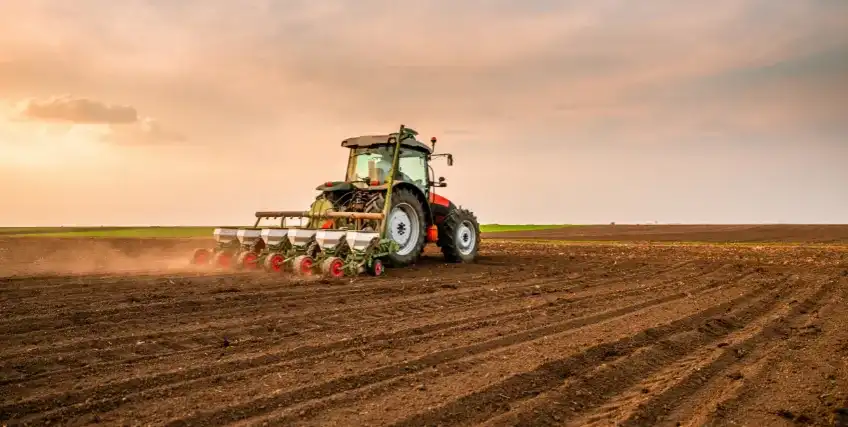
The Role of Agriculture Crop Loans in Modern Small-Scale Farming
Modern small-scale farming continues to evolve across the United States. As a result, farmers face...
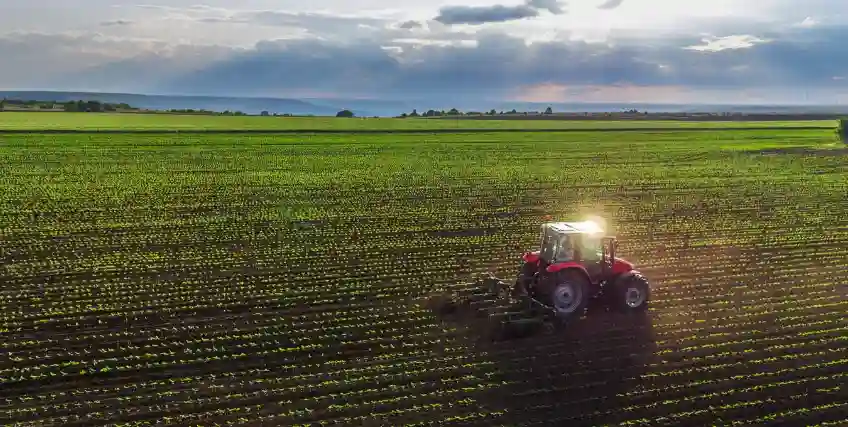
How Crop Loans Help Small Farms Manage Seasonal Expenses: Insights
The agricultural industry is incredibly challenging, especially for new farmers or small farming...

Crop Loans for Start-Up Farms: Requirements and Options To Explore
Agriculture startups in the United States face unpredictable markets and long gaps between planting...
FAQs About Crop Loan
1. What is a crop loan, and how does it work?
A crop loan is a short-term financing solution that covers the costs of seeds, fertilizers, pesticides, and other farming expenses, for a single crop cycle. Repayment is typically due after the harvest.
2. What are the main types of crop loans available?
Broadly, crop loans can be categorised into short-term, medium-term, and long-term financing options; each designed to meet different needs, from seasonal inputs to infrastructure upgrades. However, the main type of crop loan in the U.S. is a Farm Operating Loan, which is typically a short-term funding offered by various lenders. This includes commercial banks, Farm Credit System, and USDA Farm Service Agency (FSA).
3. Who is eligible for a crop loan?
Not just full-time but part-time and hobby farmers, sharecroppers, cultivators and even investors, who own agricultural land(s) are eligible for a crop loan. These financing solutions are available for a diverse range of properties and purposes. Lenders typically require proof of land ownership or the official lease, a crop plan and a record of repayment history.
4. How can I increase my chances of crop loan approval?
To improve crop financing approval chances, maintain a good credit score, prepare a detailed crop plan, and ensure accurate documentation. Applying early in the season and maintaining a consistent income record, may also strengthen a crop loan application.
5. What can crop loans be used for?
Crop loans can be used for various purposes, including purchasing seeds and fertilizer, buying or repairing equipment, and covering operational costs, like labor and feed. These solutions can also be used for building storage facilities, expanding the farm to include horticulture or livestock and even development of land for better yield.
Frequent searches leading to this page

Term Loans are made by Itria Ventures LLC or Cross River Bank, Member FDIC. This is not a deposit product. California residents: Itria Ventures LLC is licensed by the Department of Financial Protection and Innovation. Loans are made or arranged pursuant to California Financing Law License # 60DBO-35839