cale Your Poultry Business With Flexible Loan Programs


The poultry industry plays a big role in America's food system. From chicken meat to eggs, the demand keeps climbing every year. Farmers are working hard to keep up, but raising birds at scale is not cheap. Building poultry houses, buying feed, hiring staff, and keeping disease out of the barns all require serious investment. That is where loans for poultry farming come into play.
A growing number of poultry farmers rely on credit to manage daily expenses and secure long-term growth. Some look for poultry farm financing to cover upgrades like automated feeders or advanced ventilation systems. Others seek help from government programs through the Farm Service Agency (FSA) or USDA-backed poultry farm loans. Access to credit helps keep cash flow steady, even when feed prices rise or markets shift.
It's not only about large farms. Small family-owned farm operations also benefit from these funding options. Whether it's a business loan for poultry farm expansion or a chicken farm loan to build new barns, financing allows farmers to compete in a fast-changing poultry industry. With the right support, poultry businesses can focus on growth instead of worrying about running out of working capital.
Why Poultry Farmers Need Loans
Raising poultry has always been a capital-heavy business. Feed prices alone eat up a huge share of a farmer's budget. Add in veterinary care, electricity, labor, and housing upgrades, and the numbers climb fast. For many farmers, using loans for poultry farming becomes the only way to balance expenses with revenue.
A poultry business loan gives farmers the ability to cover daily costs without breaking cash reserves. It's especially useful when grain prices rise or when utility bills spike in colder months. Access to short-term operating loans or flexible lines of credit can make the difference between steady growth and financial strain.
When a farmer wants to expand, the need for outside funding grows even stronger. Building new poultry houses or upgrading ventilation systems demands large sums upfront. Here, a business loan for poultry farm provides room to scale while spreading repayment over time. It keeps cash flow moving and gives the farm a better chance of competing in a crowded poultry industry.
There's also the unpredictability of farming itself. Disease outbreaks, sudden equipment failures, or shifts in demand can leave a farmer exposed. With reliable poultry farm financing, there's a safety net. The right loan officer can guide farmers toward options with competitive interest rates, helping them manage risks while maintaining healthy business operations.
At the end of the day, financing is not just about debt. It's about giving poultry farmers the breathing space to grow, adapt, and keep their operations resilient.
Types of Loans for Poultry Farming
Every poultry operation is unique, and so are its financing needs. That's why there are different loan types designed to fit the realities of farming. Here are some common options poultry farmers consider.
1. Term Loans
A term loan is a classic choice for long-term investments, term loans help fund major projects like building new poultry houses or buying farmland. Farmers can lock in fixed rates or sometimes choose a variable rate, depending on what fits their budget. Repayment schedules are usually stretched over several years, making large loan amounts easier to manage. For those aiming to scale their poultry farm, term loans provide stability while supporting significant upgrades.
2. Operating Loans
Daily expenses in a poultry operation can pile up fast. Operating loans cover essentials like feed, water, electricity, or labor. These loans ensure smooth cash flow during periods when revenue is tight. A farmer may also use operating loans for short-term needs while waiting for payments from distributors. Having reliable working capital through this loan type can keep business operations steady and prevent interruptions.
3. Equipment & Real Estate Loans
Keeping a poultry farm efficient often means investing in equipment. From automated feeders to climate-control systems, modern tools cost money. Equipment loans make these purchases possible without straining cash reserves. On the other hand, real estate loans support buying land or constructing barns. These financing options are crucial for long-term growth and expanding farm ownership.
4. Chicken Farm Loan
Many lenders offer a chicken farm loan tailored to farmers focused specifically on poultry production. These loans may cover both short-term and long-term needs, from new chicks to upgraded farm operations. Some programs even offer refinancing opportunities, giving farmers a way to manage older debts more effectively.
Poultry Farm Loan by Government
Government-backed financing has long been a lifeline for American farmers. Programs through the USDA and its Farm Service Agency (FSA) were built to support growers who may not qualify for traditional credit. For poultry farmers, this means more accessible funding with better repayment terms and competitive rates.
One common option is the poultry farm loan by government, which can take the form of farm ownership loans, operating loans, or even youth loans for beginners entering the poultry industry. These loan programs are designed with flexibility, letting farmers choose between fixed rates and variable ones depending on their cash flow needs.
Eligibility criteria usually include demonstrating farming experience, a solid business plan, and in some cases a small down payment. A loan officer with the FSA often works directly with poultry farmers to guide them through the process. That support makes a big difference, especially for smaller farm operations competing with larger agribusinesses.
For some, poultry farm loans grants also come into play. While not as common as credit programs, grants can ease costs linked to sustainable farming upgrades, renewable energy, or disease-prevention systems in poultry houses. And when repayment challenges arise, some programs even allow refinancing to help farmers manage older debts.
In short, USDA-backed loans for poultry farming give producers more breathing room. They provide access to loan amounts that might otherwise be out of reach, helping farmers strengthen their operations while contributing to the nation's food supply.
Grants and Alternative Financing
Not every farmer wants to take on new debt. That's where grants and alternative financing step in as options alongside traditional loans for poultry farming. While less common, poultry farm loans grants can provide direct support for projects like energy-efficient upgrades, organic feed systems, or disease-prevention technology. Federal agencies, state governments, and agricultural nonprofits occasionally release these opportunities to encourage sustainable growth in the poultry industry.
Beyond grants, some farmers turn to poultry farm financing through credit unions, community banks, or farm credit cooperatives. These institutions often provide flexible lines of credit that allow farmers to cover seasonal expenses and smooth out uneven cash flow. It's a way to borrow only what's needed and repay quickly, often with more competitive interest rates compared to traditional business loans.
Another alternative is refinancing. A farmer juggling older debts may decide to refinance through a new program with the farm service agency or another agricultural lender. This can lower monthly loan payments or extend repayment schedules, giving poultry operations more breathing room.
Private agribusiness programs also exist. Some feed companies, equipment suppliers, or poultry integrators work with farmers on financing plans that act almost like short-term business loans. While these come with unique conditions, they can fill gaps when larger loan programs aren't an option.
In the end, whether it's grants, refinancing, or alternative lenders, poultry farmers have choices. Each path offers a way to strengthen their farm operations without putting all the pressure on a single loan type.
Advantages of Loans for Poultry Farming
For many farmers, access to financing isn't just helpful, it's what keeps the business alive. The right loans for poultry farming open doors that would otherwise stay closed. Here's why these loans can be game changers.
- Access to Working Capital: Daily expenses never stop. Feed, water, and labor costs pile up quickly. Having credit ensures steady cash flow so operations don't stall.
- Room to Expand: Adding new poultry houses or upgrading equipment takes serious money. With a business loan for poultry farm, growth becomes possible without draining savings.
- Flexibility of Loan Type: Farmers can choose from term loans, operating loans, or even short lines of credit. Each option fits different needs, whether long-term projects or short-term gaps.
- Predictable Repayment: Many programs offer fixed rates or structured loan payments, which makes it easier to plan expenses and manage repayment without stress.
- Support from Loan Officers: Working with a knowledgeable loan officer helps farmers pick the right program. Guidance makes navigating loan programs smoother and less intimidating.
- Competitive Rates from USDA: Government-backed financing often comes with competitive rates and longer repayment terms, helping farmers maintain financial stability while focusing on production.
With these benefits, poultry farm financing becomes less about debt and more about building a stronger, more resilient farm operation.
Disadvantages and Risks
While loans for poultry farming bring many benefits, they're not without challenges. Borrowing can solve immediate problems, but it also introduces risks that every farmer should weigh carefully.
- Debt Burden: Large loan amounts can feel overwhelming, especially if market prices for poultry drop. Even with strong farm operations, meeting monthly loan payments isn't always easy.
- High Interest Rates: Not all loans come with competitive rates. Some programs, particularly outside government support, may carry higher interest rates, putting extra strain on cash flow.
- Market Volatility: The poultry industry is tied to shifting feed prices, consumer demand, and global trade. A sudden downturn can hurt revenue, making repayment tougher.
- Disease Outbreaks: Poultry farms face biosecurity risks. If disease spreads, production slows but loan obligations don't. Even a short disruption can hurt business operations.
- Eligibility Requirements: Many loan programs have strict rules. Farmers may be turned away if they don't meet eligibility criteria such as credit history, down payment ability, or farm size.
- Refinancing Pressure: Farmers sometimes need to refinance old debts. While helpful, it can stretch repayment timelines and add long-term costs if not managed carefully.
In short, while poultry farm financing is vital, it also comes with strings attached. Farmers must weigh opportunities against the real financial risks.
Trusted by Thousands of Small Business Owners in America.**
Simply because we get what you go through to build a business you believe in.
**Disclaimer: All stories are real, as told by real business owners. Customers do not receive monetary compensation for telling their stories.
From One Entrepreneur to Another: We Get You
We understand what's behind building a business you believe in.
All stories are real, as told by real business owners. Customers do not receive monetary compensation for telling their stories.


Loans for Poultry Farming Articles
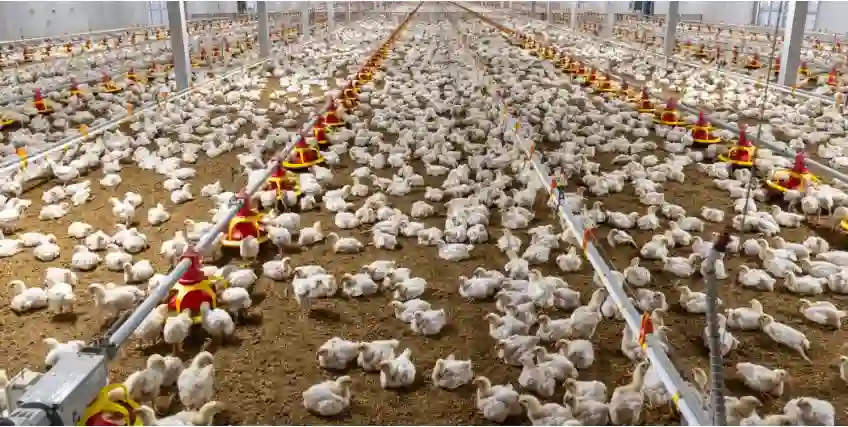
Poultry Farm Loans: Financing Options to Grow and Sustain Your Poultry Business
A poultry farm loan is a financial product designed to support poultry farmers in covering their business expenses. These loans...
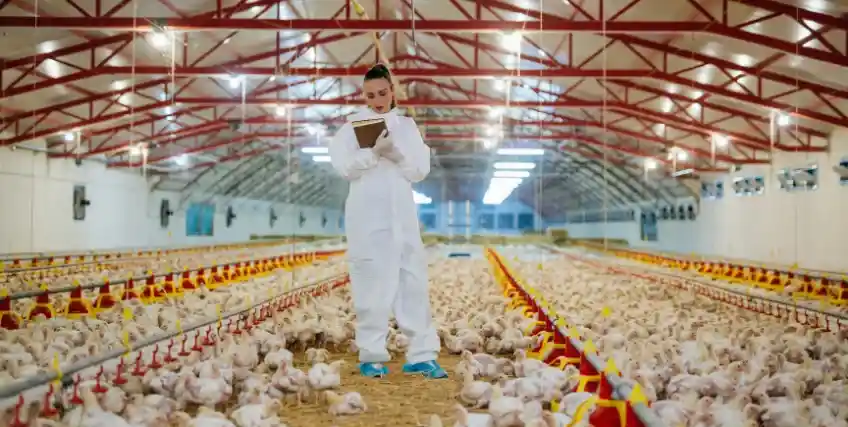
Poultry Farming for Beginners: Tips to Secure a Loan to Start Your Poultry Business
Poultry farming presents strong opportunities for small farm owners in the U.S. The demand for chicken meat, chicken eggs...

Poultry Loans: Financing Solutions for Your Farming Business
Poultry farming is a cornerstone of the agricultural industry and an essential contributor to diets all over the world. It also has...
Frequently Asked Questions About Loans for Poultry Farming
1. What are loans for poultry farming used for?
Farmers use loans for poultry farming to cover both short-term and long-term needs. That could mean buying feed, building new poultry houses, upgrading equipment, or expanding a farm operation. These loans also help maintain cash flow when expenses pile up faster than revenue.
2. Can I get a poultry farm loan by government if I’m new to farming?
Beginners can often qualify for a poultry farm loan by government through the USDA’s farm service agency (FSA). Programs like farm ownership loans or youth loans are designed to help new poultry farmers start their operations with affordable loan programs and manageable repayment terms.
3. What’s the difference between poultry farm loans grants and loans?
Poultry farm loans grants don’t require repayment, but they are limited and highly competitive. Loans, on the other hand, require regular loan payments but usually offer larger loan amounts and more flexibility.
4. How do I apply for poultry farm loan online?
Farmers can apply for poultry farm loan online through USDA portals, farm credit institutions, or private lenders. Having a business plan, financial history, and details of the poultry operation ready makes the process smoother.
5. Are chicken farm loans available for small-scale farmers?
A chicken farm loan is available to both small and large-scale producers. Smaller family-owned farms often rely on business loans for poultry farm expansion, upgrades, or simply to keep steady working capital.
