Crop Loans for Start-Up Farms: Requirements and Options To Explore
June 15, 2026 | Last Updated on: June 15, 2026

By Anjali Patel
Looking for Business Financing?
Apply now for flexible business financing. Biz2Credit offers term loans, revenue-based financing, lines of credit, and commercial real estate loans to qualified businesses.
Set up a Biz2Credit account and apply for business financing.
Key Takeaways
-
Crop loans support agriculture startups during the early production cycle.
- The U.S. Department of Agriculture, FSA, SBA, and other private lenders offer strong loan programs for entrepreneurs.
-
There are different types of financing options available that cover working capital, equipment purchases, real estate, and seasonal operating expenses.
- To qualify for agriculture crop loans, lenders evaluate eligibility through business planning, repayment capacity, and overall farming operations.
- New farmers and beginning farmers gain access to flexible terms and lower interest rates through federal government programs for loans for agriculture startups.
Agriculture startups in the United States face unpredictable markets and long gaps between planting and harvest. As a result, business financing often becomes the biggest challenge. New farm business owners must invest in land preparation, seeds, fertilizers, equipment, and labor, before a single sale happen.
Loans for agriculture startups give these entrepreneurs a path to stability. These funding options help them handle early costs with confidence. Many borrowers, including ranchers, agriculture producers, and family farm owners now rely on structured agriculture loans to support business expansion.
Moreover, the right crop loan programs help reduce pressure on cash flow and allow better risk management. This article explains what loans for agriculture startups are, why agricultural businesses may need it, and how startups can qualify. It also explains the different types of crop financing options that work best for new farmers across the U.S.
What are Loans for Agriculture Startups
Loans for agriculture startups are financing options that offer capital for farming operations during the early stages of business. These loans can be used for soil preparation, equipment upgrades, irrigation setup, crop insurance, and purchase of agricultural products. Hence, these loans apply to agriculture business owners, ranching operations, agribusiness ventures, and farm business entrepreneurs launching their first fields.
When seeking loans for agriculture startups, the federal government plays an important role through the U.S. Department of Agriculture and its Farm Service Agency (FSA). These agencies provide direct loan options, guaranteed loans, and special loan programs for beginning farmers and new farmers, who struggle to meet traditional banking requirements. Moreover, private lenders and Farm Credit System (FCS) institutions also participate by offering working capital and real estate financing to support growing ventures.
Why Agriculture Startups May Need Crop Loans
Agriculture startups usually deal with early costs that arrive long before the first sale. Loans for agriculture startups help farm business owners manage these demands with stable and predictable financing support.
Here’s why they need crop financing for their startups:
- High Upfront Costs
- Seasonal Cash Flow Gaps
- Equipment and Repair Needs
- Risk Management Support
- Expansion Opportunities
- Strong Production Capacity
New farms often face expenses for seeds, fertilizers, soil preparation, and irrigation tools. Crop loans help cover these needs and protect cash flow.
Farmers must wait for months before crops are ready. Loans for agriculture startups provide the necessary working capital during the period when money goes out but revenue has not yet materialized.
Agriculture equipment such as tractors, pumps, fencing, and storage units requires upfront investment. Loans for agriculture startups help farm business owners upgrade or repair equipment that affects day-to-day farming operations.
Weather patterns, pest issues, and market shifts often create uncertainty for farmers and ranchers. Hence, with easy access to crop financing, farm business owners can stay stable when unexpected costs appear.
Many beginning farmers want to introduce new crops, improve soil, or add more acreage. Therefore, with access to different loan programs, they can use the funds to grow their agriculture business at the right pace.
Having better tools, quality inputs, and improved land conditions help increase output. With loans for agriculture startups, farm business owners can create higher yields early in their journey.
Types of Loans for Agriculture Startups
Startup founders typically need financing options that cover different stages of agricultural growth. However, each loan option serves its unique purpose and comes with its own eligibility requirements. So, let’s see:
- SBA Loans
- SBA Microloans
- Equipment Financing
- Business Line of Credit
- Agribusiness Loans
- FSA Loans
- Farm Ownership Loans
SBA loans are backed by the U.S. Small Business Administration and are one of the most popular loan options available. These loans provide long repayment terms, lower interest rates, and flexible eligibility for qualified borrowers. Many startups in the agriculture business use SBA-backed business loans because the government reduces lender risk.
SBA loans for agriculture startups can be used to manage large investments, develop infrastructure, and build storage units for agricultural products. However, business owners need a strong business plan and collateral (in some cases) to qualify for these loans.
SBA Microloans are business funding options offering smaller loan amounts.These loans help borrowers who need simple and fast financing solutions.
SBA Microloans can be used to buy small tools, pay labor costs, or cover irrigation expenses. New farmers with limited credit history often rely on these loan programs during early stages.
Equipment financing is a funding option that allows business owners to purchase assets such as tools, machinery, and technology. Borrowers can pay in easy monthly payments instead of paying upfront for the equipment. Also, the equipment itself serves as collateral, which helps reduce interest rates.
Equipment loans for agriculture startups can be used to purchase tractors, harvesters, irrigation pumps, and other essential machines. Therefore, these business loans help farm owners reduce manual labor and support consistent output.
A business line of credit is a flexible, revolving funding option that offers funds up to a pre-approved credit limit. Borrowers can draw funds when needed and pay interest only on the amount used.
Startups can use lines of credit to handle short-term sudden operating expenses such as fuel, repairs, or soil treatments. Hence, this flexibility helps manage cash flow without overspending.
Agribusiness loans are financing solutions that support broader agricultural ventures. These include processing, packaging, and distribution. However, these loans often fit founders who are building a large-scale agriculture business.
Startups can use agribusiness loans to expand production into value-added goods. These loans can also be used to invest in storage, processing units, and packaging tools.
FSA loans from the Farm Service Agency support farm business owners who cannot access traditional financing. These loans include guaranteed loans, direct loan programs, and other loan options for beginning farmers. The U.S. Department of Agriculture supervises these loan programs.
Startups can use FSA loans for purchasing and upgrading equipment, working capital, and recovery after natural events. Also, these loans open doors to funding for underserved agricultural producers.
Farm ownership loans help borrowers buy farmland, expand acreage, or improve real estate assets like barns or irrigation networks.
Startups can use farm ownership loans to establish permanent farmland rather than relying on short-term leases. As a result, long-term ownership strengthens operational planning.
Tips to Qualify for Loans for Agriculture Startups
Qualification criteria for loans for agriculture startups differ across lenders. Most financial institutions still expect strong preparation from new entrepreneurs. Therefore, agriculture startups need to show readiness by presenting clear documents and consistent farming data.
Here are tips for applying:
-
Business plan: Having a comprehensive business planning, outlining the with expected yield, soil usage, and farming operations.
-
Ownership documents: Showing land ownership papers or lease agreements for cultivation area.
-
Repayment strategy: Showing consistent repayment projections based on each crop cycle.
-
Documents: Having necessary financial statements showing income, costs, and working capital needs.
-
Farm records: Having necessary farm records that track production history for ranchers and family farm owners.
-
Crop insurance: Proof of crop insurance and a clear risk management approach.
-
Compliance ready: Showing compliance with USDA and gov rules for agricultural producers.
-
Registration requirements: Having NMLS or registration details when specific loan programs require them.
Therefore, eligibility strengthens when borrowers maintain organized records and present a clear plan. Lenders also review credit health, but strong operational data often reduces concerns for startup founders.
The Bottom Line
Strong business financing keeps agriculture startups stable during early growth. Loans for agriculture startups can be used for seasonal expenses, equipment upgrades, real estate improvements, and long-term planning.
Farm business owners can access working capital through different crop financing options when they need it most. Also, new farmers and beginning farmers rely on USDA, FSA, SBA, and farm credit institutions that matches their growth goals.
Hence, explore your funding options, compare interest rates, and choose the loan program that aligns with the specific needs of your agriculture business.
Crop Loan Articles
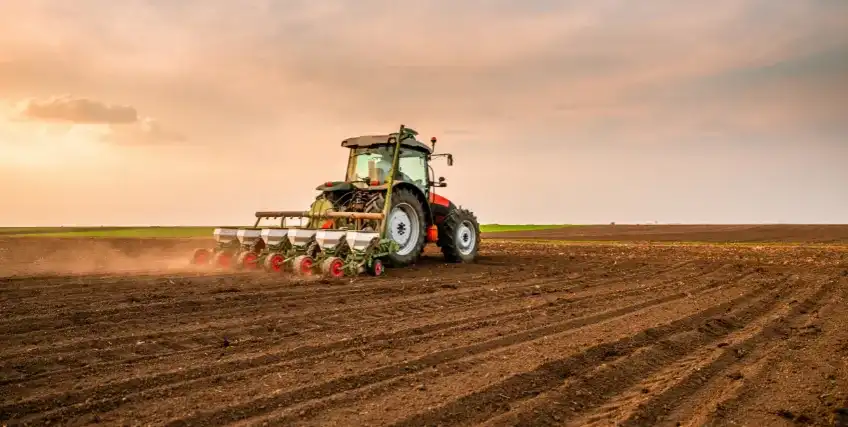
The Role of Agriculture Crop Loans in Modern Small-Scale Farming
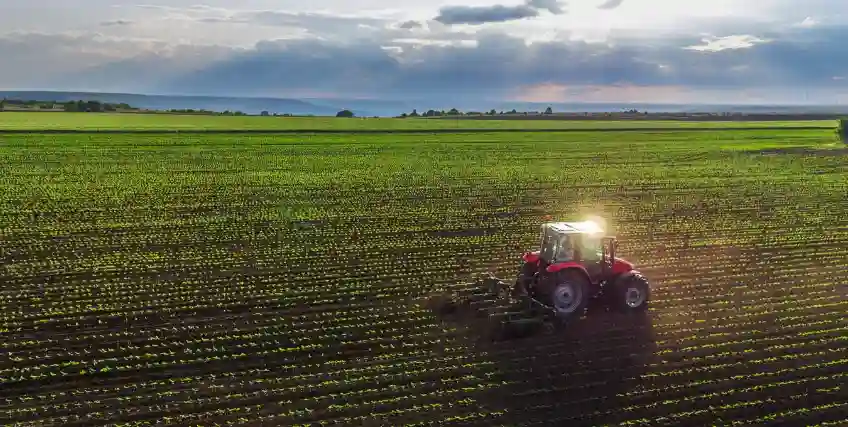
How Crop Loans Help Small Farms Manage Seasonal Expenses: Insights

Crop Loans for Start-Up Farms: Requirements and Options To Explore
FAQs About Loans for Agriculture Startups
1. What are crop loans for agriculture startups?
Crop loans for agriculture startups are funding options, that support new farm business owners to invest in seeds, fertilizers, labor, irrigation, and early-season expenses. These loans also help bridge the cash flow gap between planting and harvesting.
2. Who can apply for agriculture startup loans?
New farmers, beginning farmers, ranchers, agriculture producers, and small agribusiness owners can apply for agriculture startup loans. There are many federal government programs that also support underserved borrowers for agriculture business.
3. Do agriculture startups need strong credit scores?
While a strong credit score helps, many agricultural lenders, particularly the FSA, place greater emphasis on the startup's operational plan, repayment capacity, and projected yield. Moreover, FSA loans and USDA-backed loan options offer flexibility for entrepreneurs with limited credit history.
4. How much loan amount can a startup expect?
Loan amount varies based on the lender, the size of the farming operations, and the overall production plan. Many agriculture loans from FSA programs offer higher limits because the federal government provides support to lenders. While microloans work well for small plots, but larger farms may qualify for higher funding through guaranteed loans or SBA-backed options.
5. How can agriculture startups improve loan approval chances?
Agriculture startups improve loan approval chances by showing strong preparation: a clear business plan, evidence of consistent repayment capacity, organized financial records, and compliance with USDA and federal regulations. Maintaining accurate farm records and proactively communicating with lenders are also important.