Understanding Skid Loader Financing for Startups and New Businesses
July 17, 2026 | Last Updated on: July 17, 2026

Looking for Business Financing?
Apply now for flexible business financing. Biz2Credit offers term loans, revenue-based financing, lines of credit, and commercial real estate loans to qualified businesses.
Set up a Biz2Credit account and apply for business financing.
When your business depends on heavy equipment, it becomes a tough choice whether to purchase it before your revenue becomes steady. This is a difficult decision for new businesses who are starting companies in sectors like construction, landscaping and material handling operations that rely heavily on tools like skid loaders. These tools are non-negotiable for these businesses, and they cost a lot - ranging from $30,000 to $60,000 or more per unit. Not every new business has this kind of money in the bank.
This is why a lot of the new businesses explore skid loader financing as it not only resolves the money situation but also helps startups put the right tools to work while preserving their cash flow from the beginning. There are a lot of options in the market when it comes to skid steer loader financing, which has also made it comparatively easier for new businesses to qualify.
This article covers skid loader financing options available to startups, eligibility requirements, typical rates and terms, and strategies to secure the most favorable deal possible.
Why Is Skid Loader Financing the Right Move for New Businesses?
Skid loader financing is a form of equipment financing which enables companies to purchase skid loaders, skid-steer loaders, and other similar heavy machinery, including wheel loaders, backhoe machines, and sometimes even mini excavator machines.
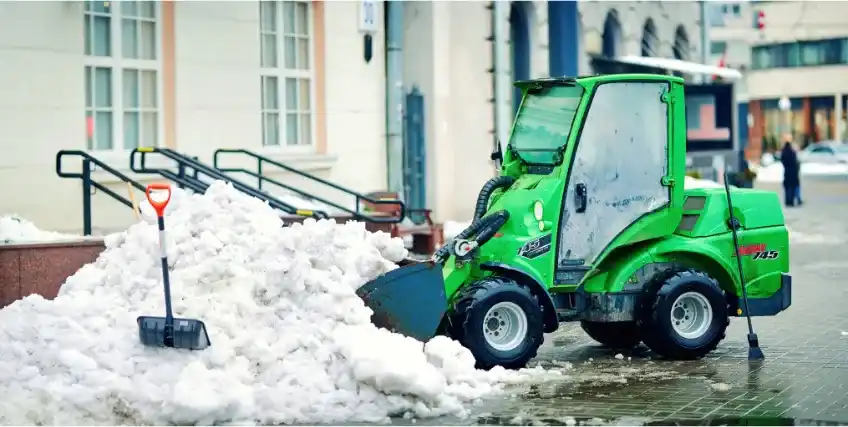
As startups, many businesses find that using a skid loader loan makes it easier for them to manage the expense of buying equipment by spreading out the cost over time. With monthly payments, budgeting is simpler. Some programs offer flexible payment terms that work well with seasonal businesses, such as snow removal. In a nutshell, skid loader financing spreads that cost into predictable monthly payments, keeping operating capital where it belongs.
Beyond that immediate need, there’s a tax angle too. Under Section 179 of the U.S. Internal Revenue Code, businesses can deduct the full cost of qualifying financed equipment in the year it’s put into service, even if you haven’t paid off the loan yet! That means the immediate operational access, combined with possible long-term tax benefits, makes skid loader financing a smart move for startup construction, excavation, and landscaping companies.
What Skid Steer Loader Financing Options Are Available to Startups?
Financing structures need to be tailored to each business model. The differences between each type of skid loader financing is explained to help you narrow down your choices from the beginning. Here is a comparison of the main skid steer loader finance options open to startup businesses:
Equipment Loans
Equipment Leasing
SBA Loans
Manufacturer and Dealer Financing
An equipment loan is the most common form of skid loader financing. You borrow a set amount, make fixed monthly payments over the loan term, and own the machine once the loan is paid off. Interest is typically fixed, so your payment never changes regardless of market conditions. Equipment loans are ideal when you plan to use the machine for many years and want to build equity in a capital asset. Loan terms generally range from 36 to 72 months, and down payments can range from 0% to 20%, depending on your credit and the lender's program.
An equipment lease lets you use the skid steer for a certain period without actually owning it during the term. Operating leases are good if you’d like lower monthly payments, plan to upgrade the piece every few years, and don’t care about the machine appearing as an asset on your balance sheet. Capital leases work like loans (meaning the machine will appear on your balance sheet), and you’ll often buy it for $1 when the lease ends. In this type of skid steer financing, then, monthly payments are generally cheaper than loan payments, which makes leasing an attractive choice for tight-cash-flow startups. When your term is up, you can buy the machine, renew the lease, or return it and upgrade.
The Small Business Administration offers loan programs (including 7(a) and 504) that can be used to purchase equipment. SBA-backed skid loader financing may offer low rates and long terms, but require more documentation. It generally has the cheapest all-in costs of financing if you are a qualifying startup. But startups with good business plans and credit scores above 680 have the best chance of getting approved.
Major skid steer manufacturers all offer captive skid loader financing programs through their dealer networks. These programs occasionally feature promotional rates - sometimes 0% for 12-24 months on select models. The limitation is that you are restricted to purchasing through that brand's dealer network, which may not offer the best selection or price for your specific needs.
What Are the Eligibility Requirements for a Skid Loader Loan for New Business Applicants?
Lenders look at a slightly different set of factors when going over applications for skid loader loan for new businesses. Some of the most frequent eligibility criteria are:
- Personal credit score
- Time in business
- Down payment
- Business plan or revenue projections
- Equipment type
How Do Skid Loader Financing Rates and Repayment Terms Work?
Skid loader financing rates generally range from 6% to 24% per year, depending on the applicant’s credit profile, loan term, down payment and whether the equipment is new or used. Startups typically begin on the higher end of that scale, until they’ve established a payment history. The best way to cut that price is to shop around for a few skid loader financing options before you sign.
Loan terms typically run 24 to 84 months:
24–36 months: Higher monthly payments, lower total interest paid. Suitable for businesses with strong early cash flow.
48–60 months: The most common range for startup borrowers, balancing monthly payments with total cost.
72–84 months: Lower monthly payments, but total interest accumulates significantly over time.
Year end is typically the best time to act. Your equipment dealer may offer special year-end financing deals or manufacturer rebates which can significantly reduce the effective cost of your skid loader financing. If you apply at the right time, you can walk away with far superior terms.
What Equipment Can Be Covered Under Financing Heavy Machinery Startup Programs?
Heavy machinery startup programs seldom deal with only one kind of machine to finance. Most lenders bundle multiple units together for one financing offer, which is great if you have a fledgling company in need of more than a skid loader to get going.
Equipment commonly covered includes:
- Skid steer loaders (wheeled and track variants)
- Compact track loaders
- Mini excavators and full-size excavators
- Backhoes
- Wheel loaders
- Trenchers
- Forklifts
- Attachments (buckets, augers, grapples) are often bundled into the primary loan
Bundling related pieces of equipment together under one financing heavy machinery startup program can also simplify repayment, sometimes through a single, all-inclusive monthly payment covering your whole equipment bundle. It’s worth asking about when you apply for financing.
How Can New Businesses Secure Better Skid Loader Financing Rates?
You should not settle for the first interest rate that is offered to you. As an applicant, you can take some definitive steps to improve the terms on a skid loader financing application. Here is how you can do it:
- Strengthen personal credit before applying.
- Offer a larger down payment.
- Apply during year-end or off-season windows.
- Compare multiple financing programs.
- Consider a co-signer.
- Choose new equipment over used whenever possible.
Conclusion
Skid loader financing gives your startup the skids to take off without sacrificing the liquidity you need to grow. The best route depends on your business’s finances, credit strengths and timeline, whether it’s an equipment loan, lease, SBA deal or dealer-backed financing.
Those startups who do their homework - establish credit, save for a healthy down payment, and shop skid steer loader financing from several lenders - always get better skid loader financing deals than those who apply cold. The funds are there. Terms negotiable. Whether the business is in a position to take advantage of them is the question.
Snow Plow Financing Articles

Cost Analysis: Investing in Commercial Snow Removal Equipment

Seasonal Guide: Preparing Your Snow Removal Equipment Before the First Storm
How Landscaping and Snow Removal Companies Use Equipment Financing to Balance Cash Flow
FAQs About Skid Loader Financing
1. Can a startup with no revenue qualify for skid loader financing?
Lenders of new businesses tend to focus on personal credit score, down payment size, and business plan quality over revenue history. Some equipment financing programs accept low-revenue businesses as long as the overall risk profile is favorable.
2. What credit score is needed for a skid loader loan for new business applicants?
Most equipment lenders prefer a personal credit score of 620 or higher. SBA-backed programs and traditional banks often set their threshold even higher, at least 680. If your personal credit score falls below those figures, you may still be able to qualify with a bigger down payment or by enlisting a co-signer.
3. What are the best skid steer loader financing options for seasonal businesses?
There are several options to finance skid steer loader and other equipment including equipment loans, leasing, online lenders, seasonal payment plans, and dealer financing solutions that offer flexible payment schedules
4. What loan terms are typical for skid loader financing?
Terms can range between 24 to 84 months, but startups tend to take out 48 to 60-month terms because they offer an attractive mix of reasonable monthly payments vs. overall interest costs.
5. Are there tax advantages to financing instead of purchasing outright?
If a business finances equipment, it may be able to take advantage of the Section 179 deduction, which allows the full cost of qualifying equipment to be deducted in the year it is placed into service. Consult with a tax professional to confirm eligibility for the type of financing structure used.