Cost Analysis: Investing in Commercial Snow Removal Equipment
July 13, 2026 | Last Updated on: July 13, 2026

Looking for Business Financing?
Apply now for flexible business financing. Biz2Credit offers term loans, revenue-based financing, lines of credit, and commercial real estate loans to qualified businesses.
Set up a Biz2Credit account and apply for business financing.
Winter doesn’t send a text warning you before it covers your parking lot with 6 inches of snow. We’ve all been there. Miss one snowfall, and slippery walkways become an unavoidable hazard, upsetting customers, causing liabilities – and all at a price much higher than any piece of equipment. It’s no wonder so many business are considering whether commercial snow removal equipment makes more sense than the ongoing cost of outsourcing.
It’s a big decision. Commercial snow removal equipment can be expensive but necessary.
This article will break down the true cost of owning commercial snow removal equipment, explore the benefits of buying vs leasing, cover maintenance costs, and show you how snow plow financing can make ownership possible.
What Does Commercial Snow Removal Equipment Actually Cost?
Commercial snow removal equipment can be very costly, but it depends on the size of the area you have to clear, the type of snow you are dealing with and the type of machine you need. A small business shoveling a single driveway has very different needs than one that shovels multiple larger spaces, with heavy snow.
So this is a quick overview of what you can expect in equipment categories:
Snow blowers: Single stage snow throwers can deal with light, fluffy snow on a sidewalk and a small driveway. Two-stage snow throwers are suitable for heavy, wet snow and larger areas.
Snow plows: A commercial grade snowplow, such as a V-Plow or V-Blade, easily bolsters right on your truck or UTV and clears your parking lot.
Wheel loaders and skid steers: These off-road vehicles are used to clear snow at large commercial locations.
UTVs and utility vehicles: Small and agile, these excelling in confined spaces and over mixed terrain.
Spreaders: Two types of spreaders, salt spreaders and drop spreaders, to spread de-icing material and sprayers to apply brine for proactive ice management.
Small Property Versus Large-Scale Equipment Needs
A homeowner or small business with a short driveway will likely only need a walk behind, single stage snow blower. Bigger commercial properties, however, typically call for front mounted plows, skid steers, or even compact tractors with snow removal attachments. Pairing up size to property size saves money and clears snow more efficiently in a heavy snowfall.
Should You Buy or Lease Commercial Snow Removal Equipment?
There is no correct answer to this question. Depends on cash flow, how often it's used, and how long the business plans to be in its current location.
Buying commercial snow removal equipment makes sense when:
The property experiences frequent, heavy snow each winter season
The business wants full ownership and no usage restrictions
There is enough capital to absorb maintenance and storage costs
Leasing makes sense when:
Upfront cash is limited or reserved for other operations
The business wants newer, more durable models without long-term commitment
Snowfall is unpredictable from year to year
Versatility counts here too. Good resale value can be a factor in the decision to lease or buy, and equipment that offers good warranty coverage and a track record of durability tend to have good resale value.
What Are the Maintenance Costs of Snow Removal Equipment?
Maintenance is the hidden cost that catches many business owners off guard. Commercial snow removal equipment is built to be heavy-duty, but it still needs consistent upkeep to perform reliably. Typical maintenance expenses include:
Routine servicing: Hydraulic systems, blades, and augers need regular inspections. Skipping this step shortens equipment lifespans and increases the chances of breakdowns during peak snow clearing seasons.
Cutting edge replacement: Plow blades wear down with heavy use and need occasional replacements to ensure clean, efficient clearing.
Off-season storage: Proper winterization and storage help protect equipment from rust and component damage.
Local dealer servicing: Many owners rely on a local dealer for parts, repairs, and warranties instead of taking care of everything in-house.
So, what does the “sticker price” really look like? Annual upkeep can add a meaningful percentage to overall ownership costs.
How Does Commercial Snow Removal Equipment Pay for Itself?
Does owning equipment save you money versus hiring a snow removal contractor every winter? In many cases, yes — especially for businesses managing multiple properties or large areas.
Return on investment (ROI) depends on several factors:
Reduced liability from faster snow/ice control after storms
Labor savings over multiple winter seasons compared to recurring contractor fees
Off-season versatility (some machines like ventrac units or SSV models double as landscaping or lawn mower attachments)
Retained resale value through durable, well-maintained equipment
Commercial properties clearing snow quickly reduce slip-and-fall liability—protecting both customers and the bottom line. That alone makes commercial snow removal equipment a strong long-term investment for many small businesses.
How Can Snowplow Financing Make Equipment More Affordable?
Not every business has the capital to purchase commercial snow removal equipment outright. That’s when snowplow financing comes in handy! Financing enables a business to spread the cost of new or used equipment out over time, rather than paying the entire amount all at once. A few things to think about are:
Match the loan or lease term to the expected lifespan of the equipment
Look for seasonal payment structures that match your winter and off-season cash flow
Compare plow financing options for new vs. used machinery (used equipment typically comes with lower monthly payments but a shorter remaining lifespan)
Businesses looking into equipment financing should also consider working capital solutions to pay for maintenance and operating costs during the winter season. If they meet requirements, SBA loans often have favorable terms for large equipment purchases.
What’s the Best Commercial Snow Removal Equipment for Your Property?
No one size fits all when it comes to the best commercial snow removal equipment. What’s right depends solely on property size and snowfall intensity.
Small commercial properties: Walk behind or single-stage snow blowers easily clear walkways and small driveways. Mid-size lots: Skid steers paired with V-blade plows rapidly clear snow without excessive fuel costs. Large scale operations: Wheel Loaders and Heavy Duty Front Mounted Attachments easily handle heavy snow across expansive parking lots.
Before buying or financing anything, map out your property size, typical snowfall, and how frequently you will need to clear snow.
Alternatives to a Commercial Snow Removal Equipment Loan
Aside from commercial snow removal equipment loan, consider the following options to get financial resources for your business.
Merchant cash advances. MCAs are not loans but advances that you repay with a percentage of future debit or credit card sales. However, factor fees and administrative fees can be expensive.
Credit cards. Business credit cards may offer quick online applications and near-immediate access to funds. However, interest rates can be high and debt on a high-interest card can be hard to pay off.
Crowdfunding. Instead of borrowing money, you could try launching a crowdfunding campaign to raise funding from others. Fundraising can reduce borrowing costs while helping you build a community of loyal supporters.
Personal loans. With a personal loan, only your finances are considered so you don’t have to worry about being in business for a certain amount of time. Before applying, be sure your lender offers personal loans for business use.
Grants and accelerator programs. Depending on your type of business, you may qualify for a grant to cover startup or growth costs. Some organizations also manage accelerator programs where business owners get funding and mentorship.
Conclusion
Choosing the right commercial snow removal equipment is more than just a means of moving snow. It’s about protecting people, property and profits during the worst months of the year.
Whether you choose to buy, lease or research snow plow financing, the goal is the same: reliable and efficient snow management that doesn’t cost a fortune. Properly sized for your property and snow levels, commercial snow removal equipment is designed to pay for itself over time through lower labor costs, fewer liability situations and faster response times during large snow events.
Small business owners should shop for “lowest price” not just up-front cost vs. long term value. A cheap machine that breaks down mid-season might end up costing more than a solid, well-reviewed option with a good warranty and local servicing for maintenance and parts.
Bottom line: Buying commercial snow removal equipment is just smart business. By doing your homework, comparing your financing options, and picking the right equipment, you’ll go a long way towards taking a lot of the headaches out of those cold winter months.
Snow Plow Financing Articles

Understanding Skid Loader Financing for Startups and New Businesses
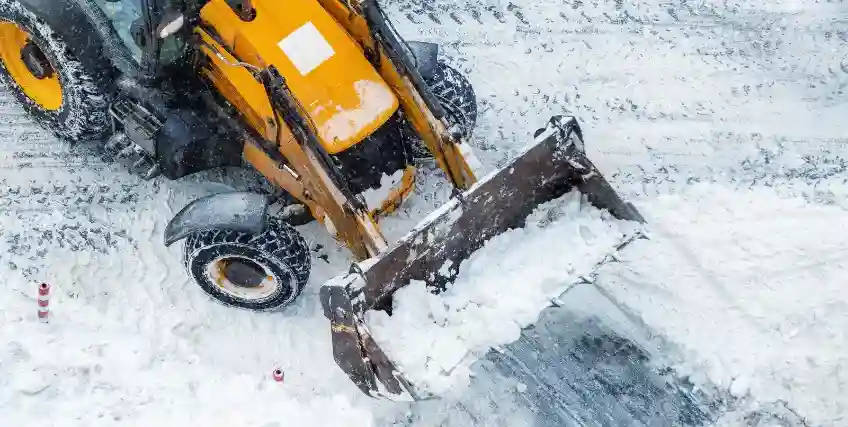
Seasonal Guide: Preparing Your Snow Removal Equipment Before the First Storm
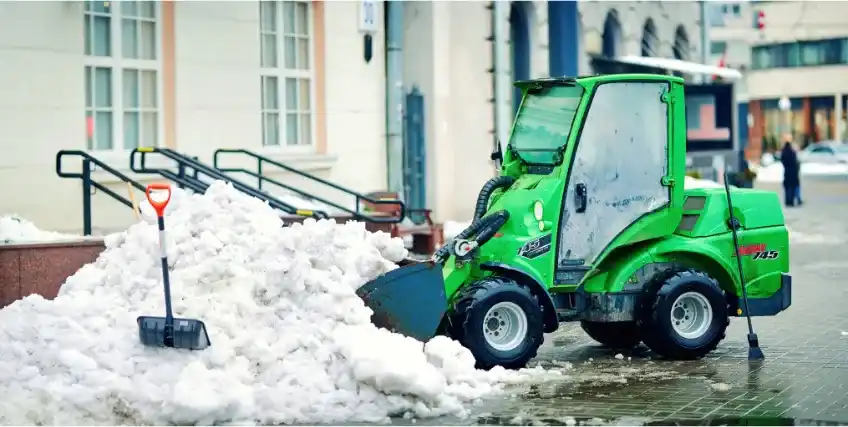
How Landscaping and Snow Removal Companies Use Equipment Financing to Balance Cash Flow
FAQs About Commercial Snow Removal Equipment
1. Is it cheaper to lease or buy a commercial snow plow?
Leasing usually costs less upfront, while buying saves money over several winters. The better choice comes down to snowfall frequency and how long you expect to need the equipment.
2. How much does commercial snow removal equipment cost?
Costs vary by machine type, starting at just a few hundred dollars for small snow blowers all the way up to tens of thousands for skid steers or wheel loaders.
3. What financing options are there for snow removal equipment?
You can finance snow removal equipment with everything from equipment loans to leases to plow financing through banks, credit unions, or even specialty lenders. Some businesses turn to working capital loans for related costs as well.
4. How long does snow removal equipment last?
5. Can I use my snow removal equipment in other seasons?
Frequent searches leading to this page
Term Loans are made by Itria Ventures LLC or Cross River Bank, Member FDIC. This is not a deposit product. California residents: Itria Ventures LLC is licensed by the Department of Financial Protection and Innovation. Loans are made or arranged pursuant to California Financing Law License # 60DBO-35839