Loans for Dry Cleaners:
Funding Options, Eligibility & Application Guide
Looking for Business Financing?
Apply now for flexible business financing. Biz2Credit offers term loans, revenue-based financing, lines of credit, and commercial real estate loans to qualified businesses.
Set up a Biz2Credit account and apply for business financing.
People are increasingly busy, particularly in urban areas, making outsourcing laundry tasks increasingly appealing. This sentiment is supported by numbers of the global dry-cleaning and laundry services market, projected to reach USD 118.71 billion by 2030, according to Grand View Research. So, if there are plans for setting up a new laundromat, expanding an existing laundry business or a buyout, loans for dry cleaners can provide the much-needed kickstart.
Dry cleaning businesses need stable cash flow to manage costs, upgrade machines, and stay competitive. This is where loans for dry cleaners, dry cleaning equipment financing, and other forms of dry cleaning financing can help owners run operations. Business loans for cleaners support many needs, from replacing ageing washers to expanding footprints. In this page, expect clear guidance on funding options, eligibility criteria, lender expectations, and how to choose the right loan for laundry or dry cleaning business.
Types of Loans For Dry Cleaners
Dry cleaning businesses rely on different funding options to manage equipment upgrades, operational expense, and expansion plans. This is why loans for dry cleaners are available in several forms, each designed to meet specific demands or needs. From equipment purchases to real estate, loans for dry cleaners help owners choose financing that suits their size, budget, and growth goals. So, here is a list of loans for dry cleaners that can be used to make headway against competitors:
- SBA 7(a) Loans: These are used for general business capital needs, such as equipment or real estate. This is the most flexible SBA loan and suits many dry-cleaning business expenses.
- SBA CDC/504 Loans: This financing solution is meant for major fixed assets, such as buildings and large machinery. This works well for businesses planning expansion or upgrading heavy equipment.
- SBA Microloans: Under this loan type, businesses can draw smaller loans up to USD 50,000, for various expenses, excluding real estate and refinancing existing debt. Ideal for small upgrades or early-stage dry cleaners with limited cash needs.
Small Business Administration (SBA) Loans
These loans offer longer repayment terms and possibly lower interest rates for qualified applicants. They include:
Term Loans
This provides a fixed amount of money upfront, and this loan is repaid over a set period. These come from banks or alternative lenders. Useful for planned expenses like renovations, new machines, or business expansion.
Equipment Financing
This funding can be used specifically to buy new or used dry cleaning and laundry equipment via monthly instalments. The equipment itself serves as collateral, so it helps reduce the pressure of large upfront costs and keeps cash flow steady.
Line of Credit
It is a flexible credit facility that allows access to funds when needed and repayments, as funds are used. Suitable for handling seasonal dips, repairs, or short-term operating gaps.
Working Capital Loans
These are loans designed to cover daily operating costs, often offered by online lenders. They may help dry cleaners manage payroll, supplies, utilities, and other recurring expenses.
Commercial Real Estate (CRE) Loans
These are mortgages secured by non-residential property, such as office buildings, and are used by businesses to purchase or renovate commercial properties. Dry cleaners may often use CRE loans when buying property instead of leasing.
Franchise Financing (if the cleaner is a franchise brand)
Some lenders offer tailored funding for franchise dry cleaning businesses, covering franchise fees, equipment, buildout, and working capital. This helps new franchise owners meet brand requirements and setup operations speedily.
Business Credit Cards
These loans are mainly used for small, recurring purchases such as supplies, minor repairs, and utility bills. They also help build business credit history that supports future loan applications.
Eligibility Criteria and Documents Needed: Loans for Dry Cleaners
To get loans for dry cleaners, typically a set of documents that throw light on a business's identity, stability, and financial performance is important. Lenders commonly check registration proof, relevant licences, financial records, and tax filings before approving a loan. These documents help confirm that the dry cleaning business is legally compliant and financially prepared for borrowing. So, here's a list of the common eligibility requirements and the documents needed to get loans for dry cleaners:
Eligibility Criteria
- A registered dry cleaning business
- Valid business licences (as required by local authorities)
- A stable financial history
- Consistent sales and turnover records
- A trustworthy loan repayment history
- A detailed business plan for new or existing ventures
- Collateral availability for secured loans
Documents Needed
01 Personal and business identification
- Government-issued ID such as a passport or driver's licence.
- Employer Identification Number (EIN).
- Business address proof such as utility bills or lease agreements.
- Passport-sized photographs when required by the lender.
02 Business and operational documents
- Business formation documents such as Articles of Incorporation, Articles of Organization, Partnership Agreement, or Operating Agreement.
- Proof of business activity such as state business registration or local business permits.
- Required licences for dry cleaning operations including environmental or health permits based on state regulations.
- A business plan that outlines the business model, market strategy, team experience and financial goals.
03 Financial and tax documents
- Recent balance sheets and Profit and Loss statements.
- Income Tax Returns for the business and its partners or directors (ideally past 2 years).
- Bank statements for the last 6 to 12 months.
- Sales and turnover records or provisional financials for the current year.
04 Other documents
- Property papers when collateral is offered.
- Loan repayment history for any existing or past loans.
Tips to Improve Loan Approval Chances
Loans for dry cleaners may get approved quickly, only if and when lenders see clear financials and a well-structured plan. Most lenders in the United States focus on credit scores, cash flow curve, collateral value, and the supporting documents. A strong application shows organised records, transparent projections, and a clear vision for how the funding will support growth. The common yet crucial tips below outline simple steps that help improve approval odds when applying for loans for dry cleaners:
- Organise financial documents. Keep 2 to 3 years of business and personal tax returns, balance sheets, income statements, and recent bank statements ready.
- Prepare a well-drafted business plan; include market research, sales strategy, operating costs, and financial forecasts.
- Ensure accurate information has been submitted. Lenders verify every detail, so honesty is the best policy, as it protects the application and may lead to favorable terms.
- Maintain strong personal and business credit scores. Good or above-average credit may improve approval chances and reduce interest rates.
- Show consistent cash flow. Lenders want to confirmation that the business can meet monthly repayments without strain.
- Check collateral options. Offer equipment or property if the loan needs security.
- Understand the Five Cs of Credit. Lenders often judge loan applications based on Credit Character, Conditions, Capital, Capacity and Collateral.
- Compare lenders. Check interest rates, fees, loan limits, and repayment terms across banks, credit unions, and online lenders.
Common Mistakes to Avoid: Loans For Dry Cleaners
We know it is only human to make mistakes, but loan applicants must be extra careful during application and submission. Since lenders look closely at information, accuracy is key! If there are issues related the financial health or overall readiness of the business, borrowers may face delays and even rejections. Tiny mistakes such as missing documents, weak cash stream, poor credit scores and even choosing the wrong loan, can reduce approval chances. Being aware of these common loan application errors, helps dry cleaning owners prevent losses and setbacks while presenting a strong application. Here is a list of mistakes to avoid when applying for loans for dry cleaners:
- Submitting incomplete documents without key information, like tax returns, bank statements, or financial reports.
- Providing financial statements that are inaccurate.
- Not preparing a clear repayment plan that shows how the loan will be repaid.
- Showing weak or inconsistent cash flow that raises doubts about repayment ability.
- Ignoring personal and business credit scores until the last minute.
- Applying for a loan type that does not match the business's needs.
- Skipping lender comparison and accepting the first offer without checking terms.
- Overborrowing and creating monthly repayment pressure.
- Offering unclear documented collateral that reduces lender confidence.
- Forgetting to account for fees, penalties, or additional loan costs.
- Taking on too many loans at the same time and increasing financial risk.
- Showing a lack of financial stability or not understanding the business's numbers.
- Failing to update required permits or business licences before applying.
- Not explaining how the loan will support growth or operational improvements.
- Responding slowly to lender requests, causing delays or missed approval.
Loans For Dry Cleaners: Move Ahead With Smart Funding
In the end, choosing the right financing becomes easier when business owners understand how different loan options help them grow, expand, or refinance existing debt. Many small business owners use loans for dry cleaners to upgrade equipment, stabilise cash flow, or better their dry cleaning services.
A well-prepared borrower can explore a wide range of financing types, from an SBA 504 loan program to a standard small business loan, depending on the scale of the new business. Strong documentation and clarity during the application process also help speed up the approval process. So, with careful planning and a realistic mindset, entrepreneurs can use loans for dry cleaners as a base for long term business financing and progress.
Trusted by Thousands of Small Business Owners in America.**
Simply because we get what you go through to build a business you believe in.
**Disclaimer: All stories are real, as told by real business owners. Customers do not receive monetary compensation for telling their stories.
From One Entrepreneur to Another: We Get You
We understand what's behind building a business you believe in.
All stories are real, as told by real business owners. Customers do not receive monetary compensation for telling their stories.


Loans for Dry Cleaners Articles

Why Dry Cleaning Businesses Are Turning to Financing: Equipment Upgrades, Sustainability & Growth
The dry cleaning industry is moving rapidly along with fresh challenges and new opportunities...
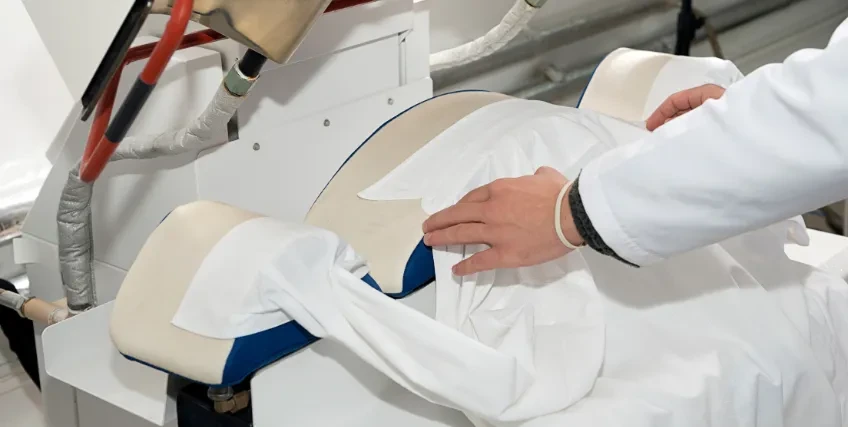
Dry Cleaning Equipment Financing: How Modern Cleaners Upgrade Without Heavy Upfront Costs
Between stringent environmental regulations, rising energy costs, and evolving customer expectations...

Cleaning Business Loans: Funding Options to Grow Residential or Commercial Cleaning Services
The cleaning industry in the United States continues to expand. Residential and commercial cleaning demand...
FAQs About Loans For Dry Cleaners
1. What types of loans are available for dry cleaners?
Loans for dry cleaners include equipment financing, SBA 7(a) and 504, business lines of credit, working capital loans and commercial real estate loans. They may vary by business needs, lender terms and eligibility. Comparing lenders and offers is crucial to choose the kind of loan needed.
2. How does dry cleaning equipment financing work?
Equipment financing lets dry cleaning firms acquire washers, dryers or presses and repay via instalments while the machinery serves as collateral. It helps preserve cash flow by avoiding a large upfront purchase. Terms depend on equipment value and business credit.
3. What are typical eligibility criteria for business loans for cleaners?
Lenders check credit history, business revenue, cash flow, time in operation and sometimes collateral or industry experience may matter.
4. Can start-up dry cleaning shops qualify for loans for dry cleaners?
Start-ups may access SBA microloans or equipment leases, though costs and interest may be higher without an established track record. Alternative lenders may also approve based on daily sales or assets. Ensure the business plan clearly shows how the funds will be used to fund brand growth.
5. What factors affect interest rates on loans for dry cleaners?
Interest rates depend on credit strength, annual revenue, loan type and the amount of collateral offered. Market conditions, lender risk appetite and the age of the cleaning business, also impact pricing. Stronger cash flow and solid credit profiles may secure lower rates.
Frequent searches leading to this page
Term Loans are made by Itria Ventures LLC or Cross River Bank, Member FDIC. This is not a deposit product. California residents: Itria Ventures LLC is licensed by the Department of Financial Protection and Innovation. Loans are made or arranged pursuant to California Financing Law License # 60DBO-35839