Dry Cleaning Equipment Financing: How Modern Cleaners Upgrade Without Heavy Upfront Costs
June 08, 2026 | Last Updated on: June 08, 2026

By Nick Perry
Looking for Business Financing?
Apply now for flexible business financing. Biz2Credit offers term loans, revenue-based financing, lines of credit, and commercial real estate loans to qualified businesses.
Set up a Biz2Credit account and apply for business financing.
In this article:
- Breaking down why modern equipment is essential, the typical cost of necessary upgrades.
-
Exploring the laundromat equipment financing and dry cleaning equipment financing options available on the market.
- Understanding how dry cleaning equipment financing can lead to reduced downtime, improved efficiency, and a boost in long-term profitability.
Between stringent environmental regulations, rising energy costs, and evolving customer expectations for quick service, the dry cleaning industry is undergoing an innovation revolution. For many dry cleaning businesses, laundry service providers, and small business owners, decades-old machinery is now a significant liability. Outdated systems are expensive to maintain, but new washers and pressers represent a major capital expense. That’s where dry cleaning equipment financing comes in.
Small business owners must upgrade or risk falling behind the competition. A single piece of equipment can cost alot, and that’s before you factor in the operational and maintenance costs. Dry cleaning equipment financing is indispensable because it helps offset the upfront costs, allowing businesses to improve services and generate revenue to cover ongoing equipment expenses.
Why Modernizing Dry Cleaning Equipment Is Essential
For dry cleaners and laundry services, equipment is the lifeblood of the business. Whether you’re a startup or an established business, the condition of your equipment has a major impact on business performance. But that’s not the only reason why upgrading is so important.
The Shift to Eco-Friendly Systems
Laundry businesses have a moral and regulatory imperative to shift away from the solvent perchloroethylene (Perc).
There are a couple of viable alternatives, both of which are expensive:
Wet cleaning systems: Utilizing specialized washers, dryers, and finishing equipment that handle garments with water and biodegradable detergents. These systems are highly efficient but require a dedicated setup.
Alternative solvent machines: Modern dry cleaning machines use non-toxic, eco-friendly solvents such as hydrocarbon, siloxane (D5), or liquid CO2. While expensive, these systems offer superior cleaning power.
In either case, you may have to explore small business loans or dry cleaning equipment financing options to make these upgrades and remain compliant.
Efficiency and Capacity Upgrades
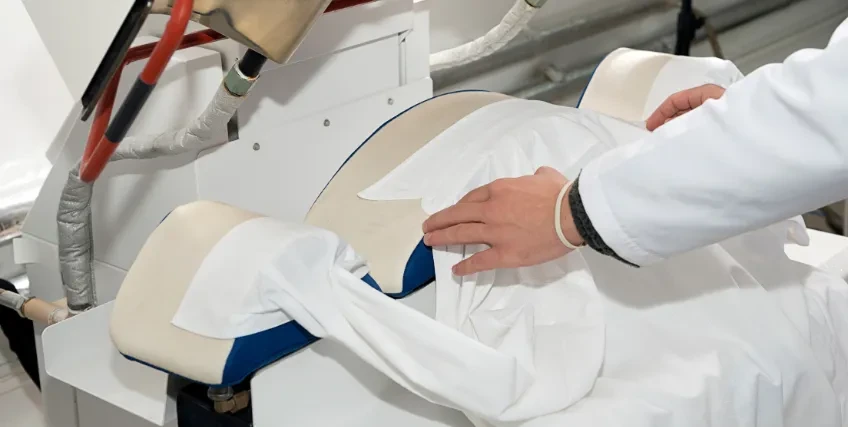
Modern finishing equipment drastically reduces labor time, which has a significant impact on your bottom line. Items like automated shirt units, high-volume pressers and form finishers, and tunnel finishers can significantly streamline your operations so you can serve more customers, faster.
Dry cleaning equipment financing can help businesses upgrade specific cleaning and pressing equipment. Cleaning business loans may go even further to support technology investments, like boilers and compressors to cut utilities costs. Modern point-of-sale (POS) and automation software may also be leveraged to improve service and reduce instances of lost items.
Dry Cleaning Equipment Financing Options
Few dry cleaners can afford to pay cash upfront for essential upgrades, so they have to be borrowers instead. There are several dry cleaning equipment financing options that can offset the costs over time.
Equipment Loans
The most common form of dry cleaning equipment financing is an equipment loan. In this arrangement, a bank or alternative lender buys the equipment outright for the business, which repays the borrowed amount over a designated loan term, with a fixed interest rate. Usually, the equipment itself serves as the collateral for the loan, and the financing is structured as a secured term loan.
Since the loan is secured by the asset (the machine), it often features lower interest rates than unsecured business loans. Once the loan is paid off, you own the equipment outright.
Equipment Leasing
Leasing options are a popular alternative for equipment that has a high depreciation rate or requires frequent upgrades. In this arrangement, the financing company buys the equipment and rents it to you for a fixed monthly fee over a fixed term. The most common types of leasing are:
Capital lease: Structured like a loan, where the dry cleaner essentially buys the asset over time and usually has a buyout option at the end of the term.
Operating lease: The equipment is treated like a rental. You make monthly payments as an operating expense. At the end of the term, you can return the equipment, renew the lease, or buy it at fair market value.
Dry cleaning equipment financing through leasing requires much less money upfront, preserving cash for working capital. Plus, you can upgrade to newer technology every few years. However, the short-term payments are likely higher than the overall cost if the borrower were to use a traditional equipment loan.
Business Lines of Credit
While a line of credit is usually a financing vehicle for smaller purchases, it can be useful for maintenance costs or minor equipment upgrades. With a line of credit, a business is approved for a maximum loan amount that you can borrow from as needed. The borrower only pays interest on the amount borrowed, and as a revolving credit facility, they regain access to the maximum amount again after repayment.
A line of credit can be a flexible laundry equipment financing option for smaller purchases or regular maintenance.
Tips for Securing Dry Cleaning Equipment Financing
The dry cleaning industry is unique, with a cyclical payment structure and frequent equipment upgrade and innovation demands. Getting dry cleaning equipment financing shouldn’t be difficult for business owners with strong credit, but the following tips may help secure favorable terms:
-
Work with industry-specific lenders: Many finance companies specialize in laundry and dry cleaning equipment. They understand the true resale value of the machinery, the industry's seasonality, and the importance of a quick approval process. Working with them can provide an expedited approval process and more flexible terms that take industry operations into consideration.
-
Factor in installation costs: You’re not just paying for the equipment itself. Remember to include delivery, installation, plumbing, electrical work, and permitting fees into the total loan or lease amount. Lenders will typically bundle these ancillary costs into the dry cleaning equipment financing, but it’s important to do your due diligence to understand these costs before you apply.
-
Provide proof of ROI: It’s always a good idea to include a business plan when you apply for funding. Rather than just stating the cost of equipment, show a detailed return on investment justification that demonstrates how much more this new machinery will generate in monthly revenue.
-
Preserve working capital: Consider a financing option that minimizes the upfront payment, like an operating lease. Dry cleaners can run on tight margins, so keeping your cash reserves liquid can give you a buffer to cover other costs after making a major purchase. Effective dry cleaning equipment financing should support, not drain, your cash flow.
-
Utilize tax deductions: Work with a CPA to maximize the use of accelerated depreciation rules and Section 179 deductions. These deductions can significantly lower the effective after-tax cost of dry cleaning equipment financing.
Final Thoughts
Dry cleaning services have to deliver outstanding service while maintaining a strong commitment to environmental compliance standards. That means continually investing in high-efficiency, eco-friendly equipment. Dry cleaning equipment financing can support these ongoing, evolving needs. By leveraging tailored financing solutions, from operating leases , businesses can get the machinery they need to reduce costs and guarantee compliance, without cutting too deeply into working capital.
Loans for Dry Cleaners Articles

Why Dry Cleaning Businesses Are Turning to Financing: Equipment Upgrades, Sustainability & Growth
Dry Cleaning Equipment Financing: How Modern Cleaners Upgrade Without Heavy Upfront Costs
Cleaning Business Loans: Funding Options to Grow Residential or Commercial Cleaning Services
FAQs About Dry Cleaning Equipment Financing
1. Is it better to lease or buy dry cleaning equipment?
It depends on your long-term strategy and the type of equipment. Leasing may be better for high-tech, expensive equipment that you’ll likely need to upgrade every few years to keep up with changing regulations and efficiency standards. Buying is often more cost-effective for long-life assets, such as boilers or compressors, since you build equity and pay a lower interest rate over the asset's life.
2. How does the age of the equipment affect the financing terms?
Lenders are usually more reluctant to finance old equipment because there’s a higher risk of breakdown, and the resale value is lower. It’s more likely that you’ll default on the loan and the collateral will be worthless. Dry cleaning equipment financing is mostly available for new or late-model used equipment.
3. How much money do I need for a down payment for dry cleaning equipment financing?
Some lenders may offer 100% financing or require only the first and last month’s payment upfront if you’re a strong applicant purchasing new equipment. However, terms vary between lenders, equipment, and the type of financing. Generally speaking, lower-cost financing options typically require larger down payments.
4.Can I finance the installation and delivery costs?
You can typically include soft costs like delivery and installation into the total cost of the loan. That way, you can use your dry cleaning equipment financing to set up a completely operational system without tapping into working capital too deeply.
5. What is the average term length for dry cleaning equipment loans?
Business equipment financing terms typically vary. This aligns with the expected revenue-generating lifespan of most machinery. Longer terms usually mean lower monthly payments, but a greater overall cost of the loan.