Delivery Loan Guide:
Tips to Get Financing for Delivery Business
Looking for Business Financing?
Apply now for flexible business financing. Biz2Credit offers term loans, revenue-based financing, lines of credit, and commercial real estate loans to qualified businesses.
Set up a Biz2Credit account and apply for business financing


Today, running a delivery business needs more than a vehicle and a mobile delivery app. Various factors, including fuel costs, vehicle repairs, new equipment, and hiring can strain cash flow. Further, the United States same day delivery market size is USD 9.86 billion in 2025, as per Mordor Intelligence. This market segment is further "projected to reach USD 13.15 billion in 2030, registering a 5.94% CAGR over 2025-2030, as measured in value terms." This growth can be traced back to the instant gratification needs of consumers in the present scenario. Thus, a delivery loan can help manage daily operations, expand routes/locations, and grow your business without slowing down, in this evolving market landscape.
In the U.S., delivery loans for businesses are typically segmented under general small business financing options, such as SBA loans, equipment financing or commercial auto loans, term loans, business lines of credit, and invoice financing. A good financing option depends on the specific needs of a business, such as purchasing vehicles, managing cash flow, or funding startup costs. This guide explains how a delivery loan works, who qualifies, the top financing structures, how to apply, and how to use funds effectively to maximize Return on Investment (ROI).
Why Delivery Loan Matters for Growth
Across the U.S., a delivery loan gives business owners the financial base to keep up with market demands and stay ahead of competitors. As fuel prices and labor costs increase among many other factors, small delivery firms may struggle to maintain or boost their profit margins. Access to cash provides purchasing power, flexibility, and stability, so operations never stall due to lack of funds.
A structured delivery loan can support the cash flow of a business, reduce operational hiccups, and empower businesses to seize opportunities, such as new delivery routes, bulk equipment purchases, or contract renewal. Without timely financing, many small delivery service operators risk turning down new clients or failing to meet service expectations, especially during rush periods.
Who Needs a Delivery Loan
Applicants for delivery business loans, usually range from small startups and owner-operators to larger regional courier companies, including the specialized ones. In general, delivery loan eligibility is based on the stability of the business, steady revenue, and a clear business plan, not specifically on personal credit scores, though a good personal credit score may help in getting better terms.
Types of Delivery Loans for Small Businesses
Delivery businesses in the U.S. can access multiple options related delivery service business loan options, that fall under traditional small business financing. The chosen structure depends on a business' credit profile, business stage, and the purpose behind seeking funding. Here are some of the commonly preferred working capital loans for delivery services:
SBA Loans
Backed by the US Small Business Administration, SBA 7(a) and SBA 504 loans are among the most cost-effective long-term funding options for delivery companies. SBA loans offer low interest rates, longer repayment terms for qualified applicants, and can be used for working capital, equipment, real estate, and business expansion. Refer to SBA.gov for eligibility criteria.
Equipment Financing and Commercial Auto Loans
These loans are commonly used for purchasing delivery vehicles. Equipment financing allows you to acquire vans, trucks, software, or machinery with the equipment acting as collateral. Commercial auto loans are specialized for vehicle purchases and often provide better terms than standard business loans.
Business Term Loans
A term loan can provide a lump sum for medium to large investments such as fleet expansion, hiring, technology upgrades, or marketing. Depending on credit profile, these loans can be obtained through traditional banks or online lenders.
Business Line of Credit
A revolving credit line can help manage ongoing expenses or seasonal dips. Funds can be drawn as needed, making it ideal for fuel, repairs, and short term projects.
These financing options are considered as delivery service business loans, when worked out on the basis of logistics and transportation needs. If the priority of a business is day to day liquidity, working capital loans may be considered for delivery services, which can support payroll, rent, and recurring costs.
Tips to Apply for a Delivery Loan
To apply for a loan for a delivery business in the U.S., a business must first determine its financing needs and then choose a suitable lender/loan type. The next step involves preparing the required documentation (including a business plan and financial records) before submitting the formal loan application. By preparing thoroughly and choosing the right financing option, businesses can secure the necessary funds to grow. Therefore, to apply for a delivery loan, here are the initial steps, commonly used by applicants:
- Identify Needs: Determine exactly what the funds will be used for (for instance, a single vehicle purchase vs location expansion).
- Assess Creditworthiness: Lenders will check both personal and business credit scores. Aiming for a high credit score qualifies applicants for better rates.
- Prepare a Strong Business Plan: This is especially important for startups; a detailed business plan should include expected revenue growth, market analysis, and how the delivery loan will support growth.
- Gather Necessary Documents: Collecting all required documents, including business licenses/permits, bank statements and tax returns is crucial to build credibility.
- Research and Compare Lenders: Researching and comparing offers by traditional banks, credit unions, SBA-approved lenders, and online alternative lenders is key. This offers a realistic picture of the market, interest rates, fees and repayment schedules.
- Apply and Review Offers: Submission of the loan application needs to be done, only after carefully reviewing all loan offers before accepting the terms and conditions.
How to Use a Delivery Loan for Business Growth
To use a US delivery loan effectively, strategic investment of the secured funds in areas that generate a ROI greater than the borrowing cost, is needed. This may include expanding operations, upgrading technology, or boosting marketing. Here are some of the commonly used applications of a delivery loan for business growth:
- Expand Operations/Locations: The secured financing for delivery business may be used to open new branches, rent larger warehouses, or set up local operations in new geographic areas. This helps expand the brand's footprints while paving a way for long-term growth.
- Invest in Equipment and Technology: Upgrade outdated machines, purchase new delivery vehicles or implement modern software, such as CRM systems, to enhance productivity.
- Build Inventory: After securing working capital loans for delivery services, businesses can stock up on raw products, ahead of seasonal demands. This avoids shortages, meets customer demands, and also helps save money, owing to bulk purchase discounts.
- Strengthen Marketing and Branding: With a delivery loan, businesses may be able to fund high-scale digital marketing campaigns, advertising, or a website upgrade. This typically increases brand awareness, attracts new customers and boost sales.
- Hire and Train Talent: With ample funding, the business team can recruit skilled professionals or invest in training programs for existing employees. This improves service quality, increases capacity, and supports scaling operations.
- Improve Supply Chain and Logistics: After securing the needed funds, businesses can streamline the whole logistics processes. This may be carried out by investing in inventory management systems and building stronger supplier relationships.
- Develop New Products/Services: Allocating funds to research and development (R&D) and the full-scale launch of new products/services may be taken up after securing a delivery loan. This diversifies revenue streams and helps catch up with evolving customer demands.
- Manage Cash Flow/Working Capital: Delivery service business loans can bridge cash flow gaps caused by delayed customer payments or seasonal fluctuations. This ensures smooth day-to-day payments, like payroll and rent.
Delivery Loans: Top Practices for Effective Use
- Define Purpose: Before applying, one should have a clear, specific plan for how the funds will be used and how that use will generate returns greater than the loan's cost.
- Comprehensive Business Plan: Make an inclusive business plan that highlights business expansion strategy, financial projections, and risk assessment for the expansion; this will help in securing the loan and making necessary decisions.
- Borrow Only What Is Needed: Refrain from excessive indebtedness. If possible, borrow only the amount that is actually needed to finance your specific, income-generating initiatives.
- Monitor Performance: Continuously track key metrics, including revenue, expenses, cash flow and ROI, to ensure the loan is being used effectively.
- Repayment Plan: A practical repayment schedule is a top priority, aligned with forecast cash flow, to avoid penalties and maintain a favorable credit profile.
- Consult with a Financial Advisor: Work together with a financial professional who can analyze the ability of the business to take on debt and find what will work best.
Best financing solutions are flexible, competitive, and built to support
Opting for the right delivery loan can help borrowers improve cash flow, scale operations, and strengthen long-term profitability. Whether a loan program for fleet expansion or refinancing to secure better loan repayment terms is needed, the key is to choose the right structure. It should align with the needs of a business, growth stage, and long-term financial goals. Strong underwriting and lender due diligence, ensure the loan amount and loan level fits the needs of the venture, while some businesses may also explore capital markets options or whole loan purchases as they grow. The best financing for delivery business solutions are flexible, competitive, and built to support development, from working capital to vehicle acquisition and beyond.
Trusted by Thousands of Small Business Owners in America.**
Simply because we get what you go through to build a business you believe in.
**Disclaimer: All stories are real, as told by real business owners. Customers do not receive monetary compensation for telling their stories.
From One Entrepreneur to Another: We Get You
We understand what's behind building a business you believe in.
All stories are real, as told by real business owners. Customers do not receive monetary compensation for telling their stories.


Delivery Loan Articles

Can’t Keep Up with Orders? A Delivery Loan Might Be the Boost You Need
Consumer demand for instant gratification, next-day shipping, and reliable local courier services has...
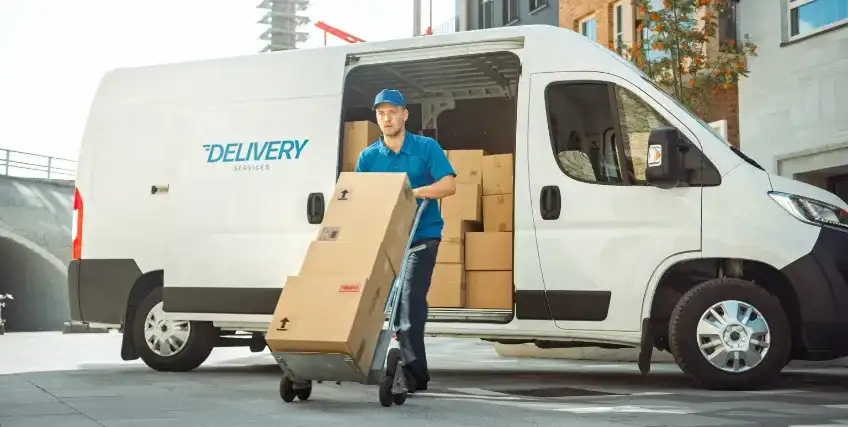
5 Ways to Use a Delivery Loan for Equipment Upgrades and Fleet Maintenance
Delivery businesses in the United States face intense competition and rising operational costs...
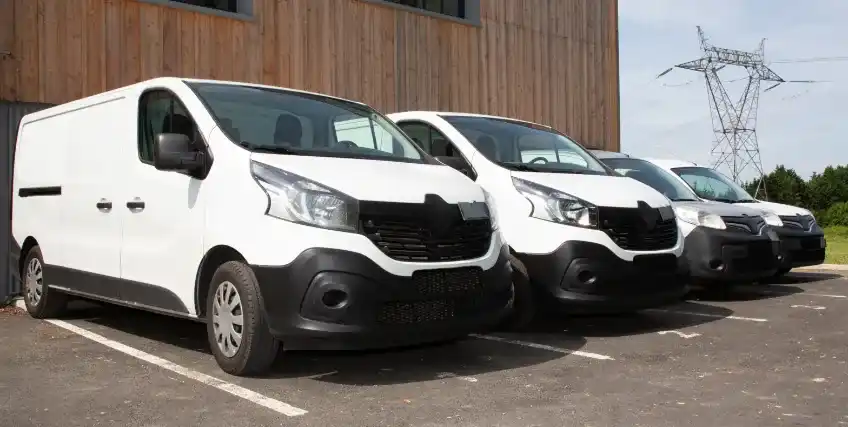
Is a Delivery Loan Worth It for Small Fleet Owners
In today’s competitive market, delivery operations in the United States are under constant...
Frequently Asked Questions Delivery Loan
1. What is a delivery loan and how does it work?
A delivery loan is financing that supports delivery business operations including vehicles, equipment, staffing, and working capital. Funds are repaid over time with interest. Terms vary by lender and loan type.
2. Can startups qualify for a delivery loan?
Startups may need strong credit, collateral, or a solid business plan. SBA loans and equipment financing can be suitable options. Online lenders may provide quicker funding decisions.
3. How much funding can a business get through a delivery loan?
Amounts vary, depending on business revenue, credit profile, and lender. Commercial auto financing limits depend on fleet size and collateral.
4. What credit score is needed for a delivery loan?
A high credit score improves chances of approval with favorable terms. Lower credit scores may still qualify through alternative lenders. Interest rates vary accordingly.
5. Do I need collateral to qualify for a delivery loan?
Not all delivery loans require collateral, but lenders may request it for larger amounts or if the business has limited credit history. Collateral can include vehicles, equipment, or other business assets to secure a delivery loan. Some online and unsecured options are available, although they may come with higher interest rates due to the increased lender risk.
Term Loans are made by Itria Ventures LLC or Cross River Bank, Member FDIC. This is not a deposit product. California residents: Itria Ventures LLC is licensed by the Department of Financial Protection and Innovation. Loans are made or arranged pursuant to California Financing Law License # 60DBO-35839