Explore Non-Repayable Renewable Energy Grants for Small Businesses
July 03, 2026 | Last Updated on: July 03, 2026

Looking for Business Financing?
Apply now for flexible business financing. Biz2Credit offers term loans, revenue-based financing, lines of credit, and commercial real estate loans to qualified businesses.
Set up a Biz2Credit account and apply for business financing.
The country’s climate change challenges call for a massive upgrade to our country’s existing energy systems. From the usage of fossil fuels, the country needs to shift towards renewable energy sources like solar energy, wind energy, biomass, hydropower, and more. The U.S. Department of Energy has already rolled out a National Blueprint for Decarbonization to deal with the climate change problem and realize its goal for net-zero carbon emissions.
You may also like: Energy Project Financing
However, government efforts alone aren’t enough. Entrepreneurs collectively will need to start updating renewable energy and adapt smart energy technologies to ensure a sustainable future. As a push to entrepreneurs and small business owners, government launches various funding programs and plans quite often. Apart from the federal government, state governments, non-profit organizations, and some unions also issue renewable energy grants to build a strong but green energy sector.
In this article, let’s discover some reliable renewable & green energy grants for small businesses, along with tips to apply for these grants and alternative funding options.
Key Renewable Energy Grant Options You Should Be Aware Of
Renewable energy startups dedicated to providing clean energy supply, building green products, and creating lasting environmental impacts can apply for various renewable energy grants in 2026:
Department of Energy (DOE) SBIR/STTR Grants
Advanced Research Projects Agency - Energy (ARPA-E)
USDA Rural Energy for America Program (REAP)
State Clean Energy Programs
EPA Environmental Technology Programs
A part of America’s seed fund, SBIR (Small Business Innovation Research) and STTR (Small Business Technology Transfer) grants can be used for innovating energy infrastructure. These grants are offered by several federal agencies for research and development of new technologies. Small businesses with ideas related to wind energy, solar energy, energy storage, grid modernization, EVs, geothermal energy, and more can apply for these grants. The grants are disbursed in different phases that you can check out on SBIR’s official website.
Innovative technology is always risky, but the research is necessary. It’s difficult to tell if the technology will succeed or fail without trying. ARPA-E often provides grants and funding for such high-risk research. To even qualify for renewable energy grants under ARPA-E, you need breakthrough ideas with realistic timelines. As the agency already understands the associated risk, there are chances of securing a higher award amount.
REAP offers both grants and loan guarantees to build renewable energy sources in rural setups. If you are a rural small businesses interested in setting up wind or solar power plants, geothermal plants and other types of energy efficiency systems, you might be able to qualify for their requirements. REAP’s renewable energy grants include an award amount of up to $1 million and cover up to 50% of project costs. Energy efficiency grants have a max amount of $500,000 (up to 50% of project cost). You may also rely on USDA eligibility tool to find if you qualify for these grants.
As stated above, along with Federal government, state governments timely launch renewable energy grant programs for small businesses. You can use these funds to invest in solar technology, heat pumps, wind turbines, energy storage systems, and more. To find your local government’s clean energy program, you should check out DSIRE (Database of State Incentives for Renewables & Efficiency) database. This portal offers the most up-to-date listings for state programs and can help you find several other initiatives as well.
The Environmental Protection Agency also offers renewable & green energy grants to small businesses for the development of technologies focusing on environmental and pollution prevention. Their renewable energy projects must be focused on these goals to be able to qualify for EPA programs. These technologies can be based on solar power, wind power, EVs, biomass, or other natural resources. Even small businesses focusing on water treatment and monitoring may also qualify.
Also Read: EV Grants for Businesses
Benefits of Renewable Energy Grants
Applying for business grants over loan programs comes with several benefits. Especially when there are so many grants available for utilizing renewable energy resources, it makes sense to prefer them over other funding options.
Non-Repayable Funding: Grants are one of the most popular forms of non-repayable funding. They remove financial barriers to entry and also the repayment burden.
Widely Accessible: Renewable energy grants are widely accessible to various types of businesses. From tech-based startups and research institutes to public institutions and private researchers, all can opt for such grants.
Accelerate ROI for Business Owners: By partially sponsoring renewable projects like solar panels, power plants, onshore and offshore wind turbines, biofuel implementations, and more, renewable energy grants accelerate returns for business owners.
De-Risk Innovation: Renewable energy grants give confidence to business owners for researching and deploying latest technologies. Since the capital expenditure remains subsidized, small businesses can innovate without any catastrophic risks.
Tips to Apply for Green Energy Grants
Get your UEI Number
Get an Energy Audit
Align Your Narrative with the Grantor's Core Mission
Double-Check all Pre-Award Rules
Co-Apply with a Partner
Before applying, you will need to get a Unique Entity Identifier (UEI) from SAM.gov. Without this number, it is not possible to apply, and registration may take weeks. Obtain an UEI number is free of cost, so you don’t need to pay anything.
Grant reviewers aren’t impressed by just proposals. They need to see verified numbers and potential in your ideas. Get a professional energy audit, such as ASHRAE Level 1 or 2 for energy efficiency reports. You’ll also need a technical report for power generation facilities.
Renewable energy grants often focus on specific problem areas. For example, if the grant is from an environmental agency, they might be focusing on businesses focusing on greenhouse gas reduction and reducing water pollution. Make sure your application highlights their vision.
Application mistakes happen when business owners sign contracts and source equipment without verifying the requirements. Many times, the money you spend before the grant is ineligible for a rebate, and especially for that equipment that aren’t certified by an authorized body.
Executing innovative ideas when it comes to renewable energy sources often requires strategic partnerships. These partnerships give a shape to your idea and bring it to life. Applying together significantly helps grantors understand your vision, feasibility, and progress.
Alternate Funding Options to Renewable Energy Grants
Explore these flexible financing alternatives if funding programs fit poorly.
Property Assessed Clean Energy Loans
On-Bill Financing
Unsecured Green Loans
Local governments back this specific financing structure for commercial and residential properties. You pay back the borrowed installation capital through an assessment on your regular property tax bill. The debt ties directly to your building rather than your credit history. You may transfer the remaining balance to the next owner if you sell.
Electric utility companies manage this convenient funding setup for upgrading your building infrastructure. The utility provider covers your equipment costs initially. You repay the balance through small additions to your monthly electricity statement. Your energy savings from the new hardware might completely offset these recurring monthly bill payments.
Banks and credit unions offer specialized financing for rapid project deployment. These loans require no property collateral, which speeds up the approval timeline. You might face higher interest rates compared to secured options.
Also Read: Tips to Secure Funding for Your New Renewable Energy Business
Conclusion
Securing renewable energy grants helps lower your initial capital hurdles during clean energy transitions. These funding programs directly support local economic development by funding infrastructure upgrades. Your facility benefits from lowered monthly energy use through modern equipment installations. Government programs regularly fund diverse technologies including bioenergy setups and commercial solar arrays. These financial injections make clean electricity generation affordable for businesses and communities. You may find that pairing these awards with tax credits creates the most affordable path forward for your upcoming facility improvements.
Green Energy Financing Articles
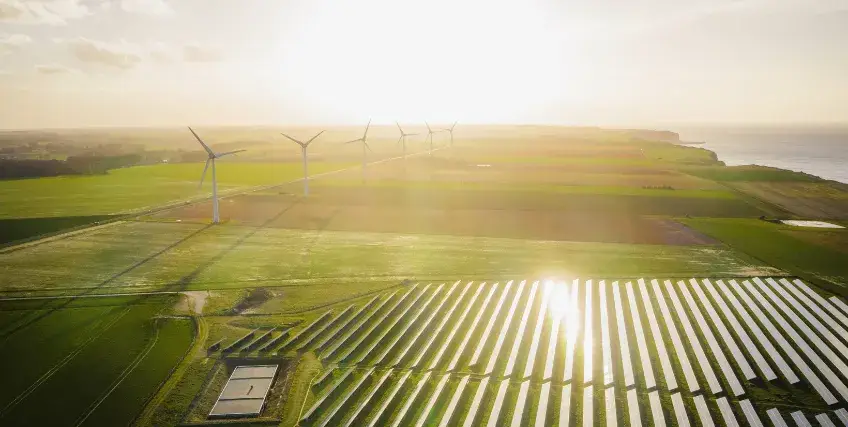
What are Clean Energy Financing Option for Businesses

How Businesses Can Use Renewable Energy Finance to Increase Asset Value
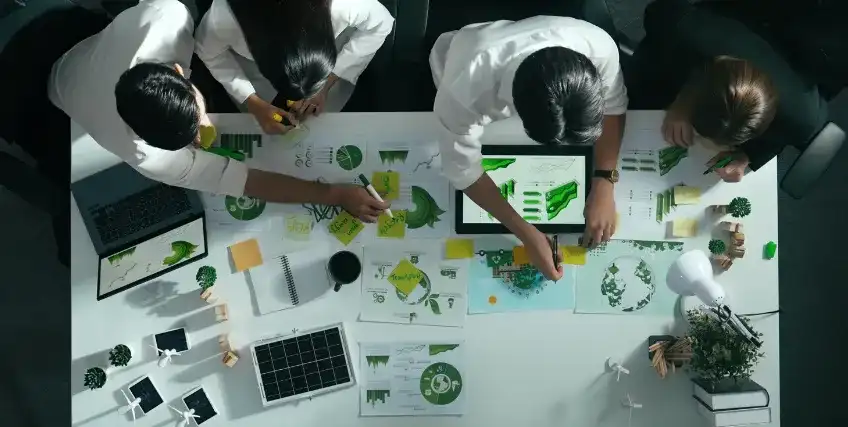
Green and Sustainable Finance Solutions for Growing U.S. Businesses
FAQs about Renewable Energy Grants
1. Who qualifies for these funding programs?
Eligibility depends on the specific funding agency guidelines. Non-profit groups, small businesses, and agricultural operations frequently qualify for federal selections. Check the active guidelines to confirm your specific business category matches.
2. Do I need to pay back the money?
You do not repay grant funds if you follow all compliance requirements. Recipients must spend the capital on approved equipment and installation services. You may face repayment penalties if you mismanage the funds. Always document your project expenses to prove your program compliance.
3. Can I combine awards with other incentives?
You might stack these funding options with local tax credits to maximize your total savings, but discuss this with a tax consultant. Some programs forbid using multiple federal funding sources for one project. Review the specific rules for each target award. Combining offers reduces your out-of-pocket project costs.
4. What equipment can renewable energy grants buy?
Programs fund varied technologies including wind turbines, solar panels, and systems focused on biodiesel production. You may purchase energy storage batteries if they connect to your main generation hardware. Review the approved equipment list before signing contractor agreements for your facility.
5. How long does the renewable energy funding application process take?
Review periods stretch from three to nine months depending on agency backlogs. You must submit your paperwork well before starting your construction work. Bureaucratic delays might push your expected start date back. Plan your project timeline with these long wait periods in mind.
Frequent searches leading to this page
Term Loans are made by Itria Ventures LLC or Cross River Bank, Member FDIC. This is not a deposit product. California residents: Itria Ventures LLC is licensed by the Department of Financial Protection and Innovation. Loans are made or arranged pursuant to California Financing Law License # 60DBO-35839