What are Clean Energy Financing Option for Businesses
August 14, 2026 | Last Updated on: August 14, 2026

Looking for Business Financing?
Apply now for flexible business financing. Biz2Credit offers term loans, revenue-based financing, lines of credit, and commercial real estate loans to qualified businesses.
Set up a Biz2Credit account and apply for business financing.
Clean energy investments are growing as businesses, governments, and investors work to reduce carbon emissions, strengthen energy security, and meet sustainability goals. According to the International Energy Agency (IEA), global clean energy investment must reach approximately USD 4 trillion annually by 2030 to keep climate targets within reach.
However, securing the clean energy financing remains one of the challenges for businesses looking to develop renewable energy, energy storage, and other low-carbon projects.
There are a range of renewable energy funding sources that are making clean energy projects more accessible and financially viable. From green loans and government-backed loan programs to equipment financing, businesses now have multiple ways to fund their clean energy initiatives.
We will talk about:
- What is Clean Energy?
- What funding options are available for renewable energy projects?
- What are clean energy financing requirements?
What Is Clean Energy?
Clean energy refers to energy sources and technologies that produce little to no greenhouse gas emissions and help reduce environmental impact. These technologies support the transition to a more sustainable and low-carbon energy system.
Examples of clean energy technologies include solar power, onshore and offshore wind energy, battery and fuel-cell energy storage systems, carbon capture solutions, wave energy, geothermal energy, heat pumps, and advanced energy-efficiency technologies.
The category also covers innovative solutions such as non-combustion waste-to-energy technologies, water conservation technologies, carbon-reducing materials, nuclear energy, and advanced recycling processes. In addition, companies that manufacture clean energy equipment, components, or advanced technologies are considered part of the clean energy ecosystem.
Some of the Best Clean Energy Financing Solutions in 2026
| Financing Option | Known For | Pros | Cons |
|---|---|---|---|
| Green Loans | SMBs, commercial property owners, renewable energy developers | Competitive interest rates, purpose-built for sustainability projects, predictable repayment terms | May require strong credit and project documentation |
| Government-Backed Clean Energy Loans | Large-scale renewable energy projects, clean tech startups, manufacturers | Lower borrowing costs, longer repayment periods, access to substantial funding | Lengthy application and approval processes, strict eligibility requirements |
| Green Banks | Businesses seeking renewable energy or energy-efficiency financing | Flexible financing structures, helps attract private investment | Availability varies by state and region |
| PACE Financing | Commercial real estate owners, industrial facilities, multifamily properties | Long repayment terms, little to no upfront capital required, repayment tied to property taxes | Limited to eligible properties and jurisdictions |
| On-Bill Financing | Small businesses and commercial facilities | Convenient repayment through utility bills, energy savings can offset payments | Program availability depends on utility providers and location |
| Green Bonds | Large corporations, utilities, infrastructure developers | Access to large-scale capital, supports major sustainability initiatives | Generally unsuitable for small businesses due to issuance complexity and costs |
| Equipment Financing & Leasing | SMEs, and growing clean energy businesses | Preserves working capital, fast approval process | Financing is limited to equipment purchases |
Quick Takeaway: Green loans, equipment financing, and on-bill financing are often the best fit for smaller clean energy projects. PACE financing and green banks provide flexible options for commercial property improvements, while government-backed loans and green bonds are generally better suited for large-scale renewable energy and infrastructure projects. Traditional bank loans and private credit can complement these options depending on funding speed, project complexity, and eligibility.
Green Loans
- Small and medium-sized businesses (SMBs)
- Commercial property owners
- Renewable energy developers
- Manufacturers investing in sustainable operations
Government-Backed Clean Energy Loans
- State energy financing initiatives
- Large-scale renewable energy developers
- Clean technology manufacturers
- Energy infrastructure projects
- Startups seeking clean energy funding
Green Banks
- Connecticut Green Bank
- New York Green Bank
- DC Green Bank
- Businesses seeking renewable energy financing
- Community solar projects
- Commercial building owners
- Energy-efficiency upgrades
Property Assessed Clean Energy (PACE) Financing
- Solar panel installations
- Energy-efficient HVAC systems
- Lighting upgrades
- Building electrification projects
- Commercial real estate owners
- Industrial facilities
- Multifamily property developers
On-Bill Financing
- Energy-efficient equipment
- HVAC upgrades
- Solar installations
- Building retrofits
- Small businesses
- Commercial facilities
- Organizations seeking predictable repayment structures
Green Bonds
- Wind and solar farms
- Battery storage facilities
- Sustainable transport infrastructure
- Grid modernization projects
- Large corporations
- Utilities
- Infrastructure developers
- Institutional investors
Equipment Financing and Leasing
Green loans are financing products designed to support environmentally sustainable projects, such as solar installations, energy-efficient building upgrades, battery storage systems, and other renewable energy initiatives. Businesses can use these loans to fund clean energy projects while benefiting from competitive interest rates and flexible repayment terms.
Best suited for:
Key advantage: Lower upfront costs and dedicated financing for sustainability-focused projects.
Government-backed loan programs help businesses access capital for clean energy projects through direct loans, loan guarantees, and co-financing arrangements. These programs offer Clean Energy Financing by the US Department of Energy to accelerate clean energy adoption while reducing financial risk for lenders.
Examples include:
Best suited for:
Key advantage: Access to substantial funding, lower borrowing costs, and longer repayment periods.
Green banks are specialized financial institutions that use public and private capital to support clean energy and energy-efficiency projects. Rather than providing grants, they typically offer loans, credit enhancements, and other financing solutions that encourage private sector investment.
Examples include:
Best suited for:
Key advantage: Makes clean energy investments more accessible by reducing financing barriers.
PACE financing enables commercial property owners to fund clean energy, energy efficiency, and resilience improvements through long-term financing that is repaid via property tax assessments. This structure minimizes upfront costs and aligns repayment with the useful life of the improvements.
Eligible projects often include:
Best suited for:
Key advantage: Long repayment terms and minimal initial capital requirements.
On-bill financing allows businesses and property owners to repay clean energy loans directly through their monthly utility bills. This approach helps spread project costs over time while often allowing energy savings to offset a portion of the repayment amount.
Common uses include:
Best suited for:
Key advantage: Convenient repayment tied directly to energy usage.
Green bonds are debt instruments used to raise capital exclusively for environmentally beneficial projects. Governments, corporations, utilities, and financial institutions issue green bonds to fund renewable energy, sustainable infrastructure, energy efficiency, and climate-focused initiatives.
Projects financed may include:
Best suited for:
Key advantage: Access to large-scale funding for major sustainability projects.
Equipment financing allows businesses to purchase clean energy equipment through loans, while leasing enables companies to use equipment without owning it outright. This option helps spread costs over time and preserves working capital.
Financed equipment may include:
- Solar panels
- Battery storage systems
- EV charging infrastructure
- Energy-efficient machinery
- Heat pumps
Best suited for:
- SMEs
- Manufacturers
- Commercial property owners
- Growing clean energy businesses
Key advantage: Faster access to essential equipment without major upfront investment.
While all these solutions support clean energy adoption, the right choice depends on project size and funding needs. Green loans, equipment financing, and on-bill financing are often ideal for smaller projects, whereas government-backed loans and green bonds are better suited for larger commercial and utility-scale initiatives.
Green banks and PACE financing provide additional options for organizations seeking flexible, long-term funding.
Clean Energy Financing Requirements
Obtaining clean energy financing often requires businesses to meet stringent technical, financial, and regulatory requirements.
While requirements vary by lender and program, most financing providers evaluate factors such as project performance, expected environmental benefits, repayment capacity, and overall risk.
Common requirements may include:
- A detailed project plan outlining objectives, costs, and expected outcomes
- Financial statements and evidence of repayment ability
- Technical assessments proving the project's feasibility
- Compliance with local, state, and federal regulations
- Environmental impact documentation, where applicable
- Proof of permits, approvals, or site ownership rights
- Eligibility verification for government-backed financing programs
Meeting these requirements can improve an organization's chances of securing funding and help ensure the long-term success of its clean energy investment.
Key Factors to Consider Before Choosing a Clean Energy Financing Solution
Project Size and Scope: The size and complexity of your project can determine the most suitable financing option. Smaller projects like energy-efficiency upgrades may qualify for loans or leasing programs, while large-scale renewable energy developments often require government-backed financing.
Capital Requirements: Evaluate how much funding your project needs. Some financing solutions are designed for projects requiring a few thousand dollars, while others can provide millions for utility-scale energy infrastructure and manufacturing facilities.
Repayment Terms: Different financing options come with varying repayment periods. Longer repayment terms can reduce monthly payments and improve cash flow.
Interest Rates and Financing Costs: Compare interest rates, fees, and other borrowing costs before selecting a financing solution.
Eligibility Requirements: Many clean energy financing programs have specific eligibility criteria related to project type, business size, location, technology used, or environmental impact. Understanding these requirements can help you identify programs your project qualifies for
Risk Profile and Expected Returns: Consider the financial risks and potential returns associated with the project.
The Rise of Private Credit
In 2026, private debt funds have become the preferred clean energy financing option for middle-market developers and innovative tech stacks. Private credit fills the gaps that traditional renewable energy funding sources leave behind. Why is private credit winning a larger share of clean energy financing?
Speed to Market: Private lenders can move from term sheet to renewable energy funding in weeks, not months.
Flexible Terms: Unlike banks, private credit providers of clean energy financing can structure "interest- only" periods or payment-in-kind (PIK) options that match the project's cash flow.
Risk Tolerance: For funding for renewable energy projects involving emerging technologies like long-duration energy storage (LDES) or green hydrogen, private credit is often the only game in town.
While the interest rates for this type of clean energy financing are higher, the "certainty of execution" makes it an attractive renewable energy funding option for high-growth companies.
Key Takeaway: Clean Energy Financing Solution for Businesses
So, what is the best clean energy financing in 2026? The answer is: it depends on your timeline, cash flow, and your risk profile.
The best clean energy financing option in 2026 depends on your project goals, budget, timeline, and capital requirements. Businesses have numerous funding choices ranging from green loans and equipment financing to government-backed programs, PACE financing, green banks, and green bonds.
For smaller projects such as solar installations, energy-efficient equipment upgrades, or building retrofits, green loans, equipment financing, and on-bill financing can provide affordable access to capital with manageable repayment terms. Larger renewable energy developments and infrastructure projects may benefit from government-backed loans, green banks, or green bonds that offer access to substantial funding and longer repayment periods.
The key is to match the financing solution to your project's size, cash flow, and long-term sustainability goals. By evaluating multiple funding sources and understanding the advantages of each, businesses can reduce upfront costs, accelerate clean energy adoption, and invest confidently in a more sustainable future.
Green Energy Financing Articles
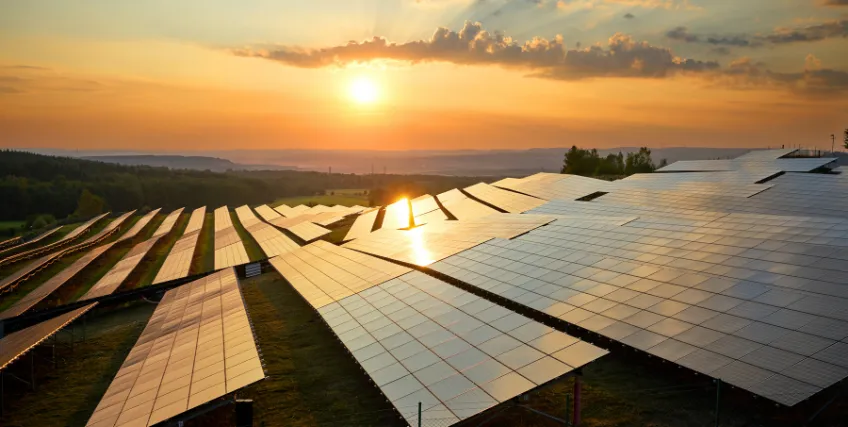
How Commercial Solar Financing Companies Help Businesses Beat Rising Utility Costs
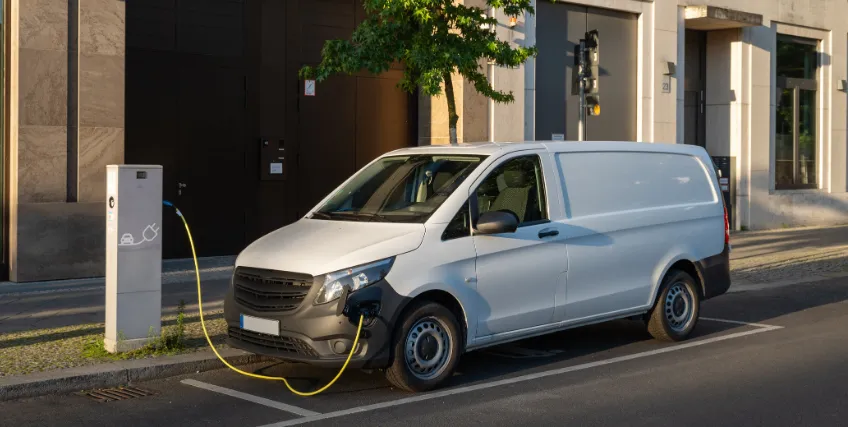
Sustainable Logistics: Using a Green Energy Grant to Finance Fleet EV Upgrades

How Green Finance Can Help Your Business Qualify for Better Loan Opportunities
FAQs about Clean Energy Financing
1. What is Clean Energy Financing?
Clean energy finance means the financial instruments and financing programs available for growing and expanding clean energy technologies and initiatives.
2. Which option is better for funding for renewable energy projects?
It depends on your collateral and timeline. If you have a long-term PPA (Power Purchase Agreement) with a high-credit partner, a traditional bank will likely offer the most cost-effective term loan. However, if you are a first-time investor who needs to move quickly to secure a site, private credit provides the flexibility to close the deal.