Poultry Farming for Beginners: Tips to Secure a Loan to Start Your Poultry Business
April 29, 2026 | Last Updated on: April 29, 2026

By Anjali Patel
Key Takeaways
- Poultry farming for beginners provides profitable opportunities for small and large-scale chicken farms.
- Poultry farm loans help farmers and ranchers cover essential costs for setting up a chicken coop, purchasing chicks, and feed.
- Poultry farming beginners can choose between small-scale or large-scale operations based on resources.
- Also, having a strong business plan increases chances of poultry farm loan approval.
Poultry farming presents strong opportunities for small farm owners in the U.S. The demand for chicken meat, chicken eggs, and other poultry products remains steady. However, poultry farming beginners often many faces critical challenges. One of the most important challenges beginners' faces is access to sufficient funds to establish their farm business.
Capital plays a significant role in setting up a chicken farm. It covers construction of chicken houses, purchasing day-old chicks, feeders, waterers, and other poultry farming equipment for beginners. Poultry farm loans provide financial assistance to support these day-to-day tasks, launch operations, and expand sustainably.
This article explains how poultry farm beginners can secure poultry farm loans & grants to start their business. It also highlights practical tips, methods to use funds effectively, and strategies to ensure successful poultry business.
Understanding Poultry Farming for Beginners
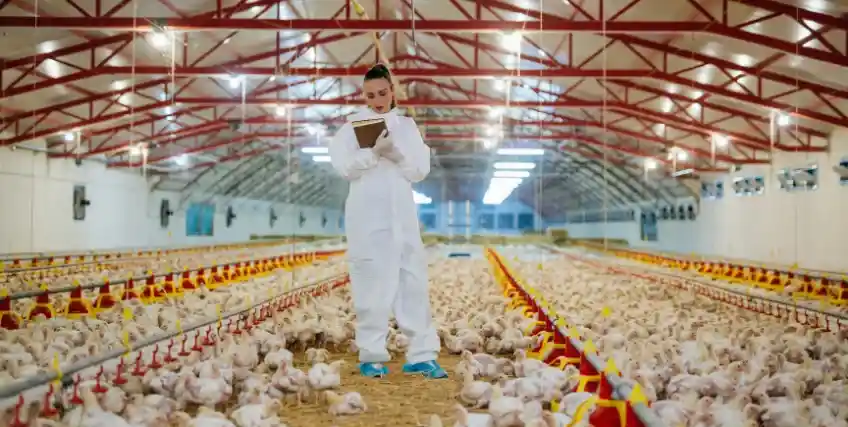
Poultry farming for beginners involves raising chickens for meat production and egg production. Beginners can focus on broilers for chicken meat or laying hens for egg-laying. Moreover, some ranchers and farmers can also adopt a mixed approach. This can help them diversify income and meet market demand for free-range or backyard chickens.
Here are several key elements required to start a poultry farming business for beginners:
- Chicken houses and coops: Having proper facilities protect broiler chickens and laying hens from diseases and predators.
- Chicken breeds: Beginners can keep popular breeds like Leghorn that excel in egg production and broilers that grow fast for meat production.
- Feeders and waterers: These ensure that adequate nutrition and hydration is given for day-old chicks and older chickens.
- Perches and incubators: Perches and incubators support egg-laying and hatching processes.
- Vaccination and supplements: Vaccines and supplements are also required to protect the flock from common poultry diseases.
Therefore, poultry farming beginners can start with small-scale farms or backyard flocks to reduce risks and gain experience over time. Because large-scale farms require multiple chicken coops, hatcheries, and equipment to support higher production. Also, free-range chickens provide an added market advantage as many consumers prefer ethically raised poultry products.
According to USDA reports, the U.S. poultry sector sales were recorded $70.2 billion in 2024 from $67.4 billion in 2023. Hence, this statistic demonstrates the industry’s potential for newcomers.
Why Financing Matters for a Poultry Business
Starting a small chicken farm requires more capital than personal savings often provide. Beginning farmers can use business loans, grants, or a combination of both to cover initial costs and operational expenses.
Here’s why financing matters for a poultry business:
- Chicken houses and coops: Funds can be used to develop chicken houses and coops to protect birds and maintain health.
- Day-old chicks or breeders: Poultry farming beginners can use business loans to establish the initial flock for meat production or egg-laying.
- Feed, supplements, and chicken feed: Poultry farm loans can help beginners purchase feed and supplements to maintain proper growth and egg-laying rates.
- Poultry farming equipment for beginners: Funds are required to purchase necessary farming equipment like incubators, feeders, waterers, and temperature control systems.
- Vaccination and veterinary care: Loans can offer sufficient funds to support vaccination and veterinary care, protecting flocks from diseases.
- Labor and utilities: Also, having adequate working capital helps maintain consistent daily operations including labor costs and utilities.
The Bottom Line: Poultry farming beginners can consider financing options that allow them to focus on raising chickens, managing egg production, and maintaining free-range or small-scale poultry efficiently. Also, financial tools help reduce cash flow stress and ensures uninterrupted operations.
Types of Loans for Poultry Farming Beginners
Poultry farming beginners can choose from a wide range of financing options to start or expand their farm business. However, choosing the right loan option depends on your farm size, financial profile, and production goals. So, it’s better to have a proper loan planning to ensure your farm grows sustainably while maintaining financial stability.
Here are some of the different types of loan options for poultry farming beginners:
1. SBA Loans
SBA loans are backed by the U.S. Small Business Administration and are one of the best options or beginners. These loans often come with lower interest rates and longer repayment periods for qualified applicants. These SBA loans can support small-scale and large-scale poultry farmers.
Poultry Farming Usage: SBA loans can be used to cover the costs of chicken houses, day-old chicks, feeders, and incubators. Also, these loans can be used to purchase necessary equipment.
2. Term Loans
Term loans are traditional bank loans offering a fixed lump sum loan amount upfront. They typically come with fixed interest rates and a fixed repayment structure. These loans are suitable for both new and established farms.
Poultry Farming Usage: Term loans are ideal for large one-time investment. They can be used for covering large startup costs, including construction of chicken coops, purchase of broilers, or laying hens.
3. Microloans
Microloans are one of the best financing options for small-scale poultry farmers and backyard poultry owners. These loans require minimal documentation, making them ideal for first-time poultry farmers who may not have extensive financial records.
Poultry Farming Usage: Microloans can be used by poultry farming beginners to cover wide range of essential farm expenses. These include purchasing day-old chicks, high-quality chicken feed, supplements, and vaccination programs.
4. Cooperative Loans
Cooperative loans come from community lenders or agriculture cooperatives that focus on supporting local poultry farmers. These loans often provide flexible terms, lower interest rates, and repayment options tailored to the needs of poultry farming beginners. Beyond financing, these programs often include technical guidance on farm operations, such as raising chickens, managing chicken coops, and optimizing egg-laying rates.
Poultry Farming Usage: Cooperative loans support small-scale and free-range poultry operations. These loans help poultry farmers purchase chicken breeds suited for meat production or egg-laying. Also, funds can be used to cover day-old chicks, incubation setups, vaccination programs, and supplements.
5. Poultry Farming Loans
Poultry farming loans are designed exclusively for poultry businesses. These loans cater to farmers of all sizes, from small-scale backyard poultry setups to large-scale commercial chicken farms. These loans provide funding for various purposes, including construction and business operations.
Poultry Farming Usage: Poultry farm loans can be used for constructing chicken houses, purchasing day-old chicks, raising broiler chickens, and acquiring laying hens for consistent egg production.
6. Equipment Financing
Equipment financing is a funding option that can be used to purchase necessary business equipment. Instead of paying upfront for the equipment, poultry farmers can pay in easy monthly payments. Also, the equipment itself serves as collateral, reducing risk for the lenders.
Poultry Farming Usage: Equipment financing can be used to upgrade chicken coops, implement automated feeding and watering systems, or expand hatcheries. Small-scale poultry farmers can also benefit by setting up free-range systems or backyard flocks more efficiently.
Step-by-Step Guide to Apply For A Poultry Farm Loan
Here’s a step-by-step guide for poultry farming beginners to apply for poultry farm loans:
Step 1: Prepare a Business Plan
Include production targets, egg-laying schedules, meat production plans, and market analysis. A detailed plan reassures lenders and improves approval chances.
Step 2: Calculate Loan Amount
Assess costs for chicken houses, day-old chicks, chicken feed, incubators, vaccination, and poultry farming equipment for beginners. Include a reserve for emergencies or sudden operational needs.
Step 3: Research Lenders
Compare banks, credit unions, and SBA-approved lenders experienced in agricultural loans. Some lenders specialize in small-scale or large-scale chicken farms.
Step 4: Collect Documentation
Prepare identification, financial records, property documents, and collateral if required. Complete documentation streamlines the application process.
Step 5: Submit Application and Follow Up
Submit a complete application with supporting documents. Monitor progress and respond promptly to queries. Maintain communication to resolve issues efficiently.
The Bottom Line
Poultry farming provides profitable opportunities for small-scale and large-scale chicken farms in the U.S. Access to loans and grants removes financial barriers and allows poultry farming beginners to focus on meat production, egg production, and raising chickens efficiently. However, understanding financing options, preparing a detailed business plan, and allocating funds strategically ensures success.
So, take the first step today. Explore poultry farm loans, grants, apply for a poultry farm loan, and launch your poultry business with confidence.
FAQs About Poultry Farming for Beginners
1. What is poultry farming?
Poultry farming is the business of raising chickens for meat production, egg production, or both. It includes managing chicken coops, feeding, health care, and ensuring proper housing for broilers and laying hens.
2. How much capital do I need to start poultry farming?
The required capital depends on farm size. Small-scale or backyard poultry setups require less investment, while large-scale chicken farms need funding for chicken houses, day-old chicks, feeders, waterers, and equipment. Accessing poultry farm loans or SBA loans can help cover these costs.
3. What types of chickens are best for meat production?
Broilers are the most common chicken breeds for meat production. They grow quickly and reach market weight in six to eight weeks. Other dual-purpose breeds provide both meat and eggs for small-scale poultry farmers.
4. What are common challenges for beginner poultry farmers?
Challenges include maintaining consistent feed and water supply, preventing diseases through vaccination, managing egg-laying cycles, and keeping chickens in optimal health. Proper planning, equipment, and funding help overcome these challenges.
5. How do I start poultry farming in the U.S.?
First, decide the farm size and type (meat, egg-laying, or mixed). Prepare a business plan, secure funding through loans or grants, choose chicken breeds, set up chicken houses and equipment, and plan for vaccination and feed schedules.
Frequent searches leading to this page

Related Articles

Term Loans are made by Itria Ventures LLC or Cross River Bank, Member FDIC. This is not a deposit product. California residents: Itria Ventures LLC is licensed by the Department of Financial Protection and Innovation. Loans are made or arranged pursuant to California Financing Law License # 60DBO-35839