Poultry Farm Loans: Financing Options to Grow and Sustain Your Poultry Business
April 29, 2026 | Last Updated on: April 29, 2026

By Anjali Patel
Key Takeaways
- Poultry farm loans help small businesses fund new poultry houses, farm equipment, and other operating expenses.
- Poultry farm financing includes options like SBA loans, FSA loans, farm ownership loans, lines of credit, and real estate loans.
- The eligibility for poultry business loans depends on borrower credentials, business registration, loan amount, and creditworthiness.
- Poultry farm owners can use business loans to improve productivity, boost cash flow, and strengthen the poultry operation for long-term success.
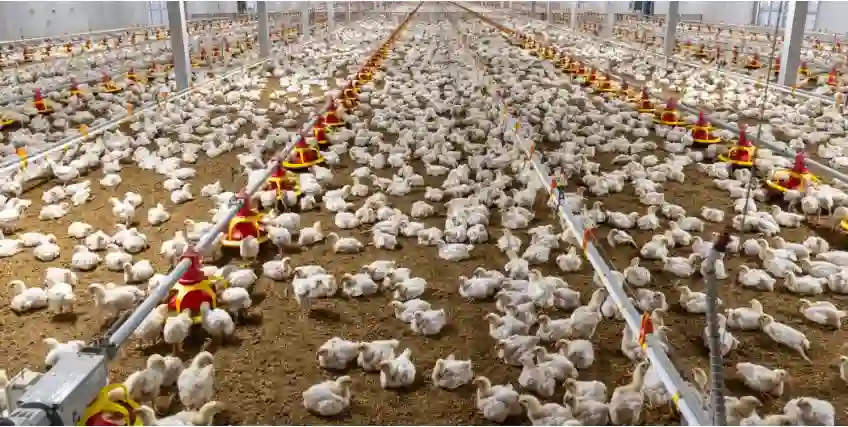
Poultry farming in the United States has become one of the most popular sectors in agriculture. In 2025, the net cash farm income for poultry farmers is projected to reach $227,900, according to the USDA. This is a significant increase from previous years. As a result, this growth is driven by rising demand for poultry products and modern farming operations.
Farm owners need significant capital to run a poultry farm business. They need funds for poultry houses, feed, farm equipment, and labor. Moreover, they need financial support to expand, improve efficiency, and manage cash flow. Poultry farm loans provide a practical solution for this problem. Farmers can seek business loans to invest in their operations while keeping day-to-day costs under control.
In this guide, we’ll explore what poultry farm loans are, why they matter, the types available, and how to qualify for the right financing option.
What Are Poultry Farm Loans?
A poultry farm loan is a financial product designed to support poultry farmers in covering their business expenses. These loans can help fund farming operations, poultry houses, farm equipment, and other operating expenses.
Poultry loans are available from various sources:
- Government agencies, such as USDA and Farm Service Agency (FSA).
- Private lenders, including specialised agri-lenders and farm credit institutions.
- Integrators in the poultry industry that sometimes provide financing for contract farmers.
Poultry farm loans can help both beginning farmers and owners of an existing poultry farm manage growth and expansion. Also, some loans are short-term to handle operating expenses, while others are long-term such as farm ownership loans and real estate loans.
Why Poultry Farm Loans Are Important for Small Businesses
Small poultry farms often face unique challenges when it comes to running a business. They require working capital for new poultry houses, feed, and farm equipment. Moreover, day-to-day operational expenses also fluctuate depending on market conditions.
Hence, poultry business loans help farmers to cover all these costs without draining their cash reserves. Here’s what poultry farm financing can cover:
- Poultry farm loans provide cash flow for daily operations and unforeseen costs.
- Business loans can be used to fund the construction of new poultry houses to expand capacity.
- Funds can be used to cover farm equipment purchases like feeders, drinkers, and ventilation systems.
- These loans can be used for refinancing existing debts at fixed rates to reduce interest expenses.
- Also, poultry business loans support real estate purchases for expansion of land and facilities.
- Loans also help beginning farmers establish their first poultry operation with access to starter capital.
- Poultry farm loans also provide capital to meet regulatory requirements, upgrade biosecurity measures, or modernize poultry houses.
Types of Poultry Farm Loans
Poultry farmers in the U.S. have access to a variety of loan options. However, each financing option serves a different purpose. These depend on the stage of poultry operation, the size of the poultry farm and financial goals.
Therefore, these funding solutions can help business owners manage cash flow, build new poultry houses, and invest in farm equipment much easier. Here are a few options:
1. SBA Loans
SBA loans are backed by the U.S. Small Business Administration and are ideal for poultry farmers looking to expand or modernize their farms. These loans typically come with lower interest rates and longer repayment terms for qualified applicants.
Uses: SBA loans can be used for larger investments, like building new poultry houses or upgrading entire facilities. Also, these loans are a great option for borrowers seeking stability and support from a trusted lender.
2. FSA Loans
The Farm Service Agency (FSA) provides multiple loan programs to support both beginning farmers and experienced poultry farmers. These loans come with competitive rates and are easier to qualify for than many private loans.
Uses: FSA loans can be used as farm operating loans to cover daily operational expenses, purchase feed, or buy farm equipment.
3. Farm Ownership Loans
Farm ownership loans are designed for farmers who are planning to buy land or expand their existing property. These loans are available through both private poultry lenders and the USDA Farm Service Agency.
Uses: Farm ownership loans can be used to buy farmland, construct or renovate poultry houses, or make long-term improvements. Hence, they are a good fit for borrowers who want to grow their farm for the long run.
4. Business Lines of Credit
Business lines of credit are flexible funding options. They offer quick access to funds up to a predetermined credit limit. Business owners can use these funds when they need and pay interest only on the used amount.
Uses: A line of credit can be used as a poultry farm loan for managing seasonal cash flow fluctuations or other ongoing expenses. These loans are best for taking advantage of sudden opportunities.
5. Working Capital Loans
Working capital loans are financing solutions designed to cover immediate costs that keep the farm running smoothly. These loans can come from private poultry lenders, banks, or integrators.
Uses: Working capital loans are typically used for feed, labor, veterinary costs, or small equipment purchases. Hence, their shorter terms make them suitable for recurring operating expenses.
Poultry Farm Loans Eligibility Requirements
Before applying for a poultry farm loan, it’s important to understand the basic eligibility requirements. Lenders and programs like the Farm Service Agency (FSA) and USDA set clear criteria to make sure the borrower can manage the loan responsibly.
Meeting these requirements not only improves your chances of approval but also helps you secure competitive rates and better loan terms.
Here are the most common eligibility factors:
1. Business Experience and Farm History
Lenders usually look for experience in farming operations or the poultry industry.
- Established poultry farmers with a track record of successful production and stable cash flow are often viewed as lower risk.
- Beginning farmers can still qualify, especially through FSA loans, which are designed to support new entrants into agriculture.
2. Financial Stability and Creditworthiness
Strong financial health is key to loan approval.
- Most lenders check credit scores, income statements, and business financial records.
- A steady income and positive cash flow signal that you can handle regular loan payments.
- Even if your credit is limited, some poultry lenders and farm credit programs offer flexible options, especially for new farmers.
3. Farm Ownership or Lease Documentation
Clear proof of farm ownership or a valid lease agreement is usually required.
- This shows the lender that your poultry operation has a stable base.
- If you’re planning to buy land or expand, documents related to the property will also be needed for farm ownership loans or real estate loans.
4. Collateral and Down Payment
Most poultry farm financing programs require some form of security.
- Collateral can include land, poultry houses, farm equipment, or other assets tied to your poultry business loan.
- A down payment is often needed, and the amount varies by loan program. FSA loans may offer lower down payment requirements for qualifying applicants.
5. Business Plan and Loan Purpose
A solid business plan helps lenders understand how the loan amount will be used.
- The plan should cover production goals, operating expenses, expected cash flow, and repayment strategies.
- Clear loan purpose, such as building new poultry houses, purchasing equipment, or expanding your poultry operation increases approval chances.
6. Compliance with USDA and Local Regulations
Many loan programs, especially FSA and USDA backed ones, require farms to comply with relevant environmental, zoning, and biosecurity standards.
- Compliance builds trust with the lender and shows long-term commitment to sustainable farming.
- It also reduces delays during the application process.
Understanding these requirements ahead of time gives you a head start. Gathering the right documents, improving your credit, and preparing a strong loan application can make the entire process smoother.
Pro Tip: Speaking with a loan officer or agricultural lender can help clarify any farm-specific eligibility requirements.
The Bottom Line
Poultry farm loans are essential for small poultry farmers in the U.S. They provide financial support for new poultry houses, farm equipment, and everyday operating expenses. By understanding eligibility, choosing the right lender, and using funds wisely, poultry farmers can expand operations, improve cash flow, and strengthen their position in the poultry industry.
Explore online poultry farm loan options today, to find financing that fits your business needs. You can also consult a loan officer or trusted poultry lender to find the best financing solution for your poultry operation.
FAQs About Poultry Farm Loans
1. What are poultry farm loans?
Poultry farm loans are financing solutions designed to help poultry farmers start, expand, or sustain their poultry operations. These loans can be used to build poultry houses, buy farm equipment, improve cash flow, or refinance existing debt. Both private lenders and government-backed programs like FSA loans offer these options.
2. How do I apply for a poultry farm loan?
You can apply through banks, farm credit institutions, poultry lenders, or the USDA Farm Service Agency. The loan application process usually involves submitting business plans, financial records, and farm details. Many lenders offer online applications, which can simplify and speed up the loan process.
3. What types of poultry farm loans are available?
Common options include SBA loans, FSA loans, Farm Ownership Loans, business loans, lines of credit, working capital loans, and refinancing loans. Each loan type serves different needs, such as building new poultry houses, purchasing equipment, covering operating expenses, or buying farmland.
4. Do I need a down payment to qualify for poultry farm financing?
Most poultry farm loan programs require a down payment, though the amount varies by lender and loan type. Some FSA loan programs offer more flexible terms, especially for beginning farmers or those with limited credit history.
5. Can I refinance an existing poultry farm loan?
Many existing poultry farms choose to refinance to secure competitive rates, lower monthly loan payments, or extend repayment terms. Refinancing can also help consolidate multiple loans into one, making financial management easier.
Frequent searches leading to this page

Related Articles

Term Loans are made by Itria Ventures LLC or Cross River Bank, Member FDIC. This is not a deposit product. California residents: Itria Ventures LLC is licensed by the Department of Financial Protection and Innovation. Loans are made or arranged pursuant to California Financing Law License # 60DBO-35839